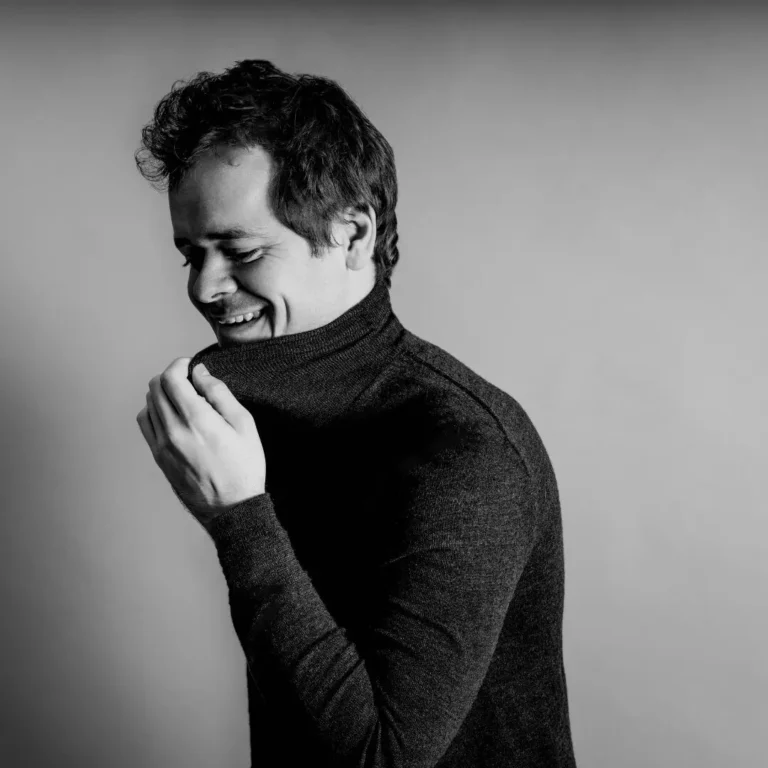
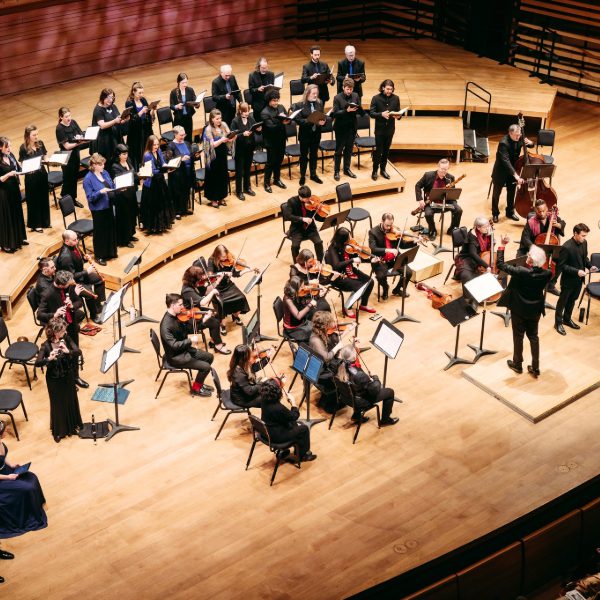
Benjamin Grosvenor, magicien du piano, interprétera l’éblouissant Concerto en sol de Ravel. Au centre de cette partition d’un irrésistible dynamisme, le compositeur dévoile pudiquement sa sensibilité par le biais d’une mélopée d’une extrême douceur. L’ambiance plus tumultueuse de la Symphonie no 6 de Vaughan Williams offrira un contraste frappant. Puissante, entrecoupée de passages introspectifs, l’œuvre est attisée par des tensions permanentes qui s’estompent dans les sonorités quasi immatérielles du final.
Benjamin Grosvenor, a magician of the piano, will perform Ravel’s mesmerizing Concerto in G. In the middle movement of this irrepressibly vibrant work, the composer reveals his deep sensitivity in an ethereal melody of the utmost tenderness. The more turbulent mood of Vaughan Williams’ Symphony no. 6 offers a striking contrast: forceful, though interspersed with introspective passages, this work is powered by an ongoing tension that dissolves into virtual immateriality in the finale.
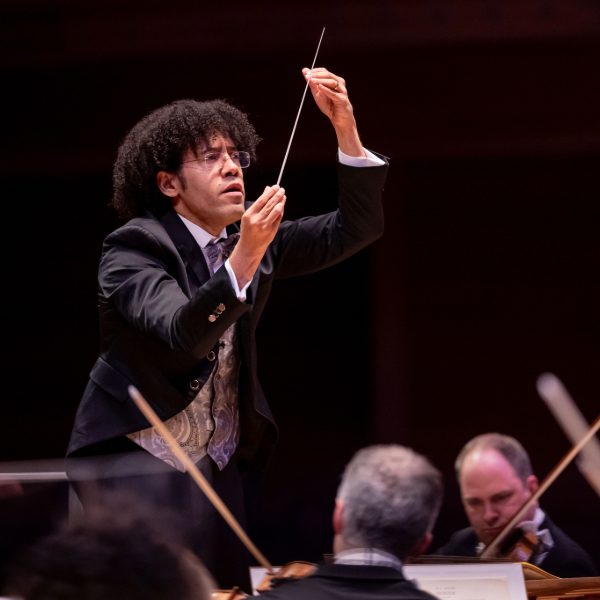
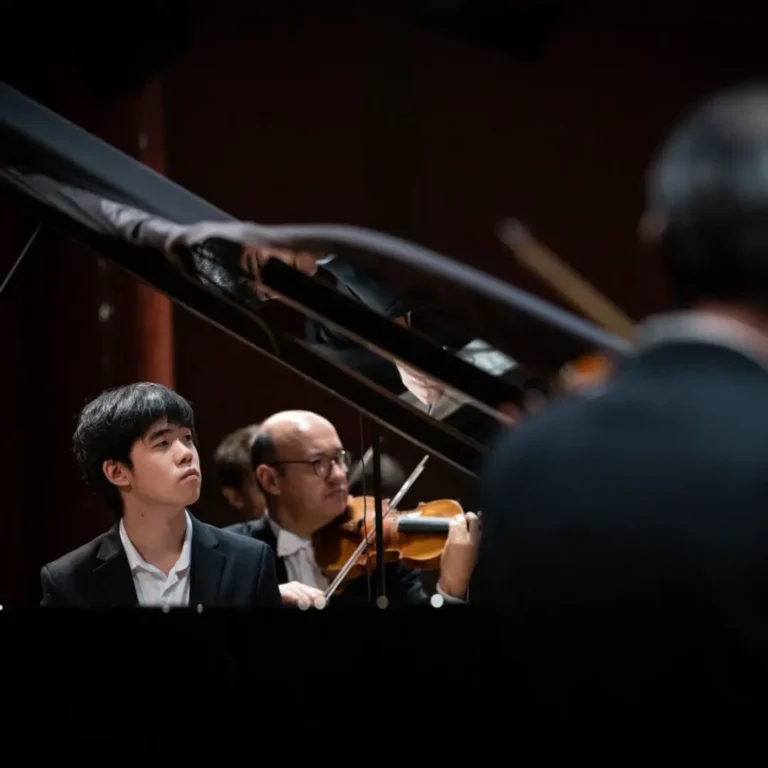
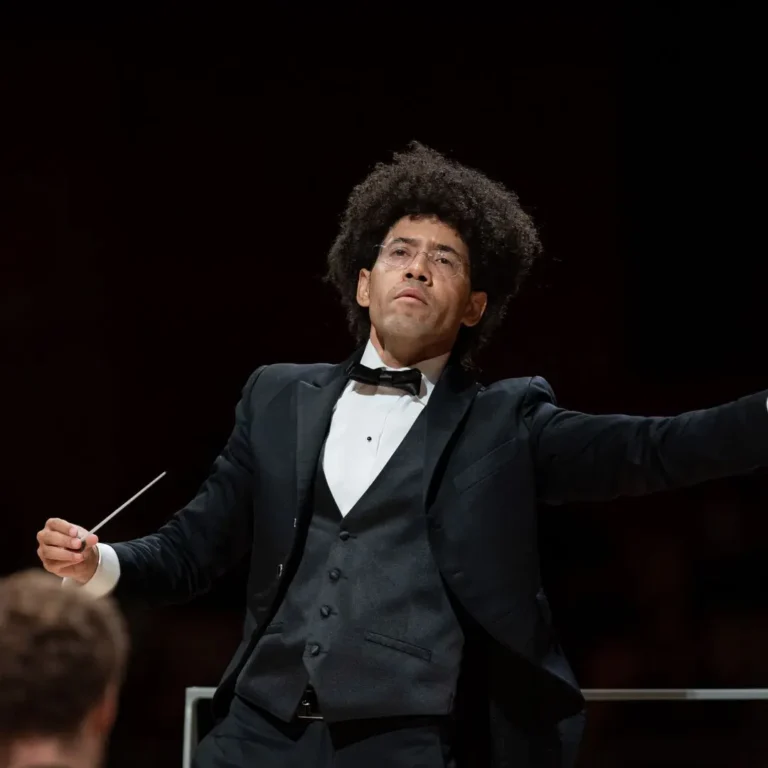
Less than twelve hours after performing a concert version of Mozart’s opera Cosi fan tutte as part of the festival of the same name, the Orchestre Symphonique de Montréal (OSM) and Rafael Payare presented two of the composer’s last works: Piano Concerto No. 27, with Kevin Chen as soloist, and Symphony No. 41, known as the “Jupiter” Symphony.
From the very first movement of the Concerto, we sense that everything will be in finesse, even before the soloist enters. At this point, our impression is confirmed; the fingers almost float over the keyboard. A real dialogue is established between Chen and the orchestra, with whom he constantly makes eye contact. The second movement is a gentle delight that takes us elsewhere, into a plaintive, restful, almost meditative world. This excerpt, full of emotion where the notes held never die, would certainly have been the subject of a replay on a digital application.
The “Jupiter” symphony that follows follows in the same vein as the Concerto, i.e., everything is lively, lilting, rhythmic, but light-hearted. All the more so since “one of the themes of the first movement is a bass aria written for an opera by Anfossi”. There’s something lyrical about this first movement.
The third movement could have been more dance-like, in keeping with the minuet tradition. Marked Menuetto : Allegretto, it tended more towards the second part of its surtitle, with a little more gallantry than usual.
The exclamation point of this symphony is undoubtedly the final movement. Indeed, Mozart’s final symphonic page is a jewel of contrapuntal writing, with no fewer than 5 (!) themes continuing uninterruptedly. It’s a compositional tour de force, but also a challenge for the conductor, who has to balance the sound so that the whole doesn’t become a jumble, which Payare succeeds in doing brilliantly. Constantly on his toes, he keeps everything under control. He even does the long reprise, like Labadie and Nagano’s previous versions, but which is not fashionable on disc. The timpani, hidden on the right, punctuates the phrases and ends of the sections, and provides the energy for the various climaxes. A quick note to say that the concert opened with pianist Chen’s solo performance of the Fantasy in C minor K. 475. This sombre but beautiful piece had more the air of a salon piece. Not because of the interpretation, quite the contrary, but because of the slight uproar caused by the admission to the hall of the dozens of latecomers who had arrived by bus for this school morning. No doubt listening to the same concert in the evening would have been different. But there was something beautiful about seeing and hearing the OSM’s “regulars” repeatedly questioning and taking an interest in these young people from all over, some wearing a piece of clothing bearing the effigy of their music program.
OSM : La majestueuse symphonie «Jupiter» de Mozart
by Rédaction PAN M 360
Le Concerto pour piano no 27 est l’aboutissement d’une forme développée par Mozart tout au long de sa carrière de pianiste et de compositeur, à travers laquelle il a exprimé ses sentiments et ses aspirations les plus intimes. Quant à la symphonie « Jupiter », elle brille par son caractère majestueux et ses proportions harmonieuses. Dans les deux œuvres, le rôle accordé aux instruments à vent enrichit les couleurs de l’orchestre en y apportant une teinte satinée.
Mozart’s Piano Concerto no. 27 marks the apex of a form the composer cultivated throughout his entire career and through which he expressed his innermost feelings and aspirations, while the Jupiter Symphony radiates majesty and great harmonic breadth. In both works, the prominence of wind instruments enhances the orchestral colours, lending them a characteristic shine.
OSM : Così fan tutte de Mozart: le dangereux jeu de l’amour
by Rédaction PAN M 360
Fruit d’une étroite collaboration entre un compositeur de génie, Mozart, et un librettiste perspicace, da Ponte, Così fan tutte est une étude sur la nature humaine et les conventions sociales menée avec un humour souvent acéré. L’intrigue, riche en rebondissements, est soutenue par une musique radieuse et raffinée. Spécialiste de Mozart, le célèbre baryton Thomas Hampson prêtera sa voix somptueuse à Don Alfonso et assurera la mise en espace de ce magnifique opéra.
Così fan tutte results from the close collaboration between Mozart the compositional mastermind, and da Ponte the shrewd librettist. The opera is a study of human nature and social conventions that often embraces caustic humour. Its somewhat manic plot is heightened by the composer’s captivating and sophisticated score. Mozart specialist and renowned baritone Thomas Hampson will lend his sumptuous voice to the role of Don Alfonso, as well as direct the staging for this magnificent opera.
L’intensité dramatique et la sincérité des sentiments exprimés par Mozart dans son Requiem contribuent à la fascination que cette œuvre continue d’exercer plus de 200 ans après sa composition. La thématique de la mort est également abordée par Bach avec humanité, et le climat contemplatif du motet Jesu, meine Freude offre une vision sereine de l’au-delà. Le génie de Bach et de Mozart sera magnifié par l’Orchestre et le Chœur de l’OSM.
The dramatic intensity and emotional candour expressed in Mozart’s Requiem contribute to the fascination this work continues to arouse more than 200 years after it was written. Bach similarly approaches the theme of death through an aura of contemplative humanism in the motet Jesu, meine Freude, in which a serene vision of the afterlife is offered. The genius of both Bach and Mozart will be celebrated by the Orchestra and the OSM Chorus.
Festival International de Jazz de Montréal : Chris Botti à la Maison symphonique
by Rédaction PAN M 360
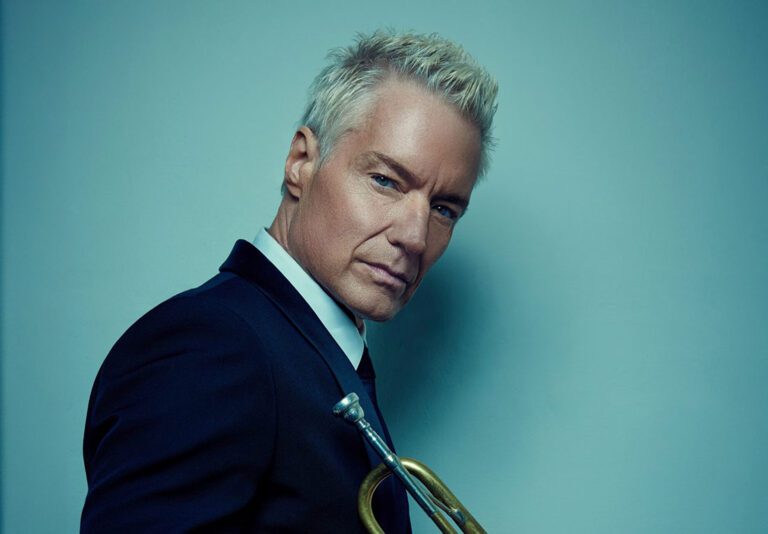
Le trompettiste Chris Botti, lauréat d’un GRAMMY, est l’un des instrumentistes les plus populaires au monde depuis près de trente ans. Il a collaboré avec certaines des plus grandes stars de la planète, notamment Sting, Paul Simon, Barbra Streisand, Lady Gaga, Tony Bennett, Frank Sinatra, Aretha Franklin, Bette Midler, Joni Mitchell, Steven Tyler, Andrea Bocelli, Herbie Hancock, Yo-Yo Ma, et bien d’autres encore. Il a été en tête des hit-parades de jazz avec de nombreux albums, a obtenu plusieurs disques d’or et de platine, s’est produit avec des orchestres symphoniques et sur des scènes prestigieuses, du Carnegie Hall au Hollywood Bowl en passant par l’opéra de Sydney. En bref, Chris Botti n’a plus besoin d’être présenté. Pourtant, avec son premier album chez Blue Note Records, il nous en offre tout de même une. Vol.1 est à bien des égards un nouveau départ pour le trompettiste. Après être passé avec succès de la renommée du jazz à la célébrité de la pop, le premier album de Botti en plus de dix ans le voit revenir en arrière, avec un projet de petit groupe axé sur le jazz acoustique et les standards classiques.
GRAMMY-winning trumpeter Chris Botti has been one of the most popular instrumentalists in the world for nearly three decades. He’s collaborated with some of the biggest superstars on the planet, including Sting, Paul Simon, Barbra Streisand, Lady Gaga, Tony Bennett, Frank Sinatra, Aretha Franklin, Bette Midler, Joni Mitchell, Steven Tyler, Andrea Bocelli, Herbie Hancock, Yo-Yo Ma, and others. He’s topped the jazz charts with numerous albums, earned multiple Gold and Platinum records, performed with symphony orchestras and on prestigious stages from Carnegie Hall to the Hollywood Bowl to the Sydney Opera House. In short, Chris Botti really needs no introduction. Yet with his Blue Note Records debut, he’s offering one anyway. Vol.1 is in many ways a fresh start for the trumpeter. Having successfully crossed over from jazz renown to pop stardom, Botti’s first album in more than a decade finds him crossing back, with a small group project focused on acoustic jazz and classic standards.
Sacré Gilles Vigneault | Between Natashquan and Buenos Aires
by Judith Hamel
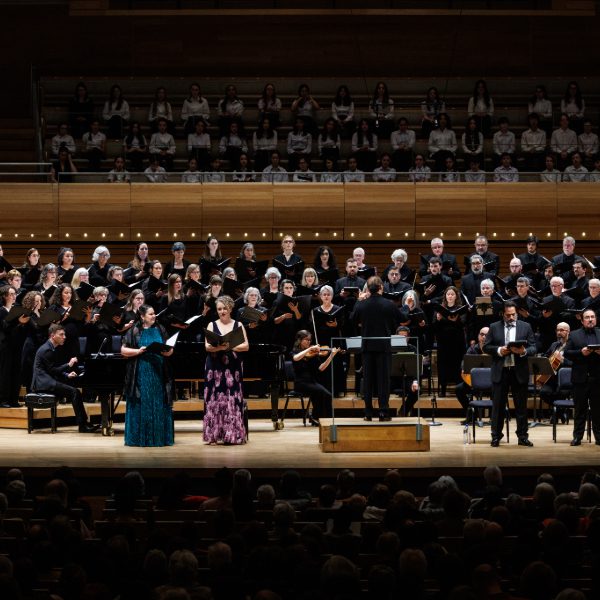
Sacred music sometimes tells us more than the catechism. It brings us together, it uplifts us, it reminds us that we are here, together. This Saturday evening, the Chœur Métropolitain invites us to a double mass at the crossroads of the Americas. A meeting of the Argentinian and Quebecois peoples, these Masses bring the rhythms of everyday life to life, blending European traditions with local folklore.
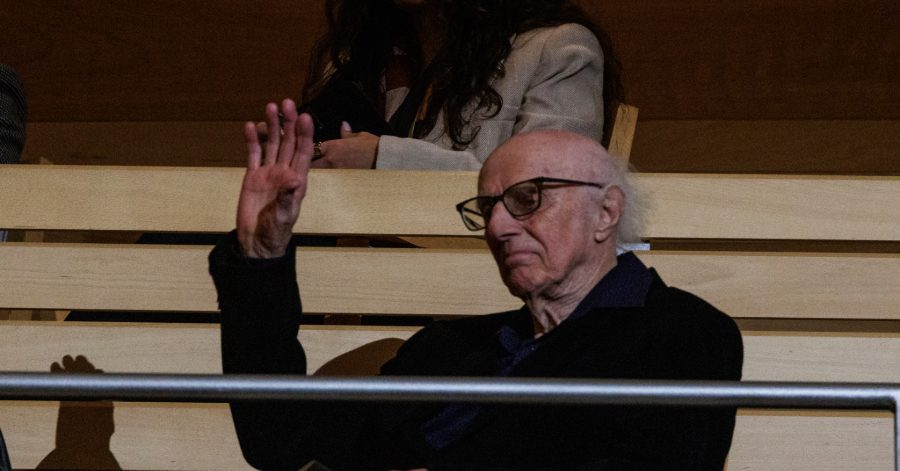
But the real star of the evening was Gilles Vigneault. A charming old lady sitting beside me whispered in my ear: “Monsieur Vigneault is here! People in the front, in the back, turn around and pull out their phones to capture the presence of this legend. Even before the first note rings out in the Maison symphonique, an ovation rises to salute this great man who forged the Quebec nation.
The first part of the concert was devoted to Argentina, through the music of four of its composers: Carlos Guastavino, Astor Piazzolla, Juan de Dios Filiberto and Ariel Ramírez.
The concert opens on a note of wonder and contemplation, with Carlos Guastavino’s Indianas. His charming melodies sing to us of the apple through love lyrics and nature metaphors. In Astor Piazzolla’s Oblivion, a work originally written for bandoneon, the arrangement for choir and solo voice with soprano Myriam Leblanc bewitched us from the very first note with its pure, colorful timbre. This melancholy version makes the work’s theme of forgetting resonate like sweet nostalgia. With Caminito de Juan de Dios Filiberto, the dynamic changes. This light-hearted song, rooted in the tango tradition, adds a lively, convivial touch to the concert.
Finally, before the Quebec mass, Ariel Ramírez’s Misa Criolla concludes the first part. Like Gilles Vigneault with his native land of Natashquan, Ramírez explores the mix of cultures, between Indigenous roots and European heritages. The work surprises with rhythmic dance sections alternating with lyrical passages. Soloists Antonio Figueroa (tenor) and Emanuel Lebel (baritone) complemented each other beautifully. This lively mass, rooted in local traditions, deserves to be heard again and again.
Like Ramirez, Vigneault weaves the threads of people who are both Indigenous and European in this mass that evokes our northern winds and the prayers of ordinary people. Presented in its world premiere, this new arrangement of the High Mass by Sebastian Verdugo takes on a light, colorful form, where the textures of the choir mingle with those of guitars, charango, piano, double bass, violin and percussion. While most of the mass retains a traditional structure and texts, some tunes are transformed into rigodon accompanied by spoons and folk guitar, which pleasantly surprises listeners.
Rooted in Vigneault’s memory of Natashquan, the first and last part includes lyrics in Innu: “Shash anameshikanù. Matshik! Ituték! Minuatukushùl etaiék.” (Now that the Mass is said, Go live in peace on earth).
Finally, after waiting patiently for their moment, the Vincent-d’Indy choristers joined the musicians for the final songs of the concert. Under the sensitive arrangements of François O. Ouimet, several emblematic Gilles Vigneault songs were performed, ending, of course, with Gens du pays. With their eyes riveted on Vigneault, the entire audience stood to sing him our anthem, which is celebrating its 50th anniversary this year, as is the Alliance chorale du Québec. It was a touching moment in which we felt the love of a people for our Quebec, but above all for the man who gave birth to the hymn we all know so well.
Festival International de Jazz de Montréal : Jazz at Lincoln Center Orchestra with Wynton Marsalis à la Maison symphonique
by Rédaction PAN M 360
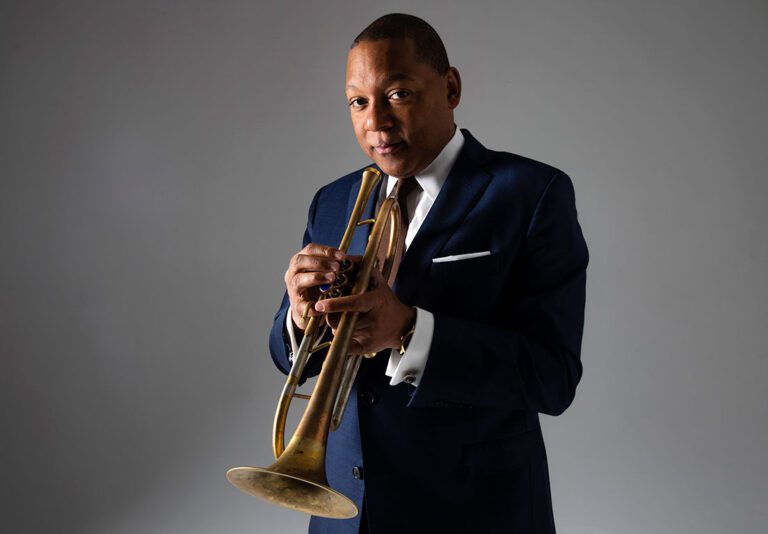
Orchestre de Jazz new-yorkais de renommée mondiale résident du Jazz at Lincoln Center depuis 1988 et composé de 15 des meilleurs solistes et ensembles de jazz actuels, le JLCO est un habitué du Festival. Il interprète un vaste répertoire allant de compositions historiques rares à des œuvres originales, sous la direction générale et artistique de Wynton Marsalis, une des plus grandes figures du jazz encore actives aujourd’hui.
The world-renowned group from New York City, based at the Lincoln Center since 1988 and featuring 15 of today’s finest jazz soloists and ensembles, the Jazz at Lincoln Center Orchestra is a Festival regular. The JLCO performs a vast repertoire, ranging from rare historical compositions to original works, under the general and artistic direction of Wynton Marsalis, one of the greatest jazz figures still active today.
LES BILLETS POUR CE SPECTACLE SONT ÉPUISÉS!
Ce contenu provient du Festival International de Jazz de Montréal et est adapté par PAN M 360
Just two weeks away, Ensemble Caprice and Matthias Maute prelude the Easter celebrations with a presentation of Johann Sebastian Bach’s St. John Passion. In his opening address, Maute recounts that this work has many links, especially in the arias, with the art of opera. As he told us earlier in the interview, “The St. John Passion alternates recitative, arias and choruses to carry the story with intensity. The recitatives tell the story, the arias express the emotions of the characters, and the choruses embody the crowd, reinforcing the drama. The orchestra supports the whole with expressive writing that underlines the key moments.” The proof was shown on Friday.
In the absence of staging, characteristic of the oratorio, a narrator – in this case, the Evangelist – is needed to describe the scenes. Supporting the entire work on his shoulders, tenor Philippe Gagné rises to the challenge of interpreting this thankless but oh-so-important role. His intention to really tell a story is clear, with impeccable German diction, and he lets the textual phrases dictate his interpretation, rather than following the score, placing absolute trust in the continuo.
The other discovery of the evening was chorister-soloist William Kraushaar – whose composition had captivated us at the last Caprice concert – in the role of Jesus. Not only is his voice clear, but God, it carries! We’re already looking forward to hearing him as a soloist next season. Countertenor Nicholas Burns and soprano Janelle Lucyk deliver their arias with great emotion. Burns is very moving in duet with the mournful viola da gamba in Es ist vollbracht (“All is finished”). As for Lucyk, her voice is somewhat restrained, but blends well with the flutes in the aria Ich folge dir gleichfalls (“I follow you”). These two soloists not only deliver their arias with musicality, but also with a spellbinding, moving stage presence.
The chorus is very well prepared, and the dry articulations given to it fit well with the role it occupies, that of the plebeian ordering and cheering the action of the biblical tale. The best example is the track “Kreuzige” (Cruxify it!), where the short, accented articulations are incisive.
At the very end of the work, there was something solemn about seeing the soloists (except for John the Evangelist) join the chorus in a dancing Rut Wohl, and the final chorale, in accompaniment, thanksgiving and celebration of Christ’s life.
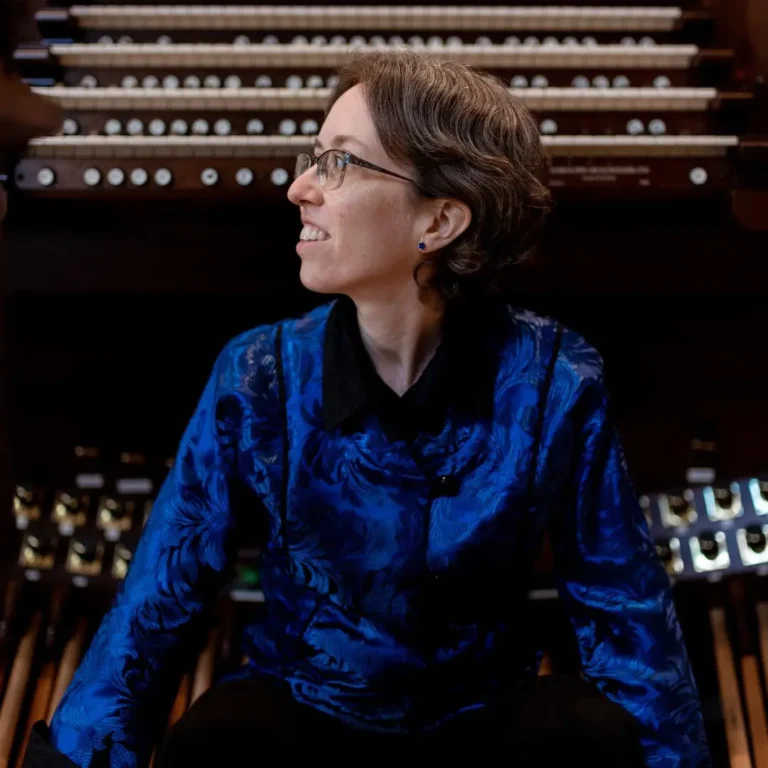
Virtuose accomplie, Isabelle Demers séduit le public par le dynamisme de son jeu et l’originalité de ses programmes. Lors de ce concert, elle transformera le Grand Orgue Pierre-Béique en un somptueux orchestre, dévoilant tous ses atouts dans les transcriptions d’œuvres de Rimski-Korsakov et de Stravinsky.
Consummate virtuosa Isabelle Demers charms audiences with her dynamic playing and original programs. In this concert, she transforms the Grand Orgue Pierre-Béique into an opulent orchestra, bringing out its many facets in transcriptions of works by Rimsky-Korsakov and Stravinsky.
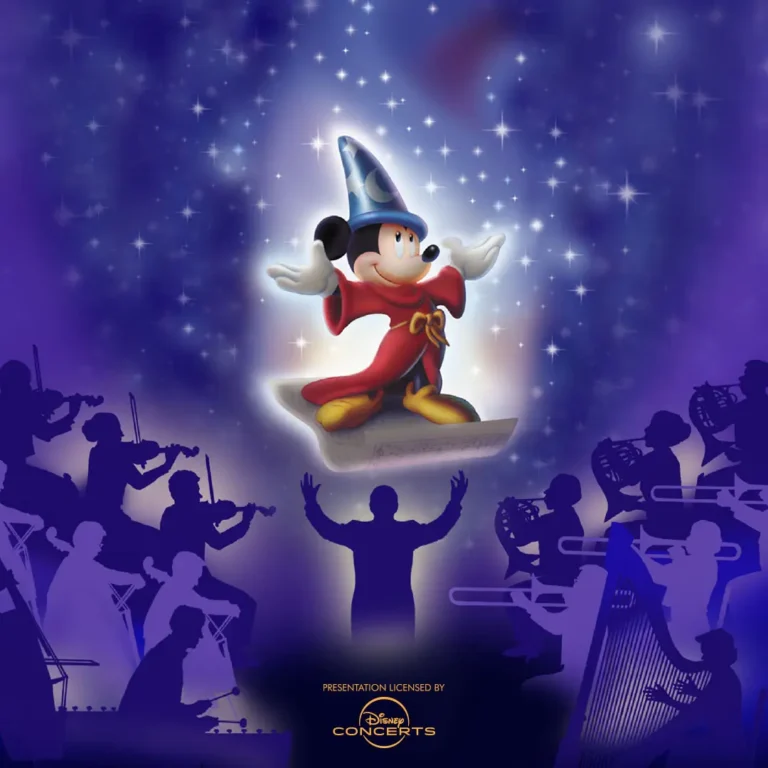
Vivez la magie de Disney avec l’OSM et Fantasia, un des plus spectaculaires films d’animation jamais réalisés. Féériques, cocasses ou fantastiques, les images fusionnent avec la musique de Beethoven, Stravinsky, Dukas et bien d’autres afin de vous faire découvrir l’univers fantastique de la musique classique.
Experience the magic of Disney with the OSM and Fantasia, one of the most spectacular animated films ever made. Enchanting, comical and fanciful, its images dovetail with music by Beethoven, Stravinsky, Dukas, and many others in this journey through the enthralling world of classical music.
OSM : Symphonie «Pastorale» et la mythologie de Glass
by Rédaction PAN M 360
Glass s’inspire de poèmes africains pour composer Ifé, et Beethoven fait part de ses sensations lors d’une promenade à la campagne. De la mythologie du Bénin, célébrée par la chanteuse Angélique Kidjo, à la nature bucolique représentée dans la symphonie « Pastorale », vivez un délicieux moment d’évasion!
Glass drew inspiration from African poems to compose Ifé, while Beethoven conveyed his impressions as he strolled through the German countryside. From the legends of Benin, celebrated by singer Angélique Kidjo, to the rustic landscapes unfolding in the “Pastoral” Symphony, join us for a delightful moment of escape!
Ce contenu provient de l’Orchestre symphonique de Montréal et est adapté par PAN M 360
Subscribe to our newsletter
Gérez votre confidentialité
Nous utilisons des technologies telles que les cookies pour stocker et/ou accéder aux informations des appareils. Nous le faisons pour améliorer l’expérience de navigation et pour afficher des publicités (non-) personnalisées. Consentir à ces technologies nous permettra de traiter des données telles que le comportement de navigation ou les ID uniques sur ce site. Le fait de ne pas consentir ou de retirer son consentement peut avoir un effet négatif sur certaines fonctionnalités et fonctions.
Functional
Always active
The technical storage or access is strictly necessary for the legitimate purpose of enabling the use of a specific service explicitly requested by the subscriber or user, or for the sole purpose of carrying out the transmission of a communication over an electronic communications network.
Preferences
The technical storage or access is necessary for the legitimate purpose of storing preferences that are not requested by the subscriber or user.
Statistics
The technical storage or access that is used exclusively for statistical purposes.The technical storage or access that is used exclusively for anonymous statistical purposes. Without a subpoena, voluntary compliance on the part of your Internet Service Provider, or additional records from a third party, information stored or retrieved for this purpose alone cannot usually be used to identify you.
Marketing
The technical storage or access is required to create user profiles to send advertising, or to track the user on a website or across several websites for similar marketing purposes.