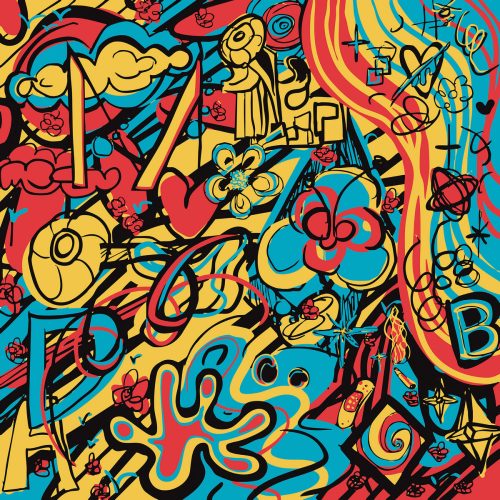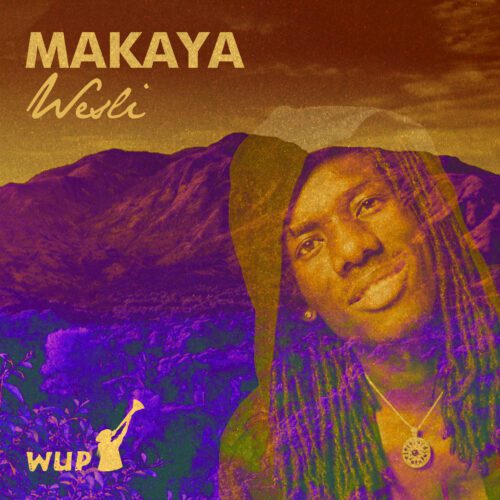
Nowadays, few artists include 24 tracks on their albums. Wesli is not like other artists. He stands out in many ways, but mainly through his ability to take risks and integrate several styles of traditional Haitian music with sounds ranging from Afrobeat to blues, zouk, and soukous, to name but a few.
In Makaya, which means “leaf” in Kikongo, but which mainly refers to a mountain range in Haiti, Wesli pays tribute to the first Maroons, those figures of freedom who led the struggle for independence, and to African traditions inspired by the Igbo, Congo, Alada, Nago, Yoruba, and Dahomey peoples.
We feel as though we are sailing between Africa and Haiti, through Creole and Yoruba songs, Yanvalou, Nago, and Congo rhythms, sometimes incorporating a Fulani flute played by Burkinabe Lasso Sanou, recognizable from the very first notes. He even takes us to Reunion Island with “Maloya Yanvalou,” introducing us to rhythms from faraway places.
Several artists have joined this ambitious project, starting with Afrotronix. This album is representative of the strong friendship between these two artists. Together, they are changing narratives by being avant-garde on every level. In addition, Tamara Suffren, BIC Tizon Dife, and Sika Valmé have each contributed to the rich sound of this opus. My favorite track remains “Soul Train,” featuring Meryem Saci and Ilam, which is a musical journey in itself. At 7 minutes and 30 seconds long, you have time to be blown away by Meryem’s rap, while being seduced by Ilam’s voice, with the added bonus of Lasso’s captivating flute. We are transported to several different worlds at once, but they all seem to fit in well with Wesli’s.
He also flirts with electro in the tracks “Nago Elektro” and “Maloya Yanvalou,” while incorporating Afrobeat into “Rebel Union” and Haitian troubadour music into “Chacha,” “Makonay,” and “Lanmou nou.” In short, this is an album that returns to African roots but attempts to fuse them with ancestral and spiritual Haitian rhythms and modern sounds.
Resilience, immigration, and the strength of Haitian women are among the themes explored in this album, while Wesli’s talent as a guitarist is showcased through both his electric and acoustic guitar playing.
Ultimately, long albums have something extra: they allow us to immerse ourselves even longer in the artist’s universe, as they take the time to reveal all their facets without being limited by time. Makaya may be Wesli’s seventh album, but it is probably his most complete and daring.