Clearly, Marie Davidson & L’ Œil nu have their work cut out for them, in deconstructing and rebuilding their vision of a brand image built in the clubs and festivals of the electro world, where they’ve been triumphant the past few years. Some people seem to be confused or completely stunned by Renegade Breakdown, a conceptual explosion from the Montrealer and her accomplices, towards French pop, Black American disco-funk, English electro-pop, German krautrock, Canterbury-school space-rock, jazz and more. Would it be hard to understand why the singer and her colleagues consciously evacuate most of the technoid and housy foundations from their previous propositions? For some, it seems obvious to admit (and to appreciate), while for others, perplexity or even disapproval can be observed. Yet isn’t pop, even the most audacious, the constitution of a stylistic cluster whose cement is none other than the singer-songwriter at the center of the project? In the case at hand, there’s also a second degree underlying the whole of Renegade Breakdown, perhaps imperceptible. It should also be remembered that several stylistic elements of this art-pop album were perfectly identifiable materials in the earlier works of Davidson, and in the tandem Essaie Pas that she forms with Pierre Guerineau, also involved in this project, as is multi-instrumentalist Asaël R. Robitaille. What’s more, the poetic exploitation of the themes of vulnerability, disenchantment, and inner misery creates an interesting contrast with this meta-pop that’s never entirely assembled according to the established rules. It’s difficult to predict the fate of this very interesting recording, whose message doesn’t go everywhere it should normally go. Nice card shuffling!
Latest 360 Content
Interview Classical/classique
Esteban la Rotta: Back to the Ancient Origins of the Lute
By Frédéric Cardin

Interview Jazz
We’re talking with John Sweenie about Mysticism for Intellectuals, an album that will make the “Best of” list for 2026.
By Frédéric Cardin
Interview Classical/classique
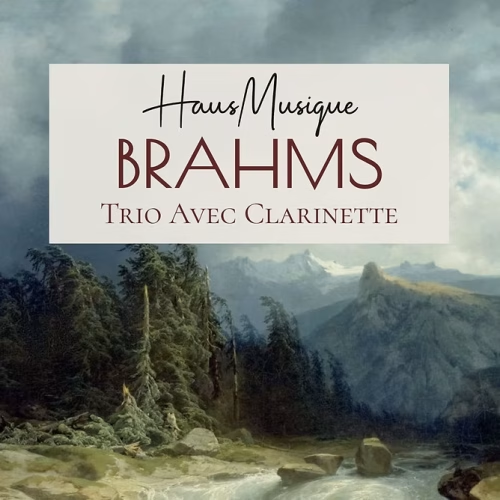
Beethoven and Brahms: First and Last Flames of Musical Passion on the 9th Floor
By Frédéric Cardin
Concert review Classical/classique/danse
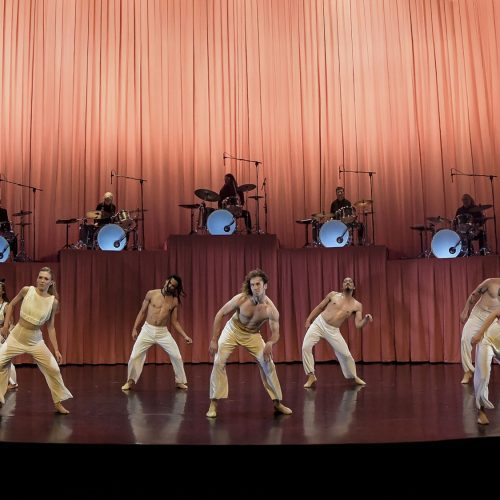
Stephanie Lake Company: Symbiosis of Strike and Movement
By Frédéric Cardin
Concert review Western European/latino/Pop/Rock
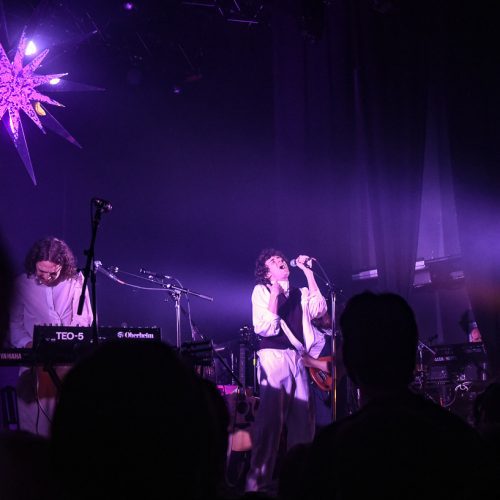
Maruja Limón, Weapon of Mass Construction!
By Alain Brunet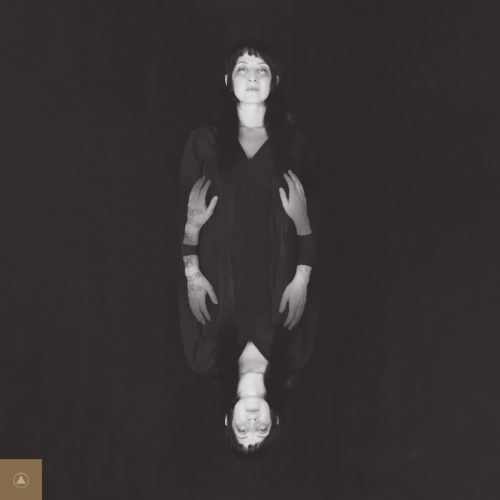

Concert review Jazz
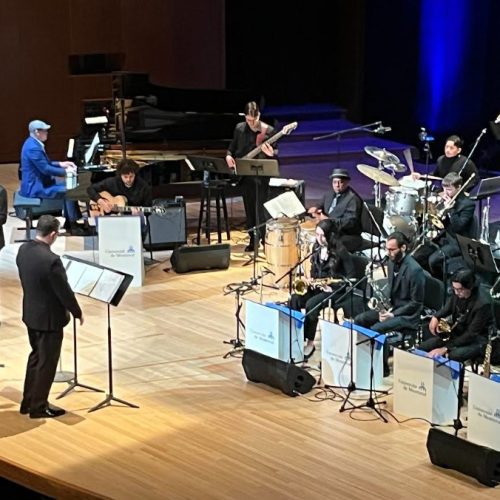
Hilario Durán and The UdeM Big Band: Caliente at Claude-Champagne Hall!
By Michel Labrecque


Interview Reggae
David Cairol and Taïro Unveil “Ticket pour Mars”, A Socially Conscious Reggae Single
By Sandra Gasana
Album review Classical/classique 2026
Esteban La Rotta – Orbus Ille Germanus : L’art du luth allemand au XVe siècle
By Frédéric Cardin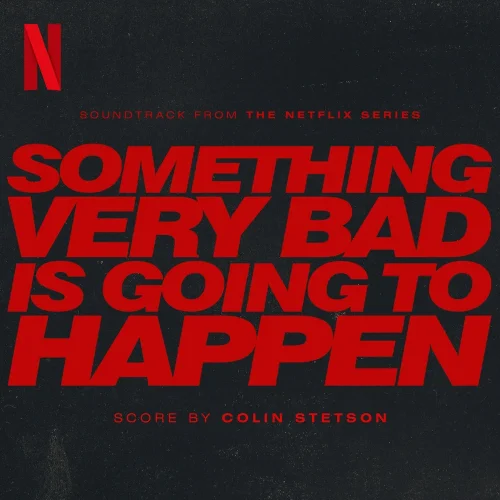
Album review Electronic/Classical/classique/expérimental / contemporain/musique de film 2026
Colin Stetson – Something Very Bad Is Going to Happen
By Frédéric Cardin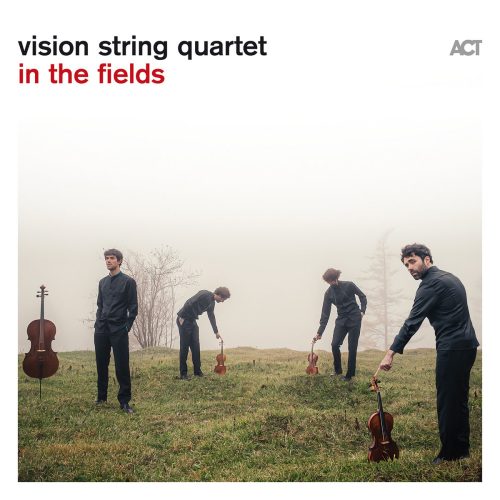
Album review Classical/classique 2026
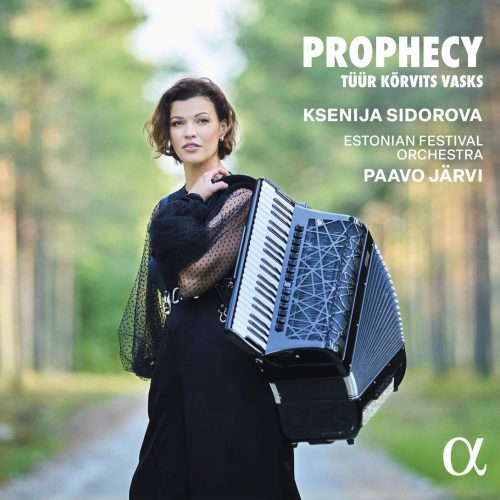
Ksenija Sidorova – Prophecy : Tüür, Kõrvits, Vasks
By Frédéric Cardin
Album review Dark Trance/Psytrance/Electronic 2026
Mirror Me – When Voodoo Hoodoo Meets Mirror Me
By Frédéric Cardin