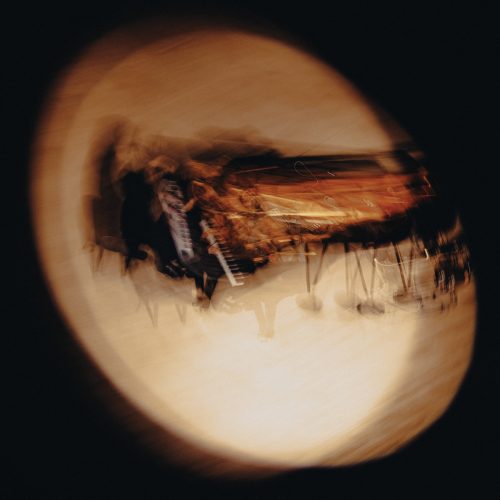
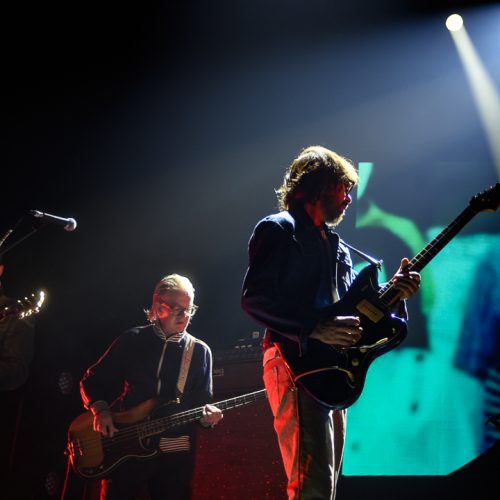
This is the second Stone Temple Pilots album with singer Jeff Gutt, who replaced Chester Bennington (who died in 2017), who himself had replaced Scott Weiland (fired from the band in 2013, and died two years later). Gutt’s voice bears an uncanny resemblance to Weiland’s, which won’t displease longstanding fans of the California-based alternative rock band. It should be remembered that two decades ago, Stone Temple Pilots delivered the grunge monument Core (1992), which included the ubiquitous hit “Plush”. Perdida is a Spanish word meaning “lost”. It seems that it’s also the best term to describe the reaction of some fans to this all-acoustic album, made up of ten new songs. In fact, this rather folk-isheighth studio offering is not bad. It’s pretty and cleverly crafted. Arrangements for violin, cello, saxophone, guitar and flute adorn the tunes here, which is simply light years away from previous productions. Perdida isn’t great, for all that. Halfway through this melancholy spread, you can sense that the guys have run out of juice. Jeff Gutt sings well, but he doesn’t bring anything singular to this project, so that Stone Temple Pilots might claim with full confidence to have found an alternative to the grunge-rock ambiences of “Creep”, “Vasoline” or “Interstate Love Song”, sung at the time by Weiland. Of course, some people want nothing to do with comparisons to the late Weiland. Especially the band members. Yet it’s hard to do otherwise. One thing’s for sure, the band deserves a star for its boldness. Maybe it’s also a message to their fans: in 2020, these guys are somewhere else.
Latest 360 Content

Interview Classical/classique
Guillaume Côté’s A Midsummer Night’s Dreams: the choreographer talks about his intimate relationship with music
By Frédéric Cardin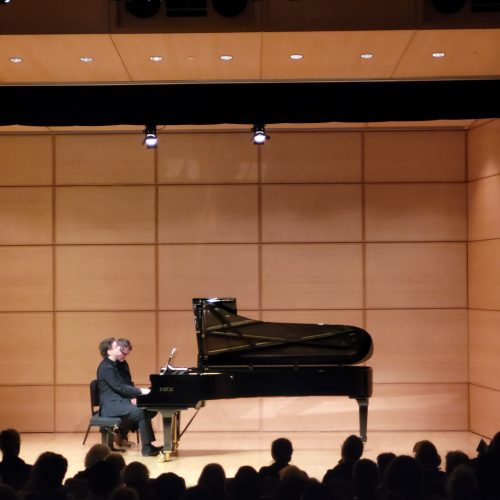
Concert review classique/Classical
SQMC/Chapelle Historique du Bon Pasteur: Discovering Quebec’s contemporary music
By Pietro Freiburger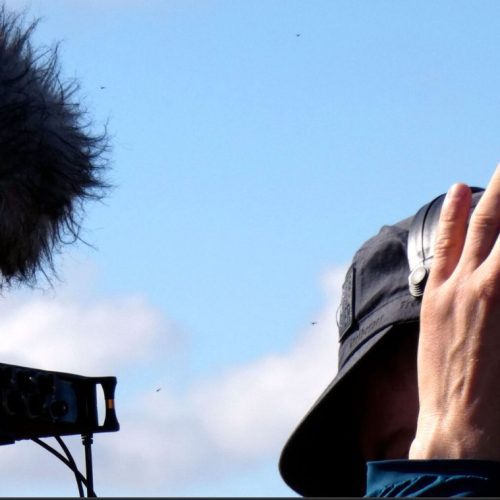
Interview
Akousma| Felix Deufel introduces us to the uncharted sonic richness of the Arctic
By Michel Rondeau
Interview Classical/classique/Electronic
Akousma | Les Artefacts sonores de Roxanne Turcotte
By Alexandre Villemaire
Interview Electronic/expérimental / contemporain
Akousma | The Audréanne Filion and Myriam Bleau Duo: Where Reality and the Virtual Merge
By Michel Rondeau
Interview Electronic/expérimental / contemporain
Akousma | Exzald S, la violence du calme
By Alain Brunet
Concert review Caribbean
Mois du Créole 2026 | Richy Jay: Keeping Konpa and Zouk Alive in Montreal
By Juliana Cortes
Interview arts numériques/Classical/classique/Électronique
Akousma | Melanie Zhou: Shaping Sound, Expressing Emotion
By Alexandre Villemaire
Interview arts numériques/Classical/classique/Électronique
Akousma | Alex Brisson et l’exploration musicale du feedback
By Alexandre Villemaire
Concert review Classical/classique
Caprice at the 9th Floor: a pleasant meeting between Baroque and Carnatic music
By Frédéric Cardin


Concert review Classical/classique
Arion: Cinderella has fun and unleashes her magic
By Frédéric Cardin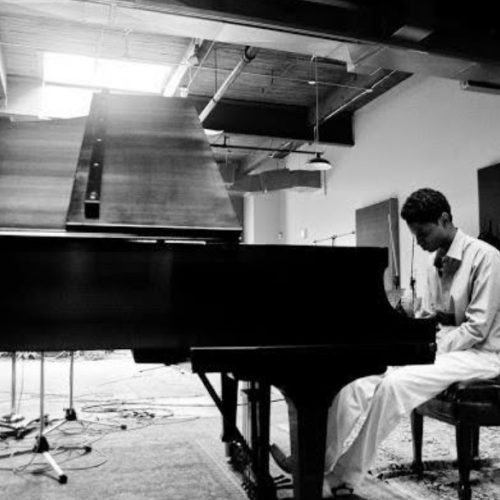
Interview Caribbean/Piano
Mois du Créole 2026 | David Bontemps: Between the Piano and Dessalines’ Legacy
By Sandra Gasana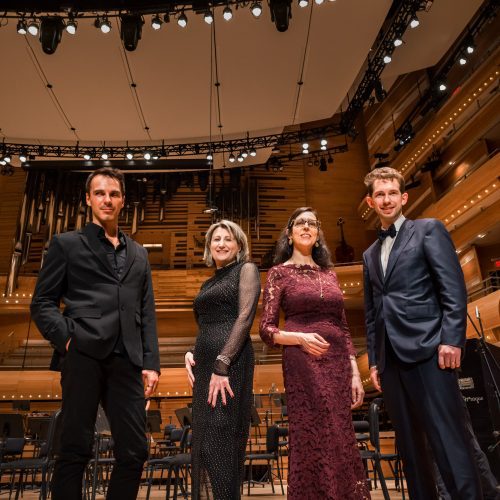
Concert review Classical/classique
Azrieli Prize 2026: The Four Pillars of the Temple
By Frédéric Cardin

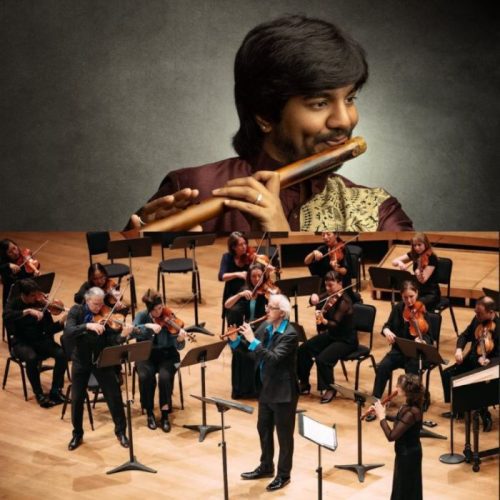
Interview Classical/classique
Ensemble Caprice at the 9th: Dialogue with Carnatic India
By Frédéric Cardin
Interview Classical/classique
A resurrected and vocally spectacular Cinderella at Bourgie Hall
By Frédéric Cardin
Interview Caribbean
Mois du Créole 2026 | Pierre-Roland Bain: A Look Back and a Look Ahead
By Sandra Gasana