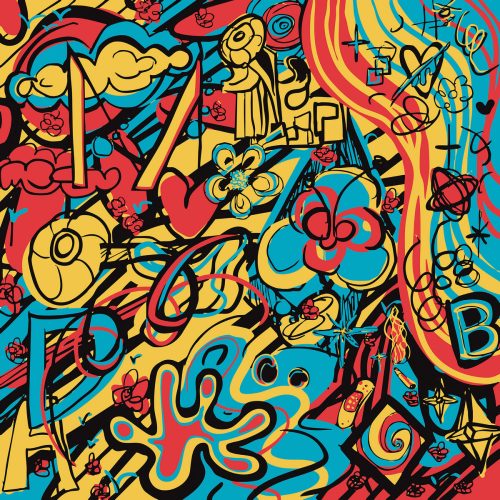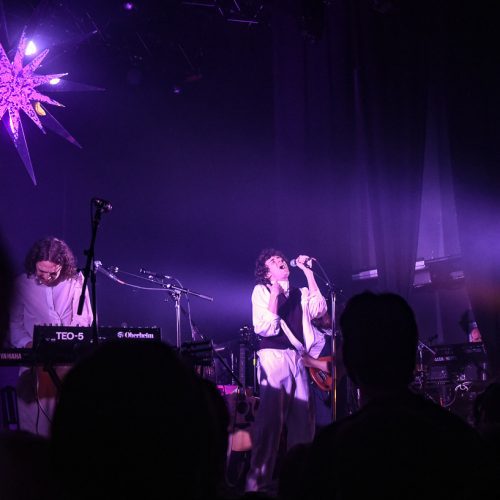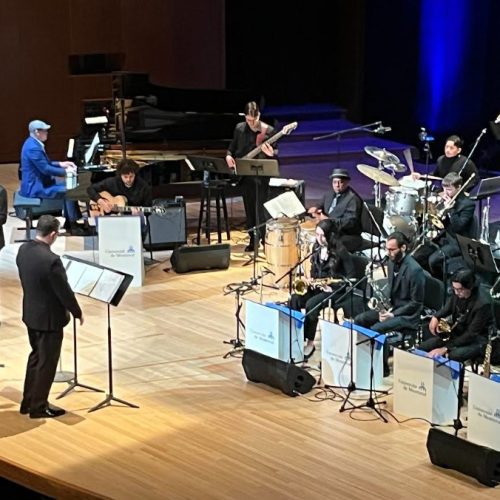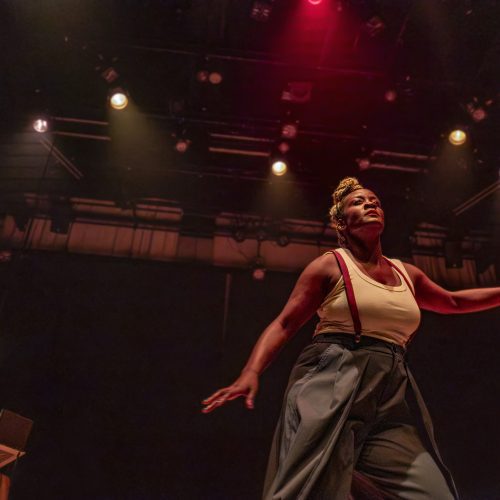
Bellbird is a jazz quartet, one of the best to have appeared on the Montreal scene in several years. Allison Burik (alto sax, bass clarinet), Claire Devlin (tenor sax), Eli Davidovici (double bass), and Mili Hong (drums) met during the pandemic while playing in parks, during some rare opportunities for gatherings. They found common ground in terms of style and musical inclinations. We already really liked their first album, Root in Tandem (READ THE REVIEW HERE), and we are even more impressed by this one, The Call.
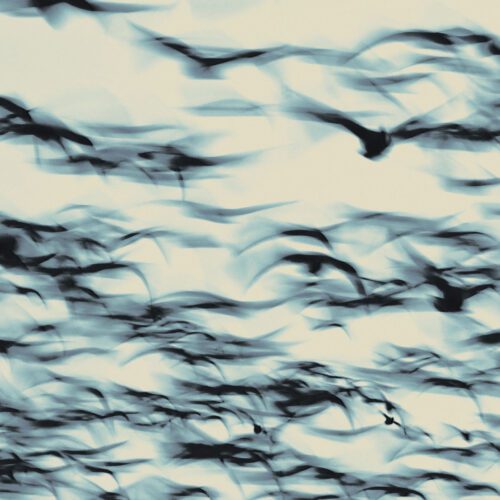
There are several birds mentioned in the music, hence the title (The Call). A dove (Mourning Dove), the famous bellbird (Bellbird) that gives its name to the group as well as to the title piece (The Call), the wild goose (Soft Animal), and the Carolina wren whose song appears in Murmuration. Somewhat in the manner of Olivier Messiaen, but in totally different harmonic and rhythmic constructions, the birds become motifs, structuring elements, or even conceptual inspirations, on which the collective compositions of Bellbird are based.
Because the Bellbird way is egalitarian and democratic. No one takes the lead in the writing process. It is a process that is done by eight hands. You can feel this freedom, and also the overall cohesion.
Character and power
Musically, the aura conveyed is eminently contemporary, but also drawing here from hard bop, elsewhere from free jazz and its Ornette-like bursts. One can also detect here and there the influence of very Montreal indie rock in the architecture of one or two pieces.
Also, the athletic presence of Milli Hong on drums determines the strong personality of the ensemble and effectively testifies to this indie lineage. The Montrealer exhibits a dominant character that envelops all the parts with an unalterable propulsive energy, without, however, limiting the natural and tonic expressiveness of the other soloists. There is something of Art Blakey in the young lady, perhaps also of Brian Blade.
The power of Hong is certainly striking, but it does not lead to a linear approach to the quartet’s creativity. On the contrary, the pulse is fleeting, fragmented, to which the saxophones/bass clarinet sometimes respond in a Coltrane-like manner, but often, too, thematically fragmented, creating bursts and explosive figures. A few calm episodes effectively balance a very well-constructed program.
The Call is an unequivocal shout for avant-garde jazz claimed by a new generation, well-informed of its roots but capable of detaching from them to brilliantly explore all the possibilities that continue to present themselves.
The best thing you can do is respond positively, if you even slightly appreciate complex and brilliant music.