Additional Information
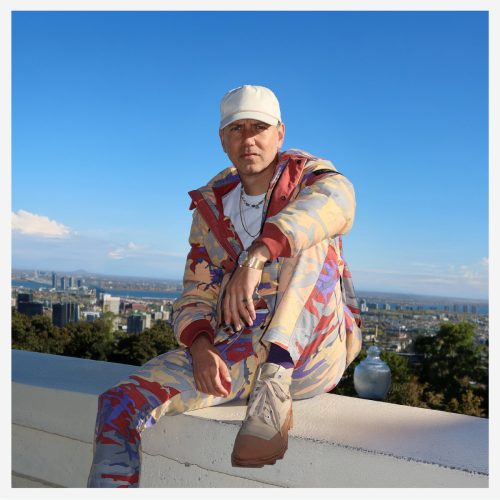
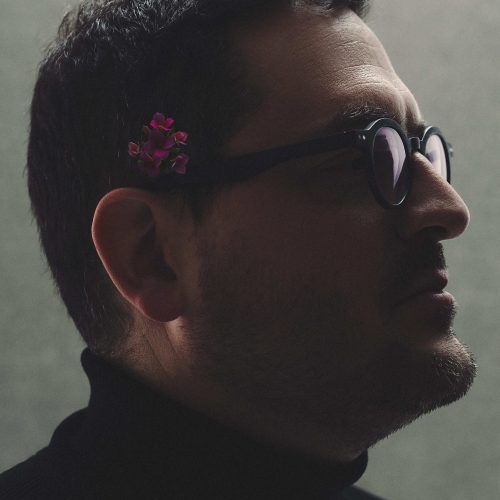
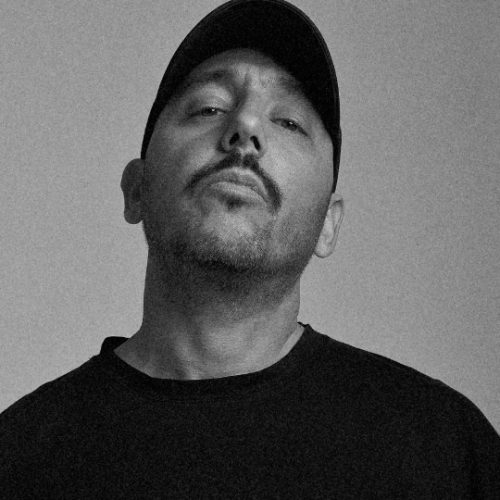
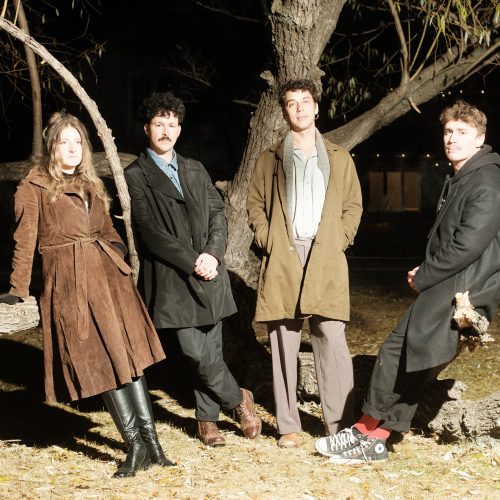
Ahead of the release of his album Symphonie publicitaire sous l’influence on 17 October, Alix Fernz invited me to the Club Social on Wednesday afternoon to talk about music. He passionately described the themes of his work and the influences that have made him the artist he is today.
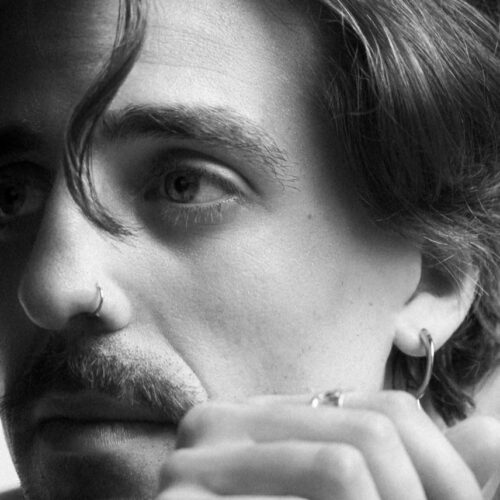
After a series of albums with his band Bloodskin Atopic, Alexandre Fournier experienced a musical renaissance during the pandemic, emerging with a solo project: Alix Fernz. His debut album, Bizou, was the culmination of his love for post-punk. Combining the spirit of artists such as Gang of Four and Gary Numan with the more glamorous and relaxed side of figures such as Wyatt Shears and Ariel Pink, the album explores unbridled authenticity. His presence, style and music form a carefully crafted whole, reflecting a sharp punk freedom that flirts with the experimental and breathes new life into Montreal’s alternative scene.
PAN M 360: What is the status of punk music in Quebec today?
Alix Fernz: Punk in Quebec has grown since I arrived in Montreal in 2019. At the time, it was a bit dead, but now, with bands like Béton Armé, for example, we have a new pillar of French-language punk in Montreal. They put on a hell of a show. The Quebec music scene seems to be constantly reinventing itself, and punk will never die.
PAN M 360: What are the ideas behind the punk movement that you identify with?
Alix Fernz: It’s more than just music. It comes with the collective community movement, the DIY aspect too. For me, that’s what punk is all about. There’s a strong community. Everyone looks scary, but everyone is super nice. That’s always fascinated me. When I was younger, I used to go to shows and see street punks with mohawks and tattoos, and I was like, ‘Damn, they’re scary.’ Often, there’s a lot of drug abuse, and they’re a bit special, eccentric, but in the end they’re super friendly.
PAN M 360: What makes punks so endearing?
Alix Fernz: There’s no pretence. No one’s trying to prove themselves. We mind our own business. We support each other. You know, I’m not saying I’m 100% part of that community, but when I go to events, like shows at Van Horne, there’s this intense energy, but it never turns violent, never turns chaotic. It’s always respectful.
PAN M 360: I remember your first albums with Bloodskin Atopic. You released three in one year, then radio silence. A few years later, you released Bizou, which has a completely different sound, with more post-punk influences like Gang of Four. Can you tell us about that transition?
Alix Fernz: I had just launched Bloodskin Atopic when COVID hit two weeks later. It was a big ‘fuck.’ But COVID gave me time to discover new influences and take the time to rework my sound. I think that before, with Bloodskin, I was really stuck on garage psych, and I was losing myself a bit in that. I would put the guitar really high, I would do the same moves, I wanted to be that. I listened to anything when I was young. I listened to the Top 40. What my parents listened to: Kiss, Rush, good dad rock. Then I discovered Gang of Four, I listened to a lot more post-punk, and more L.A. bands like The Garden. I also listened to a lot of Ariel Pink, even though that can be a bit problematic. I listened to a lot more jazz, Coltrane, lots of more experimental stuff too. I said to myself, ‘Right, I’m going to change my name, I’m going to start again from scratch.’ Start again from scratch like everyone else.
PAN M 360: I remember your first show as Alix Fernz at Le Système. You were alone in the crowd singing to electronic music. It’s not just your style that has changed, but your whole approach, and even your aesthetic. Can you tell us about that?
Alix Fernz: After COVID, I met my current girlfriend, Nora. She inspired me enormously. I really started to get into 70s UK punk in terms of aesthetics. I started dressing that way—I still dress that way today—that’s what got me going.
What allowed me to truly be 100% myself and put on an energetic show was simply dropping the guitar during performances. Before, with Bloodskin, I really hid behind the guitar because I was stressed. I play guitar, but I’m not gifted—I’m capable in the studio, but live I was so stressed. Alix Fernz’s first show was just me alone with a backing track. And it was such a relief. With the vibe that was there, all my friends were there, no stage, down in the crowd, I was like, ‘OK, this is it.’ I did bigger shows. I had a full band… Yeah, no, it just really clicked. And now I’m on stage, I have my band, I’m having a lot of fun. And I still do solo shows, I’m trying to push that a little bit more.
PAN M 360: Let’s talk about the upcoming album Symphonie publicitaire sous influence, scheduled for release on October 17. The titles are particularly evocative. In fact, I looked up 800 Gouin Boulevard on a map, and it’s the address of the Bordeaux prison?
Alix Fernz: It’s an interlude after the song 2h15. The song 2h15 is about a guy who attacked everyone outside a bar for no reason. He ran away. I was looking for a name for an interlude. What could it be? Let’s go to Bordeaux prison.
PAN M 360: Does the album consist of several stories like this that intertwine?
Alix Fernz: More or less. It’s mostly made up of songs I wrote during the Bizou period. There’s even one song, the last one on the album, “CHOC,” which is a cover of an old Bloodskin track. The album doesn’t necessarily have an obvious theme or direct links between the songs. But when I start writing lyrics and composing, I always try to build an album that has a theme, something to say. Often about things I observe. I really try to bring out the slightly sad and negative side of party life. That loneliness that people carry around with them, but hide behind a ‘hey, life!’
PAN M 360: What do you mean by this ‘negative’ point of view?
Alix Fernz: Not negative in the sense that I’m judging, but rather in the sense that I wanted to talk about things that people don’t usually talk about. Often, there are a lot of facades; people party to escape. But there’s also a slightly sad side to it, sometimes, with people abusing substances and things like that. I wanted to highlight this aspect to show people that it happens to far more people than we think. Then there are a lot of things I dramatised. Sometimes, at the bar, I’ll try to imagine that person’s before and after: why did they end up there? It’s 50-50 because building something 100% from scratch is tough.
PAN M 360: This is a question I like to ask artists — and especially you, since you work at L’Esco. In your opinion, what does the Quebec alternative scene need to thrive?
Alix Fernz: There has already been progress. With subsidies, it’s easier for bands to go and play elsewhere and get financial support to break into other countries. But they could definitely have more. I know that M for Montreal does a lot in this regard. They have a lot of showcases at several festivals abroad. I’ve done a lot of them, like at the Great Escape in the UK. They do them in Germany, all over France, and even in the US—I did one for South by Southwest. That’s really what I want for artists here, especially French-speaking ones. We just don’t have enough visibility in the world. We remain a bit stuck and closed off in Quebec. That’s not a bad thing in itself, but it’s not enough. We need to get ourselves on the map!
PAN M 360: Do you plan to move to Europe one day?
Alix Fernz: We’ll see. For now, I’m going to focus on seeing what my second album brings me in terms of reach. I know my songs are playing on the radio in France, which is cool. That’s what my label told me.
Alix Fernz is a gem of the local scene, evolving alongside other Quebec bands that are making waves — Population 2, Mulch, Béton Armé, among others. Mark your calendars for October 17 for the release of his album, and don’t miss his show on November 8, where he will perform all of the songs live.
Photo: Aabid Yousef