Additional Information
We’re all trying to make sense of this world as it gets more and more twisted and confusing. Living is almost to a point of reaction instead of planning and artists have been writing songs about this since they could walk. While you could generally categorize that as ‘songwriting,’ for Tom McGreevy the lead lyricist and rhythm guitarist of Ducks Ltd., it’s kind of his M.O. A Ducks Ltd. song usually sounds bright and full of life, with a steady momentum, as if finishing or overcoming a race or an obstacle, but the lyrics are nine times out of ten about the frailties of human relationships or straight up societal collapse.
This is probably the most present on Ducks’ newest release, Harm’s Way which will have an album release show this Saturday, Feb. 10 during Taverne Tour. We quickly chatted with McGreevy before the show to learn more about his artistic process and Harm’s Way.
PAN M 360: There is always this momentum with a Ducks Ltd. song. Especially on Harm’s Way. I kind of always feel like running when I listen to it…
Tom McGreevy: Haha yeah thanks. I definitely feel like we always have the innate impulse to make the song slightly faster. It always ends up going that way. There’s a pretty long process with the editing of the lyrics too. I tend to write the lyrics a little bit slower, but when it gets to the point of playing it out with Evan, we will always push it an extra 5 bpm faster or something in the demo. Historically, I think there have been only like two or three instances when we’ve had to slow down a Ducks song.
PAN M 360: And even though this album kind of pushes that Ducks jangle pop sound further, I feel like you’re one of the only bands where I can take a song and put it anywhere in your repertoire and it fits, almost as if they were written around the same time or place.
Tom McGreevy: That’s interesting and I’ve heard that a bit before. But the truth is most of them start in my bedroom and then we take them to the studio. For this album, some of them were written while we were on tour. I think I find personally that when I’m doing my kind of side of it, which is more in a sort of solitary space, it’s often that I’ll be working on a thing for a really long time. It will be like eight or nine months of just sitting on it. And it’ll come in pieces, and then the pieces will eventually be locked together and coalesce the way I want it to. Sometimes you just have to walk away and wait for that epiphany down the line y’know? I rarely write a song in one sitting. Usually, I’ll let the second verse hang for a while.
PAN M 360: So going off of that, I feel the studio process must be quite methodical and not very spontaneous?
Tom McGreevy: Yeah we are quite meticulous and there is very little spontaneity. The way we approach to stuff is definitely with rigour, but every now and then I will get stuck, but I need to get something down in the studio. So it will be like 11th-hour shit and we have to go with what I got. That used to be worrisome, but now I think we have more confidence. Of course, there’s always that one line that I hate right, or it annoys me. It’s a deadly struggle that I think I only notice.
PAN M 360: The music is very upbeat and feel-good. But if you read into the lyrics, they’re pretty bleak. The world is drowning, kind of a cynical take. Would you consider yourself to have like a bleak outlook on the world?
Tom McGreevy: I try to stay optimistic, but I think reality resists that (laughs). It always comes from me trying to process these difficult realities. And so I think that tends to be part of maybe why it comes through in that way. At the same time, it’s like, I think if I’m being honest, is a pretty accurate reflection of my worldview most of the time.
PAN M 360: There is something to that with the jangle pop kind of genre; depressing lyrics and upbeat music…
Tom McGreevy: I think it’s just in pop music in the broader history of like, you know, commercial music as a medium. Think of somebody like Smokey Robinson’s “The Tracks of My Tears.” Like, that’s a pretty bright-sounding song. I think that juxtaposition is sort of core to the appeal of a lot of music. And I think it’s like, sometimes less present in our current moment, but I think it’s, it’s interesting to me. Many of our influences are fthe guitar music from the UK and New Zealand in like 1980s, and that was something I was aware of, but I think it’s just one sort of element in the medium.
PAN M 360: You guys were really able to tour these songs, kind of road-test them. How did that tie into the recording process for Harm’s Way?
Tom McGreevy: I think it taught us about how the songs work. Not just live, but on a basic level. Historically, we would write the song, write the parts, and then never play them until we had to learn them for the live show. When I think the thing that was kind of different with this one was that because we did play it so much, we talked about it all the shows. I think we kind of got a better sense of like, how a Ducks song works and what a Duck song does. So when we were kind of making this record, it was a lot, almost easier to do because it was sort of like sort of knew innately what was going on and we didn’t have to think about it as much. It was a lot less sort of hitting a crossroads in a compositional process. It was like ‘Well, obviously, it will go like this.’
PAN M 360: I wanted to ask you specifically about the song “Train Full of Gasoline.” That might be my favorite track. I like it reminds me a lot of The Cure, but also that metaphor of this huge train of gasoline being like a volatile relationship … such a great metaphor
Tom McGreevy: Thanks. That’s in part about the train disaster in Lac-Mégantic and the one thing that struck me after reading about it and learning about the clean up in the community was there wasn’t like one, central mistake that was made that caused this to happen. It was like this series of small, like failures that like just compounded on each other. And I thought that was like, kind of compelling as a metaphor. Like, the description of most human folly is these things where it’s small things that pile up and don’t get observed and don’t get addressed. That theme definitely comes up in Ducks music all the time.
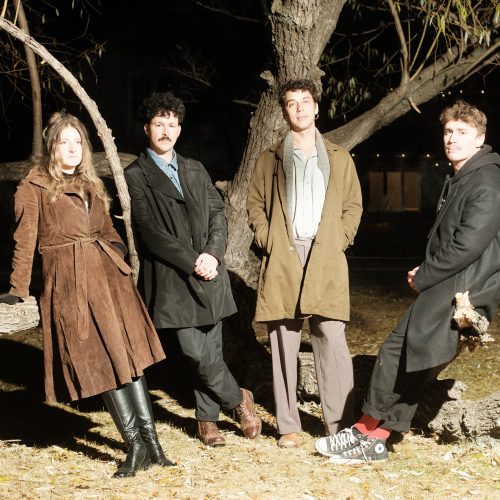
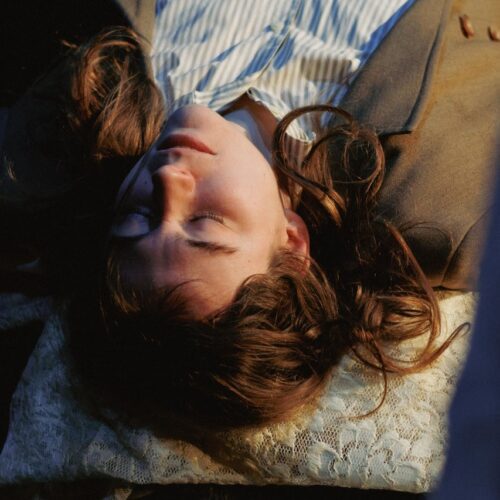
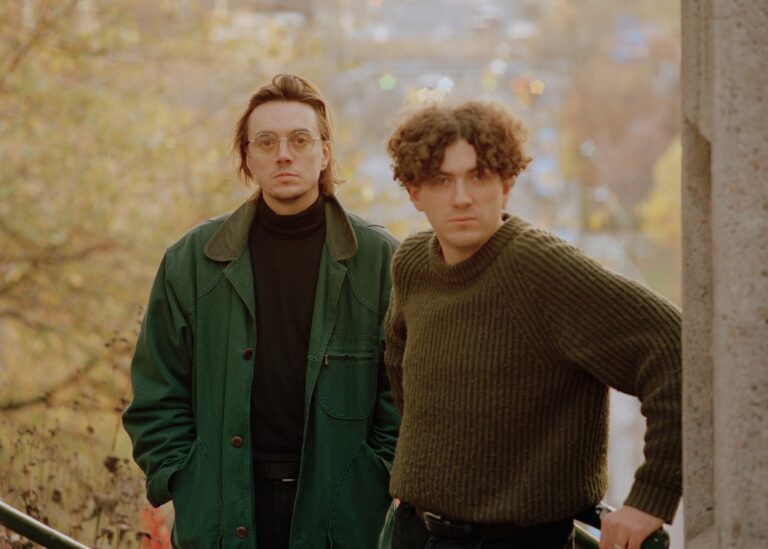
Photo by: Colin Medley
Ducks Ltd. Plays Taverne Tour w/ The Wesleys, and Dresser at Quai Des Brumes on Feb. 10