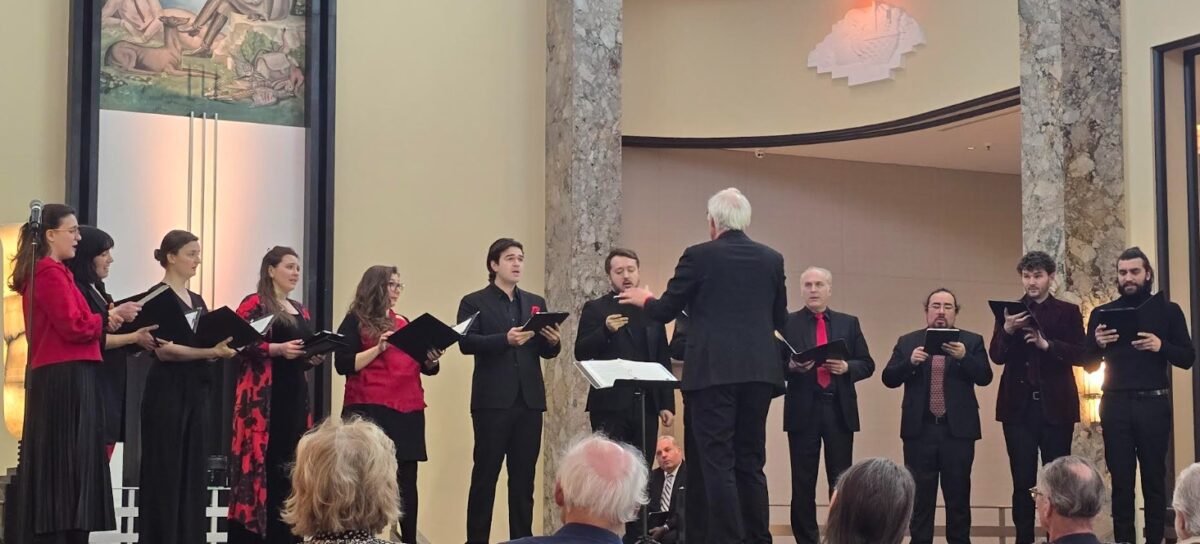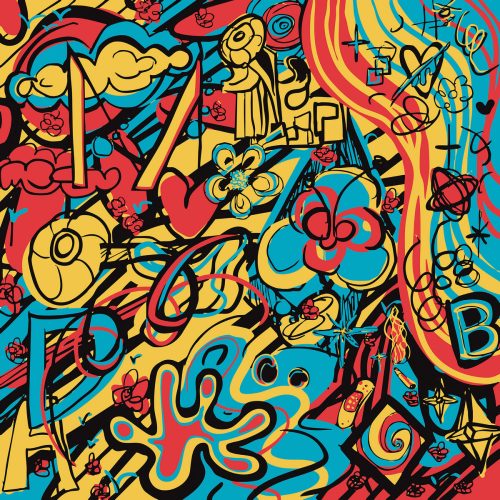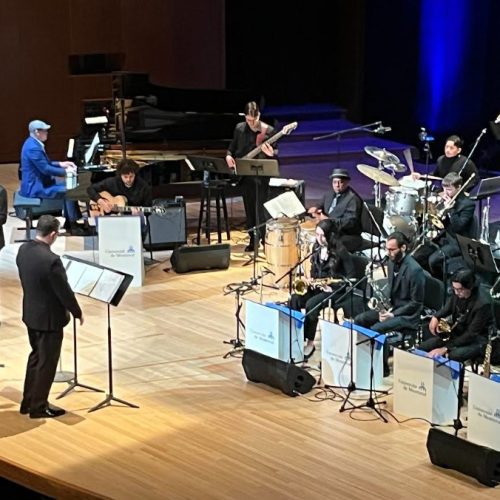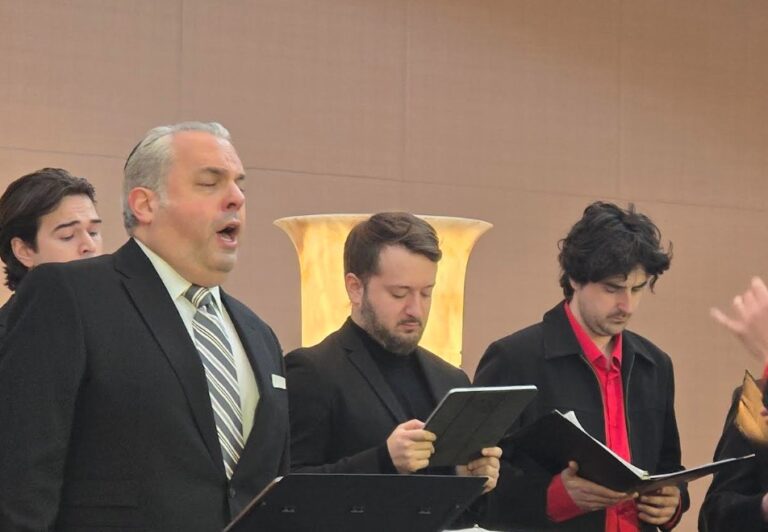
One Tuesday at lunchtime in February, music lovers at Le 9e concert hall witnessed a truly intercultural experience: the encounter between the ArtChoral Ensemble and Jewish identity through choral singing, both sacred and secular. This concert coincided with the release of the album Hallelujah on the ATMA Classique label, which shared the same theme as this superb program.
From the outset, the choral music of Montreal composer Jaap Nico Hamburger exuded a palpable spirituality. The melodies of The Uninterrupted Melody were presented in two relatively short sections: first, a slow and silky sequence with the lament-like title “How long will you forget me, forever?”, followed by “Rescue them,” a more syncopated discourse dominated by female voices. This work falls within the contemporary repertoire of music inclined toward spirituality, Jewish in this case.
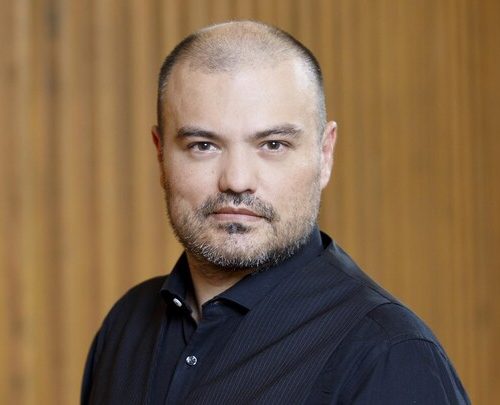
This concert, it was noted, was not modeled on the new album. The increased role of the excellent tenor Gideon Zelermyer, who participated in the album Hallelujah and who is responsible for the choral direction of the Montreal synagogue Shaar Hashomayim, is in my opinion the most significant musical contribution of Leonard Cohen’s final album, You Want It Darker.
The tenor’s first performance was with ArtChoral, where he sang Min Hametzar, a piece composed in 19th-century France by the Jewish composer Jacques Fromental Halévy. The language and text lend a unique character to this choral work, placing it firmly within a European aesthetic, rather than a strictly Eastern one.
The following piece was performed by the choir without a principal soloist, an aria by Ernest Bloch composed in the 20th century, Y’Hiyu L’ratzon. Here again, the singing is typical of its choral modernity; only the text distinguishes it from the period from which it originates. This was followed by a song in the same vein, but with greater melodic and harmonic depth, courtesy of Leonard Bernstein, typical of the great modern choirs of the 1950s and 60s.
This Western aesthetic can also be associated with the choir personnel as such, if we compare it to Jewish choirs of sacred music, which are traditionally male in Orthodox services.
We find vocal inflections particular to these male choirs and also vocalises of the cantor, not unlike those of baroque or early European music, not to mention certain micro-intervals below or above the note provided for by the tonal system.
We find vocal inflections particular to these male choirs and also vocalises of the cantor, not unlike those of baroque or early European music, not to mention certain micro-intervals below or above the note provided for by the tonal system.
These two brilliant performances were interspersed with the ever-popular “Hallelujah” by our very own Leonard Cohen, performed in a choral version with a succession of highly creative soloists in an arrangement by Andre van der Merwe. An excellent choice of artistic direction by Matthias Maute, conductor of ArtChoral.
This confirms once again the beneficial, even life-saving, effect of music in the intercultural lives of human beings of goodwill.