A crucial work by the late Polish composer Krzysztof Penderecki (1933-2020), the St. Luke Passion was performed by the MSO as the season opener at the Festival de Lanaudière, and then a few days later in Krakow and Salzburg, under the direction of Kent Nagano. Penderecki was unequivocally delighted: “It was fantastic. His direction seemed to me very classical, very clean and not very dramatic. I really appreciated this very lyrical direction,” he told me in an interview the day after the European concerts, given in his presence. This is precisely what some might reproach: the relative clarity and tenacity of the drama. This is precisely what a conductor must do, with a work of this scale: give it a distinct style while respecting the score. Yet such a contemporary work, imagined in the mid-1960s despite its sacred character and the Christian faith of its creator, gives the performers greater freedom than a classical work in the pre-contemporary repertoire. Nagano is not given to dramatic paroxysm, his approach – naturally inclined to the meditative virtues of music, necessarily more reserved and intellectual – does not suit all the performers who work under his baton… which sometimes leads to underwhelming performances. Not in this case. This recording of the concert in July 2018 at the Salzburg Festival reveals all the qualities of the work and at the same time, expresses the singularity of Nagano’s conducting. Himself a child of the countercultural California of the 1960s, the MSO maestro knew how to whip up a froth at the right moment (for there are extremely intense moments in this performance), and choose a certain purity in the more spiritual passages of this St Luke Passion. Thus soloists Sarah Wegener (soprano), Lucas Meachem (baritone), Matthew Rose (bass), Slawomir Holland (narration), with the Warsaw Boys’ Choir and the Krakow Philharmonic Choir, are for the most part firmly invested in this titanic work, at once very contemporary and atypical of the 1960s for its sacred dimension.
Latest 360 Content

Interview Classical/classique
Opér’actuel becomes a biennial festival: we discuss it with the artistic director Marie-Annick Béliveau
By Frédéric Cardin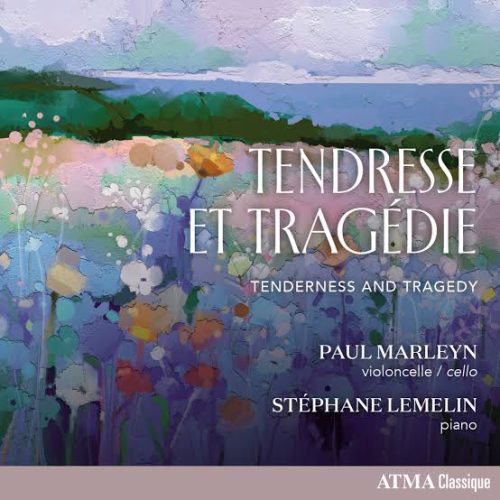
Album review Classical/classique 2026
Paul Marleyn; Stéphane Lemelin – Tenderness and Tragedy
By Frédéric Cardin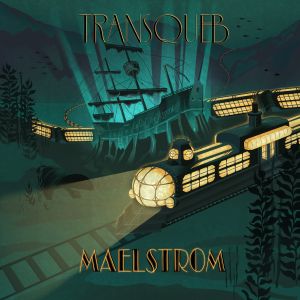

Album review Classical/classique 2026
Elinor Frey ; Accademia de’ dissonanti – CPE Bach : Cello Concertos
By Frédéric Cardin
Concert review Experimental/Hip Hop
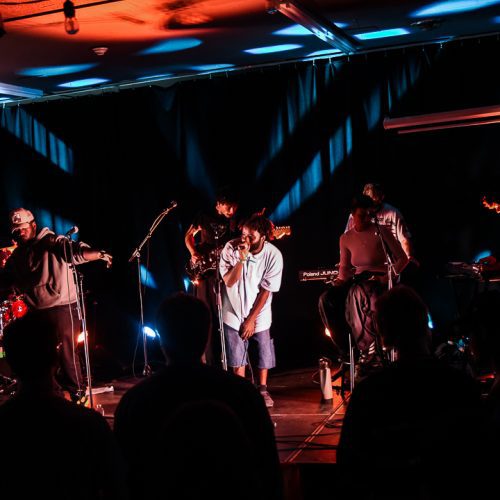
FME 2026: haha Laughing, An Avant-Garde, Sluggy Surprise
By Jake Friesen
Interview Experimental/Hip Hop
haha Laughing All the Way to the Bank
By Jake Friesen & Lyle Hendriks
Interview classique/Classical
The Four Seasons of Quebec: Interview with François Dompierre
By Frédéric Cardin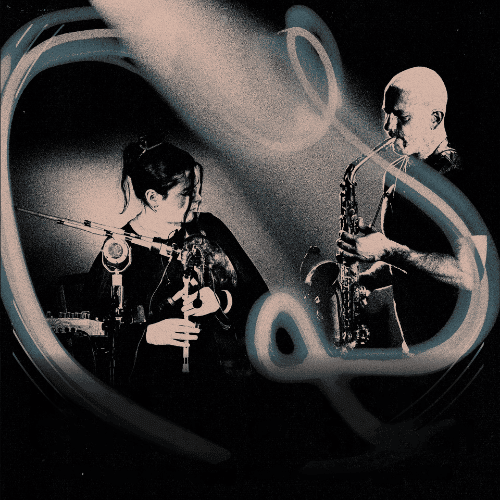
Interview Classical/classique
Colin Stetson : Exploring and reinventing trad landscapes with Brìghde Chaimbeul
By Frédéric Cardin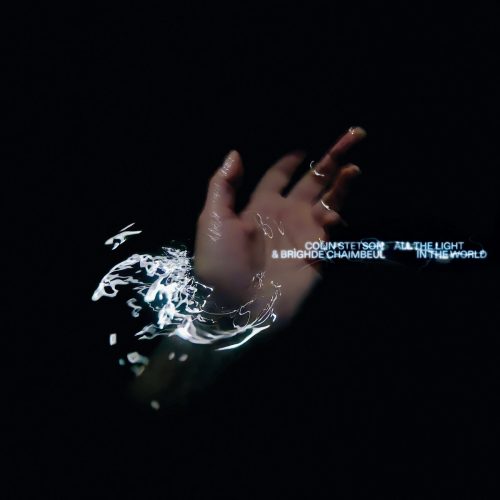
Album review Classical/classique 2026
Brìghde Chaimbeul and Colin Stetson – All the light in the world
By Frédéric Cardin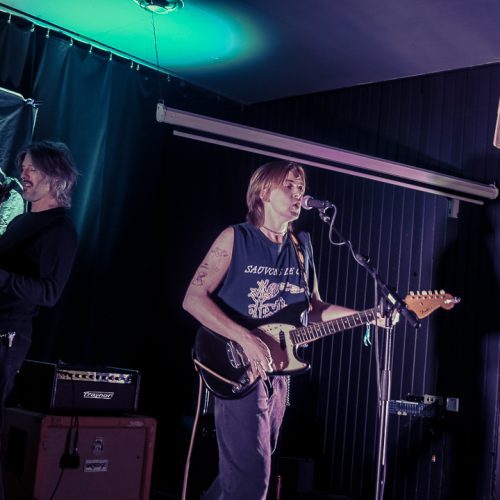
Concert review Experimental/percussions/Rock
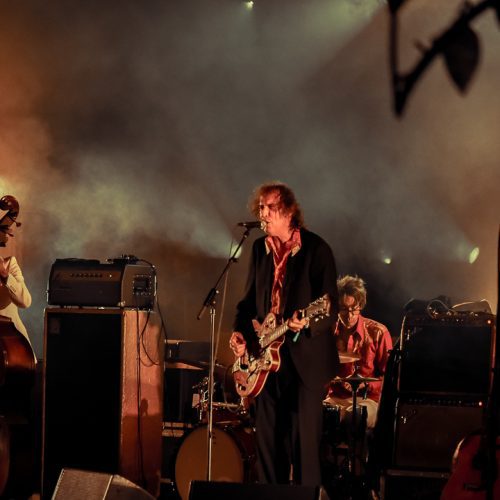
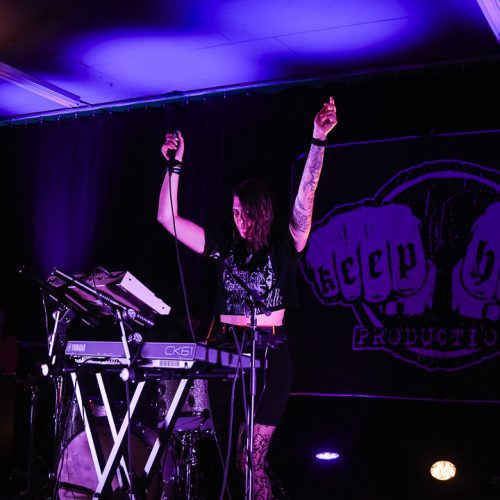
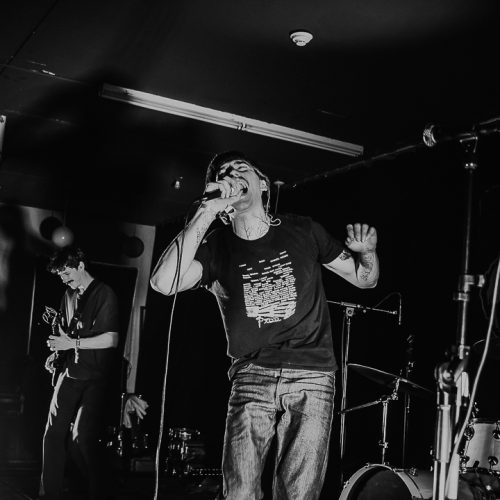
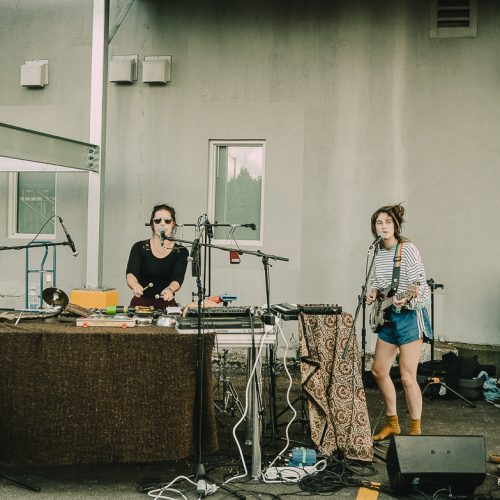
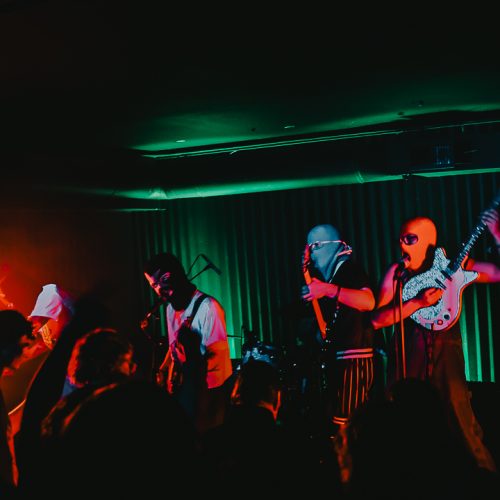
FME 2026 I Mek’Dr’Dr Brings Shovels and Whimsical Post-Punk to FME
By Stephan Boissonneault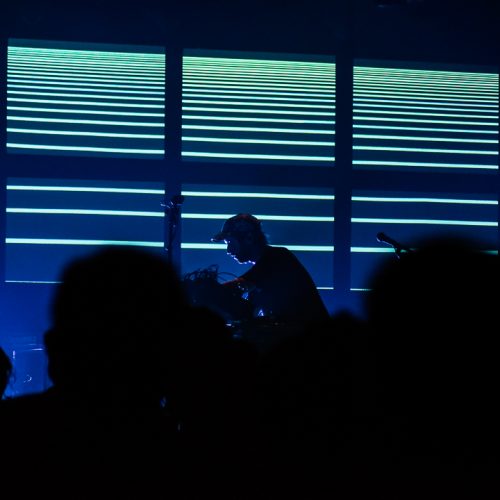
Concert review
FME 2026 I Hologramme Turns Petit Théâtre Into a Sweaty Discotheque
By Stephan Boissonneault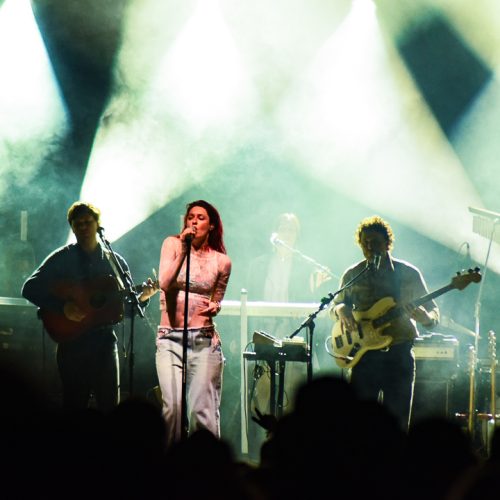
Concert review
FME 2026 I Lou-Adriane Cassidy Turns Main Stage Into Her Own Disco-Funk Coronation
By Stephan Boissonneault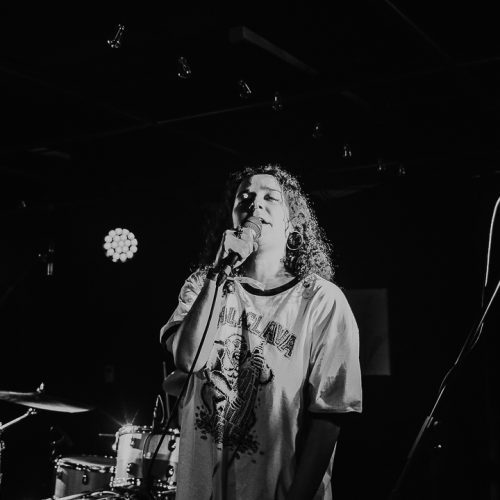
Concert review Rock/jangle pop/Psychedelia
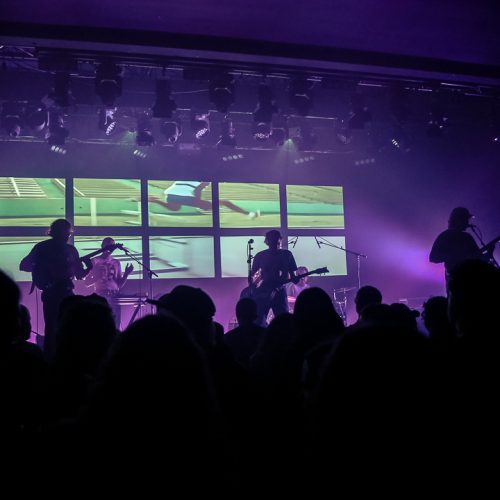
FME 2026 I Corridor, A Psychedelic Indie Rock Ouroboros
By Stephan Boissonneault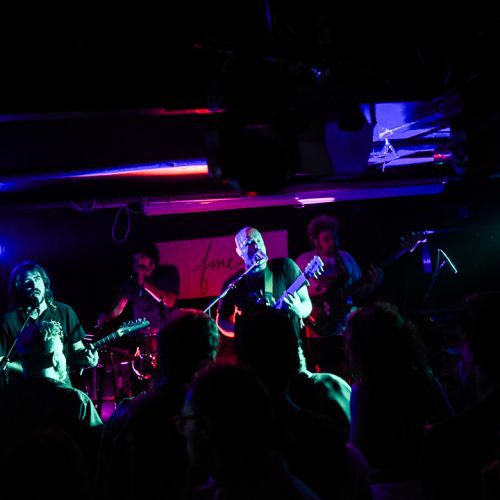
Concert review Rock
FME 2026 I Iguana Death Cult Converts the Non-Believers
By Stephan Boissonneault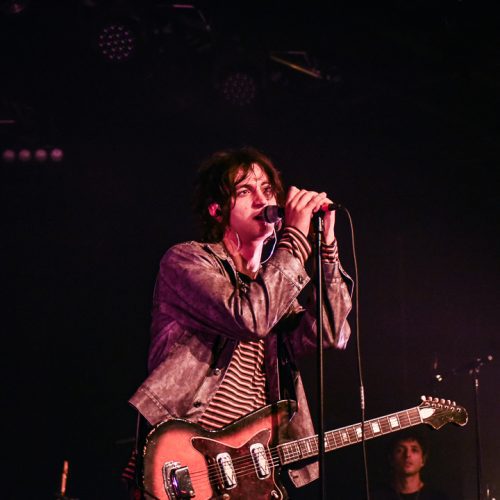
Interview latino/Electronic
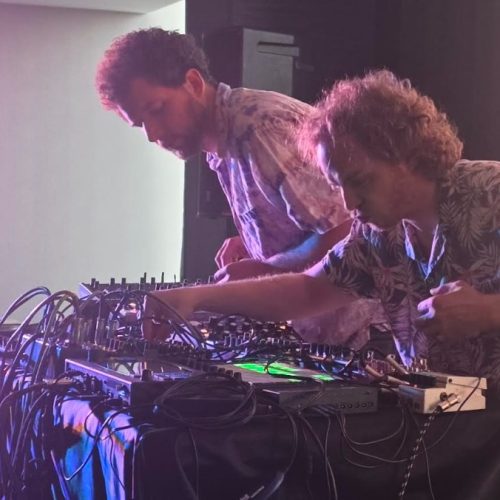
FME 2026 | RIZOMAGIC from Bogotá: Tropical Futurism and Cosmic Tuning
By Alain Brunet