Choral Music / classique / Création

OSM : López et Beethoven clôturent la saison!

by Rédaction PAN M 360

Ce programme réunit deux visions complémentaires de l’espoir : chez Beethoven, la Symphonie n° 9 fait retentir l’appel à la fraternité universelle, véritable épopée humaniste où le chœur exalte la joie comme un horizon commun. Jimmy López, compositeur en résidence de l’OSM, répond à cet idéal avec une métaphore profondément actuelle : la migration des papillons monarques, voyage fragile et obstiné qui rappelle celui des êtres en quête d’un lieu où s’épanouir. Sa Symphonie n° 6, donnée en création mondiale par l’Orchestre, inscrit cette trajectoire au cœur d’une nature en mouvement, vibrant d’énergie et de lumière. Ensemble, ces deux œuvres tracent une même ligne : celle d’une humanité qui avance, qui rêve et que la musique rassemble au-delà des frontières.

This program brings together two complementary visions of hope: in Beethoven’s Ninth Symphony, the call for universal brotherhood resounds—a true humanist epic where the chorus exalts joy as a shared horizon. Jimmy López, OSM’s composer-in-residence, responds to this ideal with a deeply contemporary metaphor: the migration of monarch butterflies, a fragile yet determined journey echoing that of human beings seeking a place to thrive. His Symphony no. 6, given its world premiere by the Orchestra, traces this trajectory at the heart of a nature in motion, vibrant with energy and light. Together, these two works draw the same line: that of a humanity moving forward, dreaming, and united by music beyond all borders.

Programme

Jimmy López, Symphonie nᵒ 6 Monarch – création, co-commande de l’OSM (35 min)
Ludwig van Beethoven, Symphonie nᵒ 9, op. 125 (65 min)

Program

Jimmy López, Symphony no. 6, Monarch– World Premiere, co-order of the OSM (35 min)
Ludwig van Beethoven, Symphony no. 9, op. 125 (65 min)

POUR ACHETER VOTRE BILLET, C’EST ICI!

Ce contenu provient de l’Orchestre symphonique de Montréal et est adapté par PAN M 360
classique / période romantique

OSM : L’imaginaire symphonique de Richard Strauss – Matinée

by Rédaction PAN M 360

Pour cette matinée, place à la verve et à la couleur orchestrale! Don Juan déploie son souffle passionné et son éclat virtuose, bientôt rejoint par les espiègleries de Till l’espiègle, où Strauss peint avec humour et panache les frasques du célèbre farceur. En seconde partie, Don Quixote apporte une profondeur plus émotive : le violoncelle d’Alisa Weilerstein incarne avec finesse les élans et les désillusions du héros de Cervantès, sous la direction inspirée de Rafael Payare. Ce concert existe aussi dans une autre version proposant Mort et transfiguration au programme.

For this matinee, the spotlight is on orchestral flair and vivid storytelling. Don Juan unfolds with passionate sweep and virtuosic brilliance, soon joined by the mischievous antics of Till Eulenspiegel, where Strauss paints the escapades of his infamous trickster with humor and panache. In the second half, Don Quixote brings a deeper emotional resonance: under Alisa Weilerstein’s cello, the idealistic hero of Cervantes comes alive with nuance, longing, and disarming humanity, guided by Rafael Payare’s inspired direction. This program is also offered in an alternate version featuring Death and Transfiguration.

Programme/program

Richard Strauss, Don Juan, op. 29 (17 min)
Richard Strauss, Till l’Espiègle/Till Eulenspiegel’s Merry Pranks, TrV 171, op. 28 (15 min)
Richard Strauss, Don Quixote, TrV 184, op. 35 (38 min)

POUR ACHETER VOTRE BILLET, C’EST ICI!

Ce contenu provient de l’Orchestre symphonique de Montréal et est adapté par PAN M 360

classique / période moderne

OSM : Autour de Stravinsky

by Rédaction PAN M 360

Traversé par les mythes qui le nourrissent, ce programme irradie d’une énergie solaire. L’Oiseau de feu déploie ses ailes légendaires, figure flamboyante de renaissance et d’enchantement, dans une fresque où Stravinsky allume un brasier orchestral. Samy Moussa, avec Elysium, convoque la mythologie gréco-romaine afin de mieux questionner la beauté de la vie, sa fragilité, sa valeur éthique. Au centre du triptyque, Leonidas Kavakos s’empare du Concerto n° 2 de Prokofiev dont il révèle le lyrisme profond, la noblesse blessée, la poésie rythmique intime. Une soirée sous le signe des puissances imaginaires et des forces vitales qui éclairent notre monde intérieur.

Steeped in the myths that inspire it, this program radiates solar energy. The Firebird spreads its legendary wings—a blazing figure of rebirth and enchantment—in a sweeping orchestral fresco ignited by Stravinsky. With Elysium, Samy Moussa invokes Greco-Roman mythology to explore life’s beauty, fragility, and ethical meaning. At the heart of this triptych, Leonidas Kavakos takes on Prokofiev’s Violin Concerto no. 2, revealing its profound lyricism, wounded nobility, and intimate rhythmic poetry. An evening shaped by imaginary forces and vital energies that illuminate our inner world.

Programme

Samy Moussa, Elysium (12min)
Piotr Ilich Tchaïkovski, Concerto pour violon op.35, TH59 en ré majeur (33 min)
Igor Stravinsky, L’Oiseau de feu (ballet intégral) (45 min)

Program

Samy Moussa, Elysium (12min)
Pyotr Ilyich Tchaikovsky, Concerto for violin op.35, TH59 in D major (33 min)
Igor Stravinsky, The Firebird (full-length ballet) (45min)

POUR ACHETER VOTRE BILLET, C’EST ICI!

Ce contenu provient de l’Orchestre symphonique de Montréal et est adapté par PAN M 360

classique

OSM : Payare dirige la Grande Messe en ut

by Rédaction PAN M 360

Dans la Grande messe en ut mineur, Mozart transforme l’amour en nécessité créatrice. C’est pour Constance, convalescente, qu’il entreprend cette œuvre de dévotion intime, vaste cathédrale musicale où la ferveur spirituelle se mêle à l’élan humain le plus ardent. Le Gloria, à l’architecture démesurée, semble vouloir remercier la vie de l’avoir rendue à lui tandis que le Kyrie porte la gravité d’un cœur qui a frôlé la perte. Tout y respire la passion transfigurée, l’ardeur intérieure, la quête de consolation. Pour compléter cette soirée tout Mozart, on retrouve deux joyaux : l’élégance nocturne d’Eine kleine Nachtmusik puis l’éclat jubilatoire de l’Exsultate, jubilate. Rafael Payare nous invite à redécouvrir trois visages d’un génie qui savait tout embrasser : le recueillement, la fête et la grâce.

In the Great Mass in C minor, Mozart transforms love into a creative necessity. It was for Constance, then recovering, that he undertook this work of intimate devotion—a vast musical cathedral where spiritual fervor mingles with the most ardent human impulse. The Gloria, with its monumental architecture, seems to thank life for restoring her to him, while the Kyrie bears the gravity of a heart that brushed against loss. Every page breathes transfigured passion, inner ardor, and a quest for consolation. Completing this all-Mozart evening are two gems: the nocturnal elegance of Eine kleine Nachtmusik and the jubilant brilliance of Exsultate, jubilate. Rafael Payare invites us to rediscover three faces of a genius who embraced everything: contemplation, celebration, and grace.

Programme

Wolfgang Amadeus Mozart, Sérénade, K. 525 Eine kleine Nachtmusik
Wolfgang Amadeus Mozart, Exsultate, jubilate, K.165
Wolfgang Amadeus Mozart, Grande Messe en ut mineur K.427/KV.417a

Program

Wolfgang Amadeus Mozart, Serenade, K.525, Eine kleine Nachtmusik
Wolfgang Amadeus Mozart, Exsultate, jubilate, K.165
Wolfgang Amadeus Mozart, Mass in C minor, K. 427/427a

POUR ACHETER VOTRE BILLET, C’EST ICI!

Ce contenu provient de l’Orchestre symphonique de Montréal et est adapté par PAN M 360
classique / Piano

OSM : Labadie dirige «L’italienne» de Mendelssohn

by Rédaction PAN M 360

Voici un programme qui respire la joie, l’élan et la vitalité pure. L’univers lumineux de Gluck, avec Orphée et Eurydice, ouvre la soirée dans un souffle d’élégance et de grâce classique. Beethoven, encore jeune et fougueux, prolonge cette allégresse avec un Concerto n° 1 qui scintille de fraîcheur, parfaitement accordé à la musicalité naturelle d’Alexandra Dovgan, nouvelle étoile du piano. Bernard Labadie convie ensuite Mendelssohn dans une Symphonie « Italienne » où l’on entend presque la lumière, les places ensoleillées, les danses spontanées. À travers ce programme rempli d’une joie de vivre contagieuse se dégage l’idée d’une musique dont l’enthousiasme et l’élégance demeurent aussi communicatifs deux siècles après la naissance de ces œuvres.

This program breathes joy, momentum, and pure vitality. Gluck’s luminous world, with Orpheus and Eurydice, opens the evening in a breath of elegance and classical grace. Young and impetuous, Beethoven extends this exuberance with his First Piano Concerto—sparkling with freshness and perfectly suited to the natural musicality of Alexandra Dovgan, a rising star of the piano. Bernard Labadie then invites Mendelssohn with his Italian Symphony, where one can almost hear the light, sunlit piazzas, and spontaneous dances. Through this program, filled with contagious joie de vivre, emerges the idea of music whose enthusiasm and elegance remain as communicative two centuries after these works were born.

Programme

Christoph Willibald Gluck, Ouverture et musique de ballet d’Orphée et Eurydice
Ludwig van Beethoven, Concerto pour piano nᵒ 1, op.15
Felix Mendelssohn Bartholdy, Symphonie nᵒ 4, op. 90, « Italienne »

Program

Christoph Willibald Gluck, Overture and Ballet Music from Orpheus and Eurydice
Ludwig van Beethoven, Piano Concerto no. 1, op. 15
Felix Mendelssohn-Bartholdy, Symphony no. 4, op. 90, « Italian « 

POUR ACHETER VOTRE BILLET, C’EST ICI!

Ce contenu provient de l’Orchestre symphonique de Montréal et est adapté par PAN M 360

orgue / pop symphonique / prog

OSM : L’orgue de Yes à Genesis

by Rédaction PAN M 360

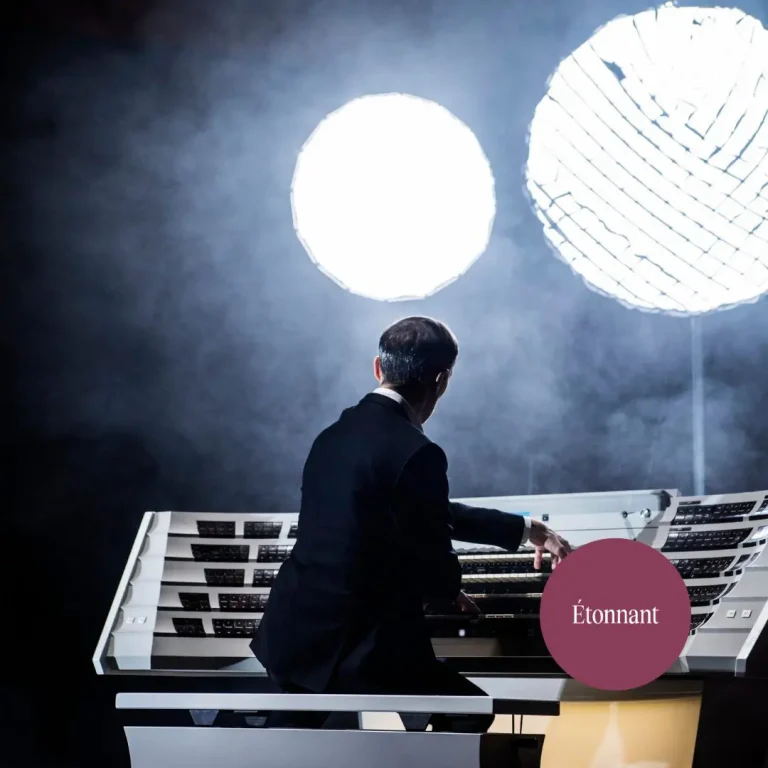
Tubular Bells réinventé par un grand orgue, Genesis propulsé par la pulsation des percussions, Yes et ELP revisités dans une tempête de riffs et de nappes sonores : le Trio RCM transforme ces monuments du rock progressif en un terrain de jeu éclaté où s’entremêlent virtuosité, audace et pure jubilation sonore. Avec Yves Rechsteiner aux claviers monumentaux, Henri-Charles Caget à la percussion inventive, Frédéric Maurin à la guitare électrique incandescente, les frontières entre classique et rock volent en éclats. Les tubes iconiques se parent d’une ampleur inégalée et la Maison symphonique se métamorphose en scène survoltée. Une soirée qui pulse, qui surprend et qui célèbre la liberté totale de réinventer les genres. Concert d’orgue, de percussions et de guitare électrique (sans orchestre)

Tubular Bells reinvented by a grand organ, Genesis driven by the pulse of percussion, Yes and ELP reimagined in a storm of riffs and sonic layers: the RCM Trio transforms these monuments of progressive rock into a dazzling playground where virtuosity, audacity, and pure sonic jubilation collide. With Yves Rechsteiner at monumental keyboards, Henri-Charles Caget on inventive percussion, Frédéric Maurin on blazing electric guitar, the boundaries between classical and rock explode. Iconic hits take on unprecedented scope, and the Maison symphonique morphs into an electrifying stage. An evening that pulses, surprises, and celebrates the absolute freedom to reinvent genres. Concert featuring the organ, percussions and electric guitar (without orchestra)

POUR ACHETER VOTRE BILLET, C’EST ICI!

Ce contenu provient de l’Orchestre symphonique de Montréal et est adapté par PAN M 360
classique / jeunesse

OSM : Olympique symphonique

by Rédaction PAN M 360

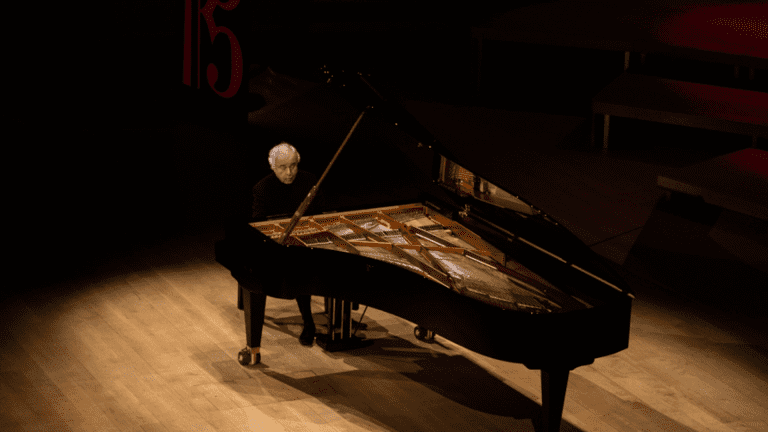
Des millions de gens vibrent tous les deux ans avec les athlètes du monde entier lors des Jeux olympiques. Durant ce concert, petits et grands pourront ressentir la ferveur d’un hymne, l’importance du rythme et de la respiration. La musique et le sport sont des alliés de chaque instant que nous célèbrerons en grand!

Every two years, millions of people are inspired by the incredible feats of Olympic athletes. This concert invites audiences young and old to experience the stirring emotion of national anthems and the deep connection between rhythm and breath. Throughout history, music and sport have gone hand in hand—join us as we celebrate their enduring bond in spectacular fashion!

POUR ACHETER VOTRE BILLET, C’EST ICI!

Ce contenu provient de l’Orchestre symphonique de Montréal et est adapté par PAN M 360

Classical

Fred, Nagano and the OSM: An Annual Pilgrimage in the Footsteps of Previous Ones

by Frédéric Cardin

The seventh encounter between storyteller Fred Pellerin, Kent Nagano, and the OSM (Montreal Symphony Orchestra) remained true to the principles of previous performances: a warm atmosphere (that enormous animated Christmas ornament was still there—but where and how do they store it the rest of the year??), appropriately chosen classical music performed by a suitably velvety OSM, and the discreet yet benevolent presence of Kent Nagano, who, despite his departure several years ago, always returns with pleasure and dedication to participate in this now well-established tradition. And, above all, there was the intelligent storytelling, tinged with humor and a touch of poetry, of Fred Pellerin, master storyteller and representative of his native village, transformed by his pen and oratorical genius into a place of fantastical legends.

The 2025 version of the pilgrimage adventures of Saint-Élie-de-Caxton plunged us into the origins of this village where myth intertwines with reality. It was on April 12, 1865, that the village was founded. But what happened on the night of the 11th to the 12th for “nothing” to become “something,” and what’s more, a community, Fred wonders. It’s while “doing his research” that he discovers the story of a rigid, obsessive-compulsive priest and a wild widow known as the Red Roulette. This woman, quite the schemer, takes advantage of the “courtesy visits” from the village gentlemen by demanding a cow in exchange for her silence. The lady then owns quite a herd, 100 to be precise.

From these numerous romantic encounters (including with the priest), a little girl will be born who will win everyone’s hearts, in an allegory clearly linked, but in reverse mirror image, to the birth of Jesus. Here, there is no immaculate conception. On the contrary, the little angel bears (not so) curiously the features of all the villagers, lol.

Ultimately, it was a great sense of community that allowed the village of Saint-Élie-de-Caxton to exist, specifically on April 12, 1865. I won’t spoil why or how things unfolded at that precise moment. In any case, you’ll be going to the concert on the 18th, 19th, or 20th, and/or watching it on Radio-Canada television later during the holiday season.

That said, it’s noticeable that the use of musical pieces is sometimes primarily cosmetic, even obligatory. One wonders why this choice rather than another, except perhaps to fill the program with hit tunes from the traditional classical repertoire. Wagner’s “Entry of the Gods into Valhalla” as an opening, following the announcement of the pioneers’ disappearance (who went to settle where the village would be founded), felt like too much, let’s say. Berlioz’s “March to the Scaffold” (from the Symphonie fantastique) didn’t quite fit with the preceding theme, in my opinion. Conversely, “Earthquake” by Montreal-based composer Yuliya Zakharava, originally from Belarus, a commission from the OSM, fulfilled its mandate admirably. The young composer demonstrated excellent orchestrational skills, in a highly accessible, expressive, cinematic narrative style. She also created the beautiful arrangement of Jacques Michel’s song “Amène-toi chez nous,” sung by Fred Pellerin at the end of the concert.

And as for Fred’s own hosting, some repetition will have been noticed by regulars, namely recycled jokes from previous shows (Polichignon) or structural elements of the narrative. Well, can we really blame him? Most great artists have recycled themselves, some more often than others (Bach, to name just one). So, let’s not be too quick to judge. Moreover, if I’m to believe the comments and the faces of the audience leaving the Maison symphonique, the joy of the OSM/Fred Pellerin collaboration was once again evident. People love this tradition, even when the turkey isn’t quite as juicy as last time.

INFORMATION, TICKETS AND SHOW BROADCAST SCHEDULE

classique / pop instrumentale

Velvet Snow and Flaming Snowflakes: Tribute to André Gagnon by The OM

by Frédéric Cardin

The Orchestre métropolitain’s tribute to André Gagnon’s album Neiges proves to be a successful endeavor, despite a few shortcomings. There were indeed a few pitfalls along the way, but although not all of them were overcome, the performance as a whole produced some moving moments.

In this type of project, we always start by asking ourselves what we are going to add and what we are going to leave out. Are we going to give a literal reading, albeit enhanced by the symphonic scale, or are we going to explore the unsuspected possibilities of the original scores in order to enhance their impact? Arranger François Vallières leaned toward the former option, while embracing the integral classicism of the orchestration, i.e., he eliminated the original electric instruments from Gagnon’s scores: the electric guitar and bass.

It was in the most iconic track influenced by disco, Wow, that the shortcoming I mentioned was most noticeable. The double basses failed to project the same sonic conviction as the electric bass on the album, in the famous riff played at the time by Jean-Guy Chapados. Perhaps a trick could be found to make it stand out more in an acoustic context. That said, we must still tip our hats to the OM double bassists for their technically impressive rendition of this very bouncy line.

In the same piece, there is another omission: the funky wah-wah guitar effects, which have not been translated. However, I would have imagined muted trumpets reproducing the effect in question correctly.

At this point, you probably think I didn’t enjoy the experience. That’s not the case. Beyond these somewhat nitpicky quibbles, I admit that the vast majority of the orchestrations allowed us to enjoy André Gagnon’s melodic richness, with added harmonic depth and even, occasionally, counterpoint. The Petit concerto for Carignan and orchestra, beautifully performed by the OM’s first violin for the “classical” portion, and traditional violinist David Boulanger for the “folk” section, had the effect of an impressive gust of wind, even if I would have liked an orchestra with more amplitude, adding depth of sound behind Boulanger’s whirlwind of notes.

L’Ouverture-éclair and Dédéthoven, for their part, took full advantage of the symphonic setting, even if the velvety orchestral sound tended to diminish the crystalline clarity of certain voices, which are very noticeable on the album. The excellent Julie Lamontagne, usually a jazz pianist, took charge of performing the first two pieces of the program on piano, thus finding herself responsible for setting the tone for the concert. I can’t give her a perfect score due to a few slight technical hiccups in Dédéthoven, but her excellent narrative sense and the breath she gave to her interpretations were greatly appreciated. She got the show off to an effective start. The other pianist, Rousso, mainly took care of the romantic portions, with the exception of his skillful reading of Ta Samba.

It was in the lyrical passages that Vallières’ orchestrations resonated most powerfully and Gagnon’s music seemed most moving, right up to the grandiose, even epic finale of the title piece Neiges, with its baroque arpeggios accompanied by the OM choir. A powerful and convincing conclusion to a tribute filled with beautiful emotions, but in need of refinement here and there in order to fully reach its expressive potential.

Neiges made up the first half of the concert. The second half featured a diverse collection of musical Christmas carols and festive tunes. Through warm renditions of classics such as Have Yourself A Merry Little Christmas and C’est l’hiver, and excerpts from two very accessible contemporary choral pieces (Magnificat by Taylor Scott Davis and Gloria by John Rutter), two little gems by Antoine Gratton were performed with all the fireworks they demanded and left a lasting impression on me.

The Concerto trad for David Boulanger is a flamboyant and all too brief exercise for a talented trad violinist, accompanied by an orchestra that asserts itself without overwhelming the soloist. Gratton knows how to use all kinds of tricks to make his scores interesting and avoid banality while remaining familiar. This is what he has brilliantly achieved in the other gem I mentioned, an arrangement of famous themes from children’s films popular during the holiday season, a sort of “Ciné-Cadeau Symphony” that ingeniously brings together snippets of well-known melodies from animated films such as Astérix and Lucky Luke, ending with a choral anthem based on the song L’amour a pris son temps, from La guerre des tuques.

I have often noted the quality of Gratton’s orchestrations. This fantasy on film themes, and especially the Concerto trad, convince me once again that the time has more than come to offer this symphonic artist the chance to present much more substantial material, such as a concerto of considerable length, or a complete and powerful symphonic work.

The concert ended on a sweet note with a rendition of Have Yourself a Merry Little Christmas, bringing almost everyone on stage together with the choir. There was no encore, but the audience seemed very satisfied. You have two more opportunities to experience it, on Sunday morning and afternoon.

INFO AND TICKETS (what’s left)

Other articles to check out:

Léa Moisan-Perrier : dans les souliers et avec la baguette d’André Gagnon
Dans les coulisses de Neiges d’André Gagnon, il y a 50 ans, avec le percussionniste Robert Leroux

classique / période romantique

OSM : Andrew Wan joue Sibelius

by Rédaction PAN M 360

Du premier frémissement d’une source jusqu’à l’éclat féerique d’un lac enchanté, ce concert suit une trajectoire aquatique bercée d’imaginaire. La Moldau de Smetana ouvre la voie : un fleuve naît, se faufile, s’amplifie et l’Orchestre chatoie de couleurs évoquant forêts, villages et courants vifs. Au centre du voyage, le Concerto pour violon de Sibelius surgit comme un torrent intérieur, où Andrew Wan déploie un lyrisme solitaire, ardent, sculpté par les silences et les élans. Après la création mondiale de Cassandra Miller, le parcours s’achève dans la Suite du Lac des cygnes de Tchaïkovski, éclatante d’étincelles orchestrales. Le fleuve devient lac : un lieu de magie, de danse et de lumière.

From the first shimmering of a spring to the magical brilliance of an enchanted lake, this concert traces an aquatic journey steeped in imagination. Smetana’s The Moldau sets the course: a river is born, winds its way, swells, and the orchestra sparkles with colors evoking forests, villages, and rushing currents. At the heart of the voyage, Sibelius’s Violin Concerto surges like an inner torrent, where Andrew Wan unfolds a solitary, ardent lyricism, sculpted by silences and soaring lines. After the world premiere of Cassandra Miller’s work, the journey concludes with Tchaikovsky’s Swan Lake Suite, dazzling with orchestral brilliance. The river becomes a lake—a realm of magic, dance, and light.

Programme

Bedřich Smetana, La Moldau (12 min)
Jean Sibelius, Concerto pour violon, op. 47 (35 min)
Cassandra Miller, création mondiale (25 min)
Piotr Ilitch Tchaïkovski, Le lac des cygnes (suite de ballet), op. 20 (22 min)

Program

Bedřich Smetana, The Moldau (12 min)
Jean Sibelius, Violin Concerto, op. 47 (35 min)
Cassandra Miller, World Premiere (25 min)
Pyotr Ilyitch Tchaikovsky, Swan Lake (Ballet Suite), op. 20 (22 min)

POUR ACHETER VOTRE BILLET, C’EST ICI!

Ce contenu provient de l’Orchestre symphonique de Montréal et est adapté par PAN M 360

classique / Contemporary / Piano

OSM : La dramatique Symphonie no 8 de Chostakovitch

by Rédaction PAN M 360

De l’insouciance de la jeunesse au long chemin de la résilience, ce programme met en contraste deux mondes : le Concerto pour piano et orchestre n° 2 de Rachmaninov où Alexander Gavrylyuk projette une énergie ardente, déploie une virtuosité vaste, expansive, dévorante, portée par une écriture orchestrale éblouissante et un finale en feu d’artifice. Plus tard, en 1943, la Symphonie n° 8 de Chostakovitch écrite au cœur des horreurs de la guerre est une musique de compassion, de résistance intérieure, une « épopée de la souffrance » où perce pourtant un fil d’espérance. Ce cri lucide contre la violence et la suprématie est un témoignage bouleversant de l’artiste face au réel. Entre effusion splendide et gravité nue, ce programme rappelle que la musique accompagne autant les instants exaltants que les heures sombres, offrant refuge, mémoire et horizon.

From the carefree spirit of youth to the long path of resilience, this program contrasts two worlds: Rachmaninoff, Concerto for piano and orchestra no. 2 where Alexander Gavrylyuk projects fiery energy, unleashes vast, expansive virtuosity, and ignites a finale like a fireworks display, all carried by dazzling orchestral writing. Later, in 1943, Shostakovich’s Symphony no. 8, composed in the midst of wartime horrors, becomes music of compassion and inner resistance—an “epic of suffering” through which a thread of hope still shines. This lucid cry against violence and supremacy stands as a moving testimony of the artist confronting reality. Between splendid effusion and stark gravity, this program reminds us that music accompanies both exalted moments and darkest hours, offering refuge, memory, and horizon.

Programme

Sergueï Rachmaninov, Concerto pour piano et orchestre nᵒ 2, op. 18
Dmitri Chostakovitch, Symphonie nᵒ 8, op. 65 (61 min.)

Program

Sergey Rachmaninoff, Concerto for piano and orchestra no. 2, op. 18
Dmitri Shostakovich, Symphony no. 8, op. 65

POUR ACHETER VOTRE BILLET, C’EST ICI!

Ce contenu provient de l’Orchestre symphonique de Montréal et est adapté par PAN M 360
classique / Opera

OSM : Don Giovanni, le chef d’œuvre de Mozart

by Rédaction PAN M 360

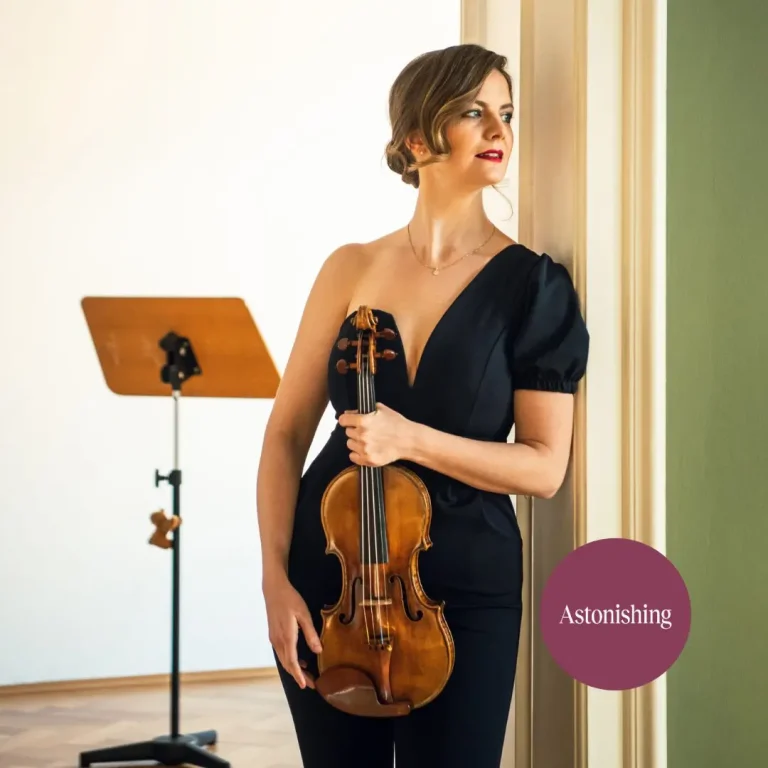
Dans Don Giovanni, Mozart et Da Ponte explorent la légende de Don Juan à travers un jeu constant d’ombres et de lumières : le charme irrésistible du séducteur se mêle à une inquiétude qui grandit jusqu’à la damnation finale. Cette tension entre comédie et tragédie, si caractéristique de l’œuvre, révèle une vision profondément humaine, nourrie de symboles et d’idéaux chers au compositeur. En version concert, sous la direction de Rafael Payare, l’architecture dramatique apparaît avec une clarté saisissante : chaque contraste, chaque rebond, chaque éclat orchestral souligne la fuite en avant d’un héros emporté par sa propre démesure. Entre séduction, vertige moral et fulgurances expressives, Don Giovanni demeure un miroir fascinant de nos contradictions.

In Don Giovanni, Mozart and Da Ponte explore the legend of Don Juan through a constant interplay of shadow and light: the seducer’s irresistible charm mingles with a growing unease that leads to his final damnation. This tension between comedy and tragedy—so characteristic of the work—reveals a profoundly human vision, rich in symbols and ideals dear to the composer. In concert version, under Rafael Payare’s direction, the dramatic architecture emerges with striking clarity: every contrast, every twist, every orchestral flash underscores the headlong rush of a hero consumed by his own excess. Between seduction, moral vertigo, and dazzling expressiveness, Don Giovanni remains a fascinating mirror of our contradictions.

Programme/program

Wolfgang Amadeus Mozart, Don Giovanni, K. 527

POUR ACHETER VOTRE BILLET, C’EST ICI!

Ce contenu provient de l’Orchestre symphonique de Montréal et est adapté par PAN M 360
Subscribe to our newsletter

Inscription
Infolettre

"*" indicates required fields

Type of Suscribers