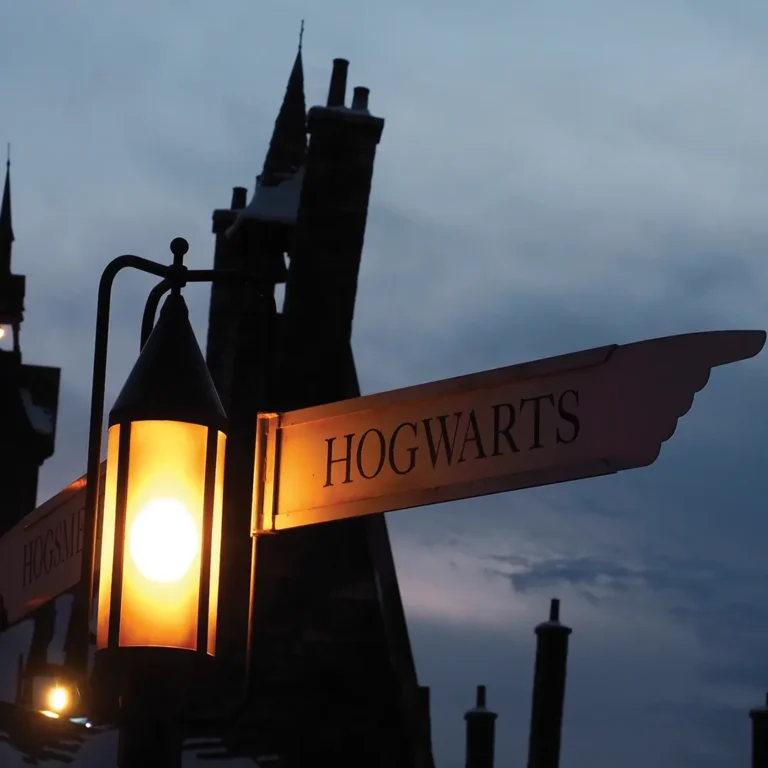
Depuis la sortie du film Harry Potter à l’école des sorciers, il y a 25 ans, l’engouement pour la célèbre série fantastique et ses personnages de Poudlard n’a cessé de croître. Redécouvrez les mélodies légendaires de ces films emblématiques, composées par John Williams. Que vous soyez Serpentard, Gryffondor, Poufsouffle ou Serdaigle, revêtez les couleurs de votre maison et venez vivre cette aventure en famille!
Since the release of the film Harry Potter and the Sorcerer’s Stone 25 years ago, the beloved fantasy series and its Hogwarts characters have continued to captivate audiences. Relive the unforgettable melodies from these iconic films, composed by John Williams. Whether you belong to Slytherin, Gryffindor, Hufflepuff, or Ravenclaw, don your house colours and bring the entire family for this magical adventure!
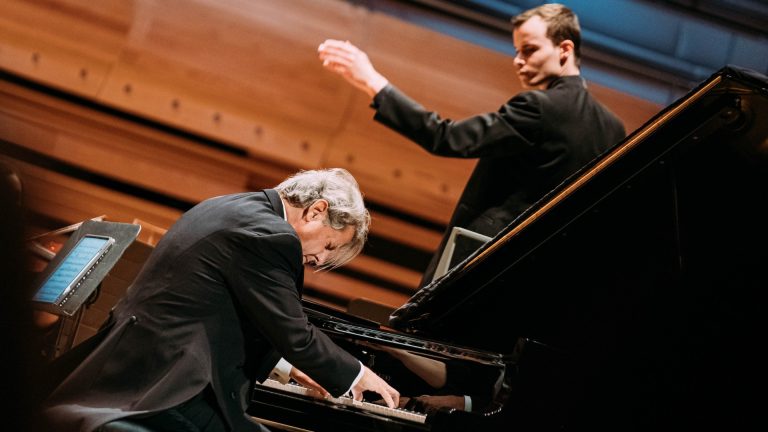
Lauréat du Concours OSM en 2022 et du Concours international de piano de Leeds, le Canadien Jaeden Izik-Dzurko amorce une brillante carrière pianistique. Venez l’écouter dans ce concert au format réduit animé par Philippe-Audrey Larrue-St-Jacques, dans le Concerto de Grieg : une œuvre qui séduit par son irrésistible mélange de lyrisme et de vigueur. Laissez-vous ensuite charmer par la féérie de L’Oiseau de feu, dont les somptueuses couleurs orchestrales créent un véritable enchantement sonore.
Canadian pianist Jaeden Izik-Dzurko, who launched a stellar career after winning the 2022 OSM Competition and the Leeds International Piano Competition, takes the stage in this intimate concert hosted by Philippe-Audrey Larrue-St-Jacques. Hear him perform Grieg’s Piano Concerto, a piece known for its captivating mix of lyricism and vigour. Then, allow yourself to be swept away by the enchanting beauty of The Firebird, where lush orchestral colours paint a mesmerizing sonic landscape.
Programme
Edvard Grieg, Concerto pour piano, op. 16 (30 min) Igor Stravinsky, L’Oiseau de feu, Suite pour orchestre (1919) (23 min)
Program
Edvard Grieg, Concerto for Piano, Op. 16 (30 min) Igor Stravinsky, The Firebird, Suite for Orchestra (1919) (23 min)
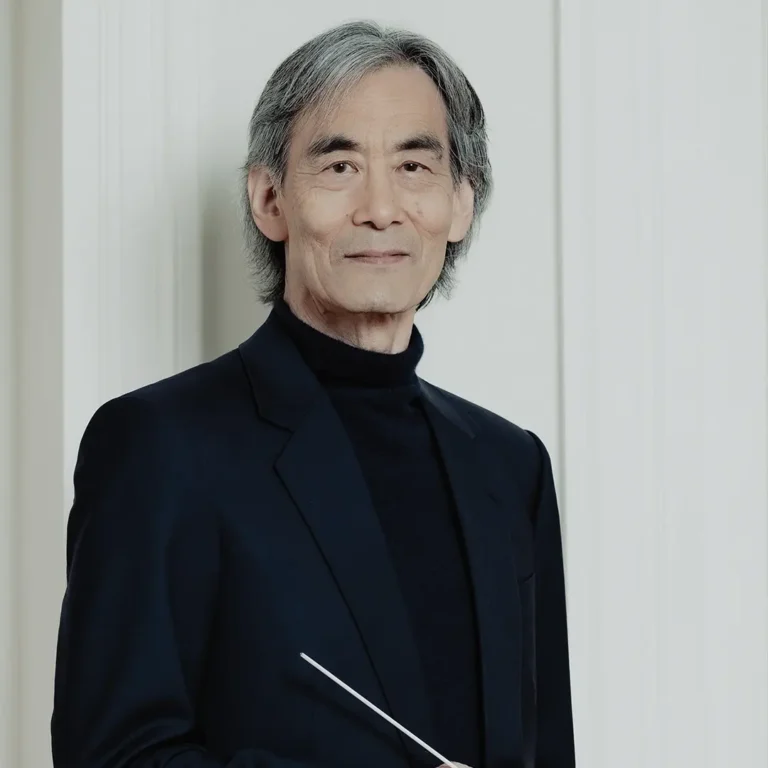
Le chef émérite de l’OSM, Kent Nagano, dirige le poignant Requiem allemand de Brahms, tel qu’il fut donné en 1868 à Brême en Allemagne. Cette version historique, présentée pour la toute première fois à l’OSM, intègre des extraits d’œuvres baroques, de la Passion selon St Mathieu de Bach et du Messie de Handel. Ces pièces musicales mettent en perspective l’héritage de Brahms et soulignent le lien du compositeur avec la grande tradition musicale germanique. Une œuvre qui invite à une réflexion profonde sur la vie et la mort. Un rendez-vous musical unique !
OSM Conductor Emeritus Kent Nagano leads a moving performance of Brahms’ A German Requiem, as it was presented in 1868 in Bremen, Germany. Making its debut at the OSM, this historic recreation includes excerpts from Baroque masterpieces such as Bach’s St. Matthew Passion and Handel’s Messiah. These musical selections offer insight into Brahms’ artistic heritage and underscore his profound connection to the rich German musical tradition. This masterpiece invites deep contemplation on life and death, promising a truly exceptional musical journey.
Programme
Johannes Brahms, Un Requiem allemand, sur des textes de l’Écriture sainte, op.45 (version Bremen 1868) Johann Sebastian Bach, Passion selon Saint Mathieu, BWV 244 : « Erbarme dich, mein Gott » Georg Friedrich Handel, Le Messie, HWV 56 (orch. W. A. Mozart) – extraits Œuvres pour violon et orgue de Bach, Tartini et Schumann
Program
Johannes Brahms, A German Requiem, from words of the Holy Scripture, Op. 45 (1868 Bremen version) Johann Sebastian Bach, St. Matthew Passion, BWV 244: “Erbarme dich, mein Gott” (6 min) George Frideric Handel, Messiah, HWV 56 (orch. W. A. Mozart) – excerpts
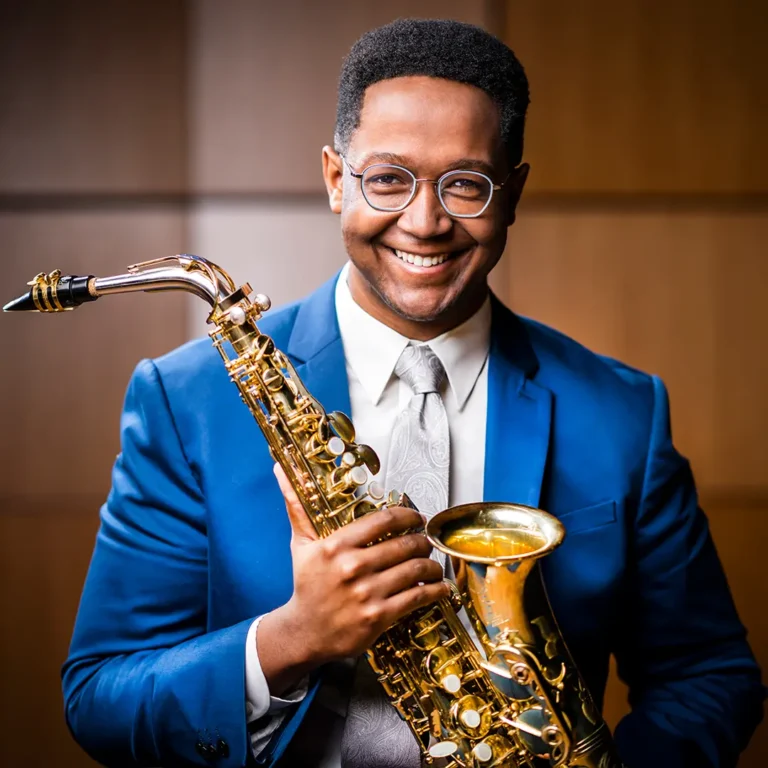
Successful Evening at The OSM: Steven Banks Makes The Saxophone Shine
by Jeremy Fortin
On Wednesday evening, the OSM presented the concert López, Childs, and Mahler: Hope in Exile, a rich and diverse program that explored the different facets of classical music.
The first part of the concert featured two contemporary pieces, beginning with Perú Negro by Jimmy López, composer-in-residence with the OSM. This six-movement work was the ideal way to start the concert. Drawing inspiration from Afro-Peruvian music, López takes us on a journey through Peruvian culture in a rhythmic atmosphere, punctuated with effects and strongly supported by percussion.
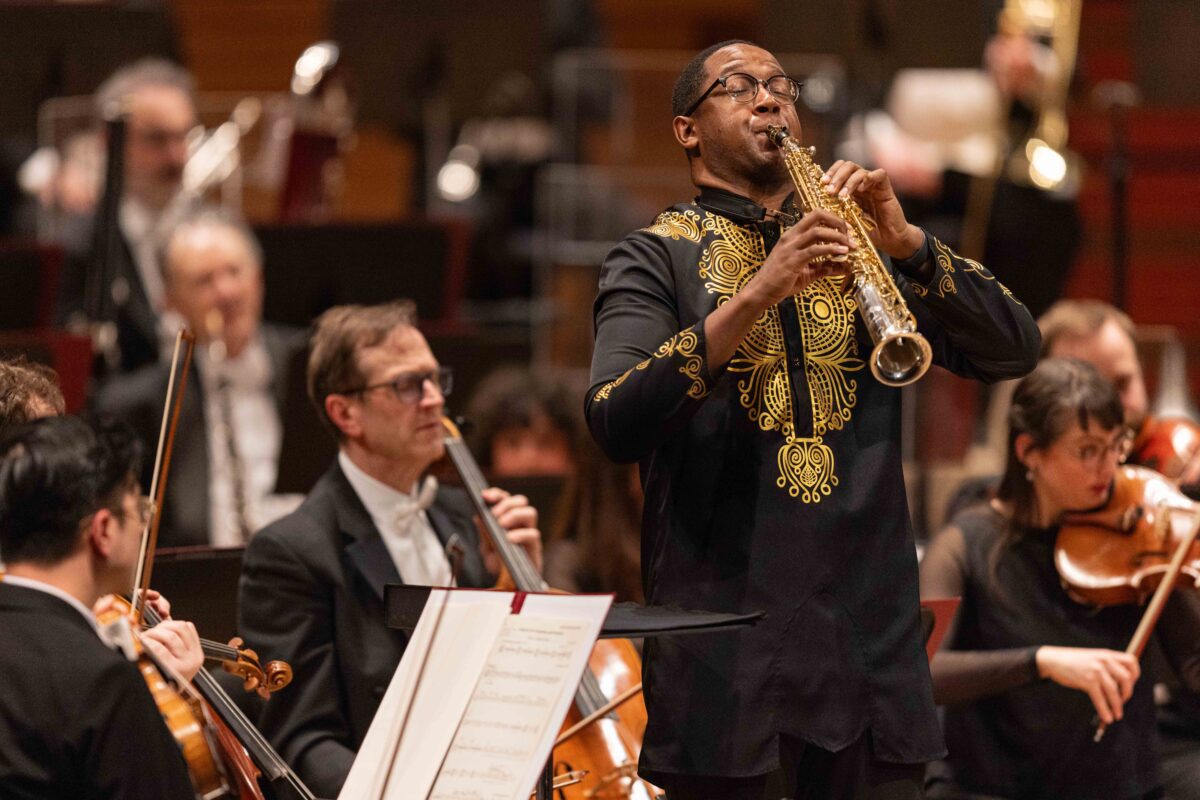
The concert continues with American saxophonist Steven Banks, who is visiting to perform composer Billy Childs’ saxophone concerto, Diaspora. The piece, which traces the exile of the African American people, illustrates a dark world rooted in fear and internal strife for this people sent by ship to America by slave traders.
Steven Banks’ performance lived up to expectations. Not only did the saxophonist deliver a series of virtuoso passages, but he also demonstrated great sensitivity during the cadences surrounding the three sections of the piece. After two dramatic movements, the work ends on a much more joyful note, illustrating the resilience of the African American people.
As for the second part of the concert, Rafael Payare continues his cycle of Mahler symphonies with the composer’s Fourth. If you are used to associating Mahler with drama, think again, because this is certainly not the case with this symphony. Here, Mahler uses a much more classical language than in some of his other works.
Payare, for his part, successfully illustrated the numerous changes in character, as well as the wide range of nuances required to bring the piece to life. The concert ended with the fourth movement, which featured soprano Nikola Hillebrand, who stepped in to replace Vuvu Mpofu, who was unable to attend. The German soprano gave a brilliant performance of this final movement, offering a particularly interesting vocal texture.
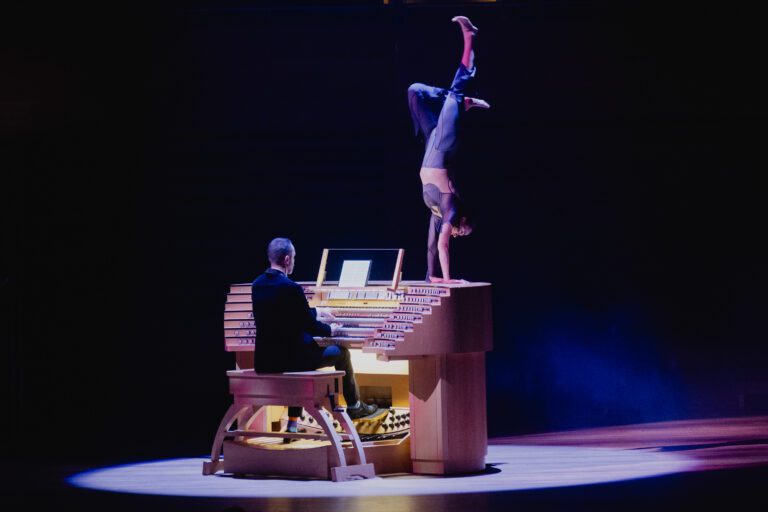
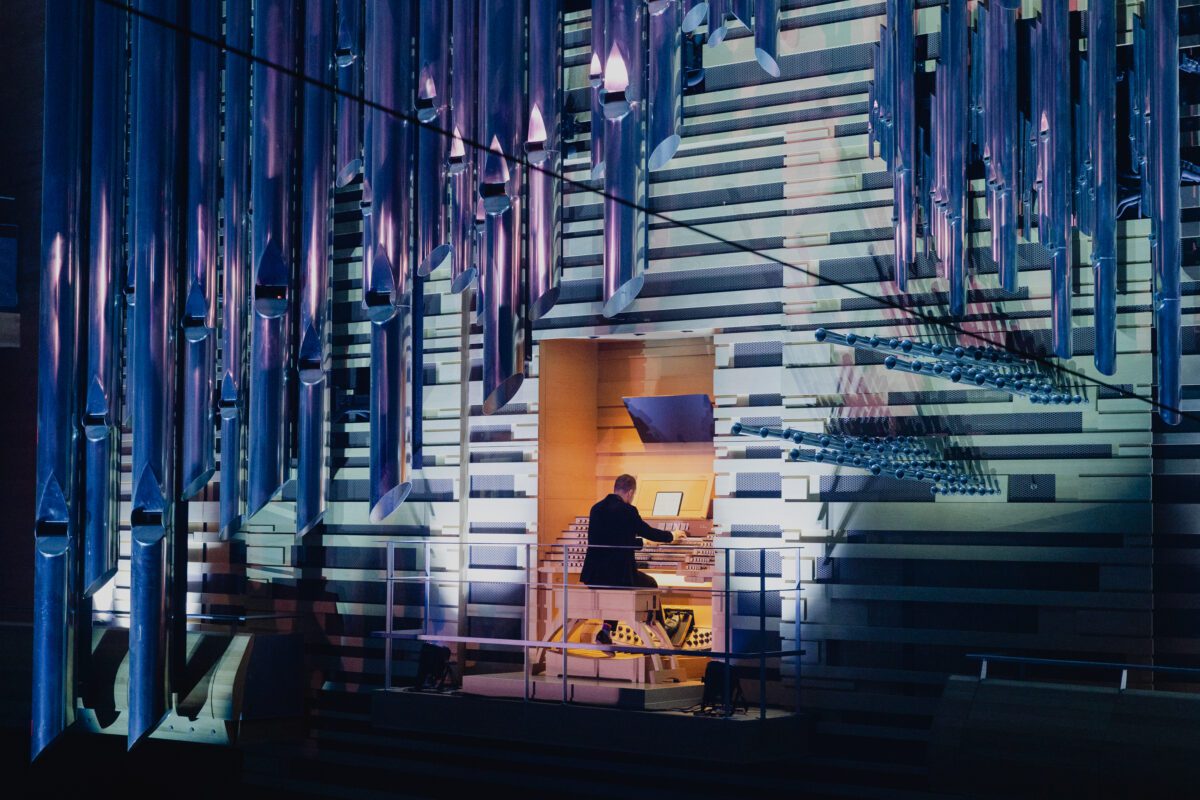
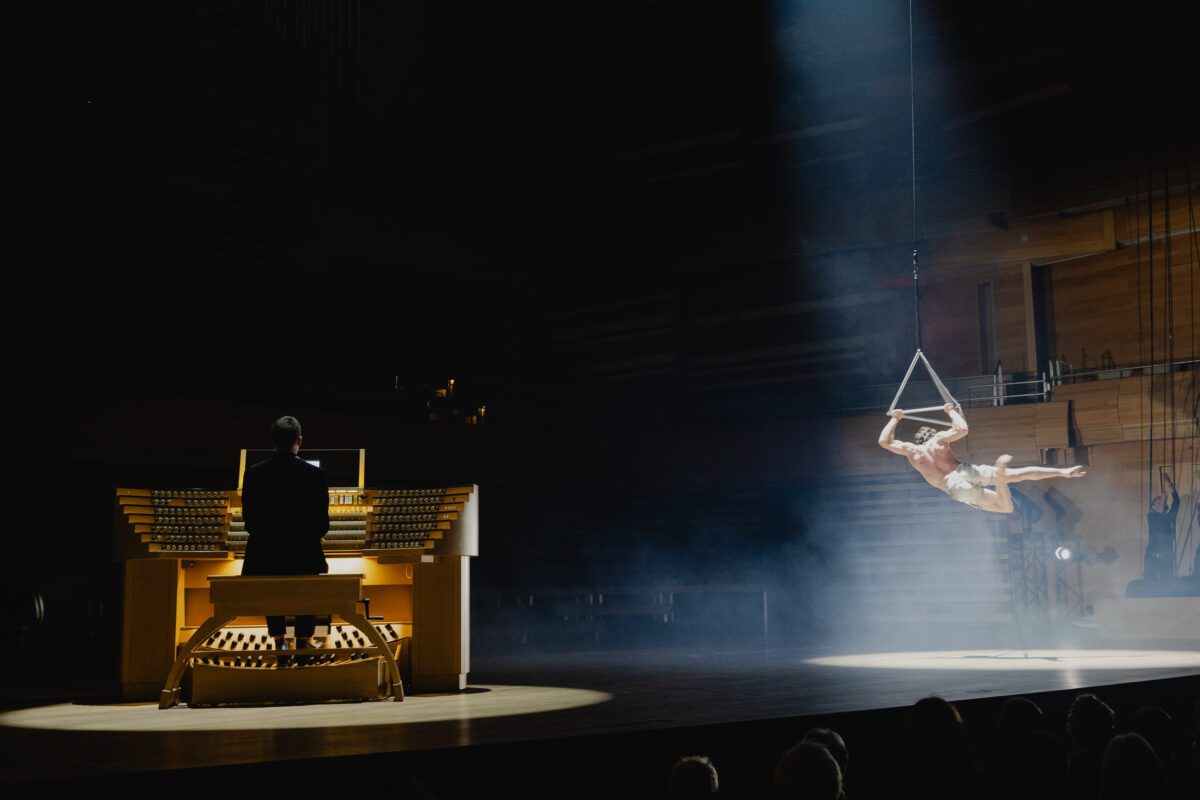
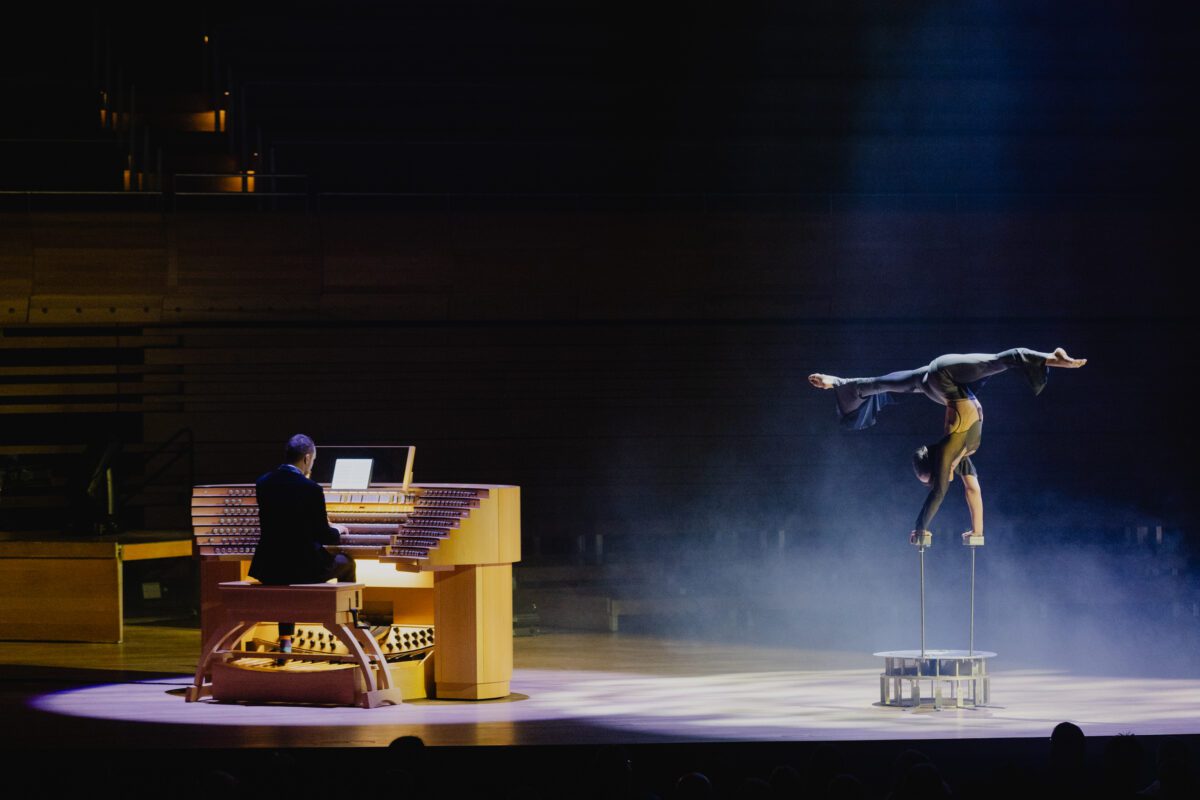
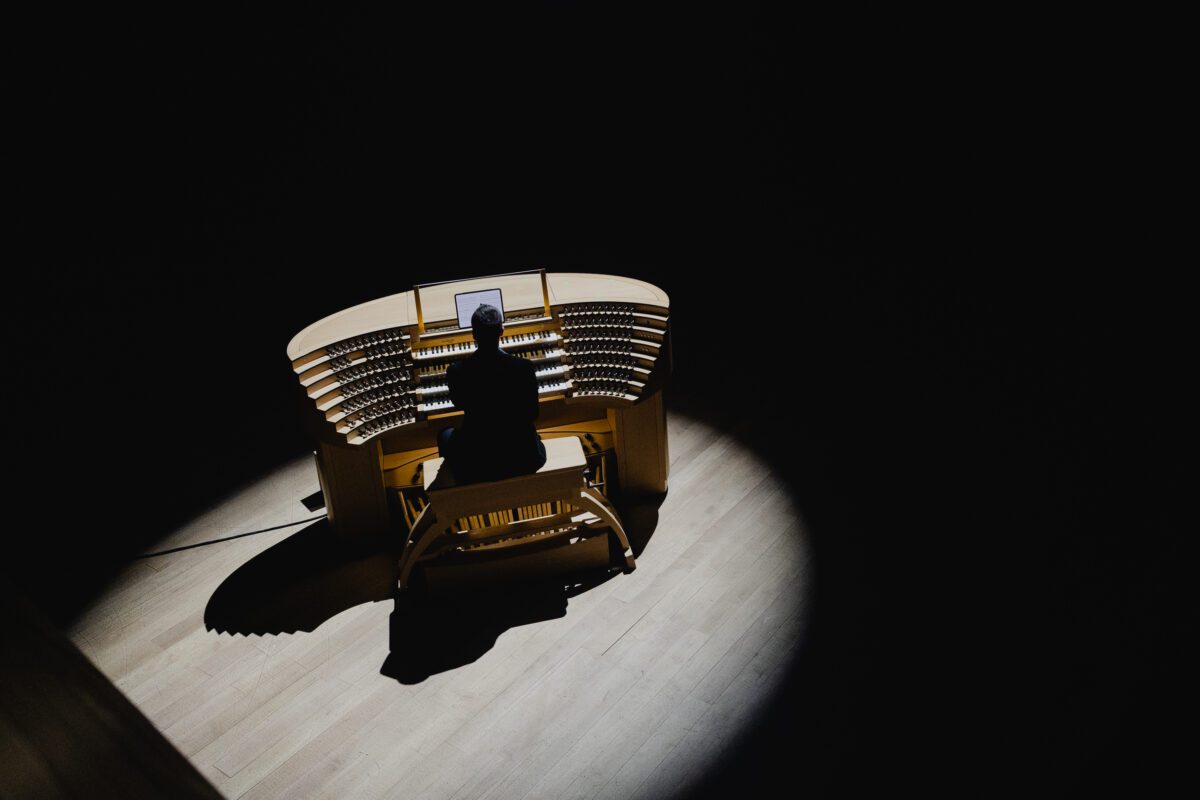
A very beautiful idea to combine the organ with the arts of the circus! At first glance, one might think that it is the organ that needs the acrobatics of the other to increase its visibility and popularity. But once seated in the packed Maison symphonique here in Montreal, and paying attention to the “vibe,” one realises that quite a few people were there to enjoy the organ and the music offered in the program. Particularly the excerpts from the music of the film Interstellar by Christopher Nolan, which Hans Zimmer memorably dressed with a score of minimalist/epic colours, where the organ takes a lot of space. On its own, this film music has contributed more than any “democratisation” activity to give a new “coolness” to the king of instruments.
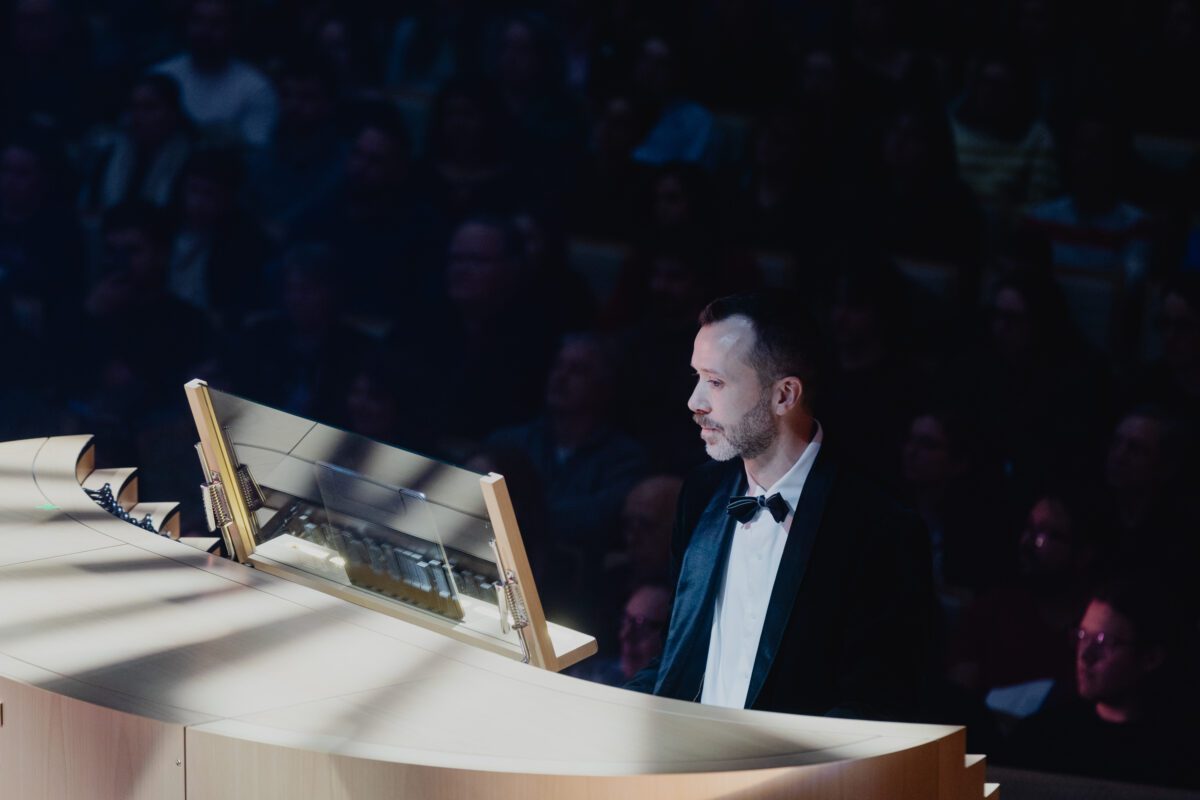
In short, the large audience seemed to be waiting for it. And there was no disappointment, the soloist Jean-Willy Kunz showcasing his most beautiful and grand gestures to powerfully fill the entire hall. The final resonance had no time to unfold before the thousands of people were already applauding.
100 years of organ music
Beyond this iconic music, the audience was able to hear a selected journey through the last hundred years at the organ: the Cortège et Litanie by Marcel Dupré (1922), the Banquet céleste (1928) by Messiaen, works by Philip Glass (Mad Rush and Études 6 and 8), Spiegel im spiegel by Arvo Pärt, and two pieces I was not familiar with: the Toccata Andromeda (1999) by Paul Halley and the very recent Limina Luminis (2023) by Olivia Belli.
Stellaire : l’orgue fait son cirque – crédit photo : Gabriel FournierStellaire : l’orgue fait son cirque – crédit photo : Gabriel FournierStellaire : l’orgue fait son cirque – crédit photo : Gabriel FournierStellaire : l’orgue fait son cirque – crédit photo : Gabriel FournierStellaire : l’orgue fait son cirque – crédit photo : Gabriel FournierStellaire : l’orgue fait son cirque crédit photo: Gabriel Fournier
Symbiotic acrobatics
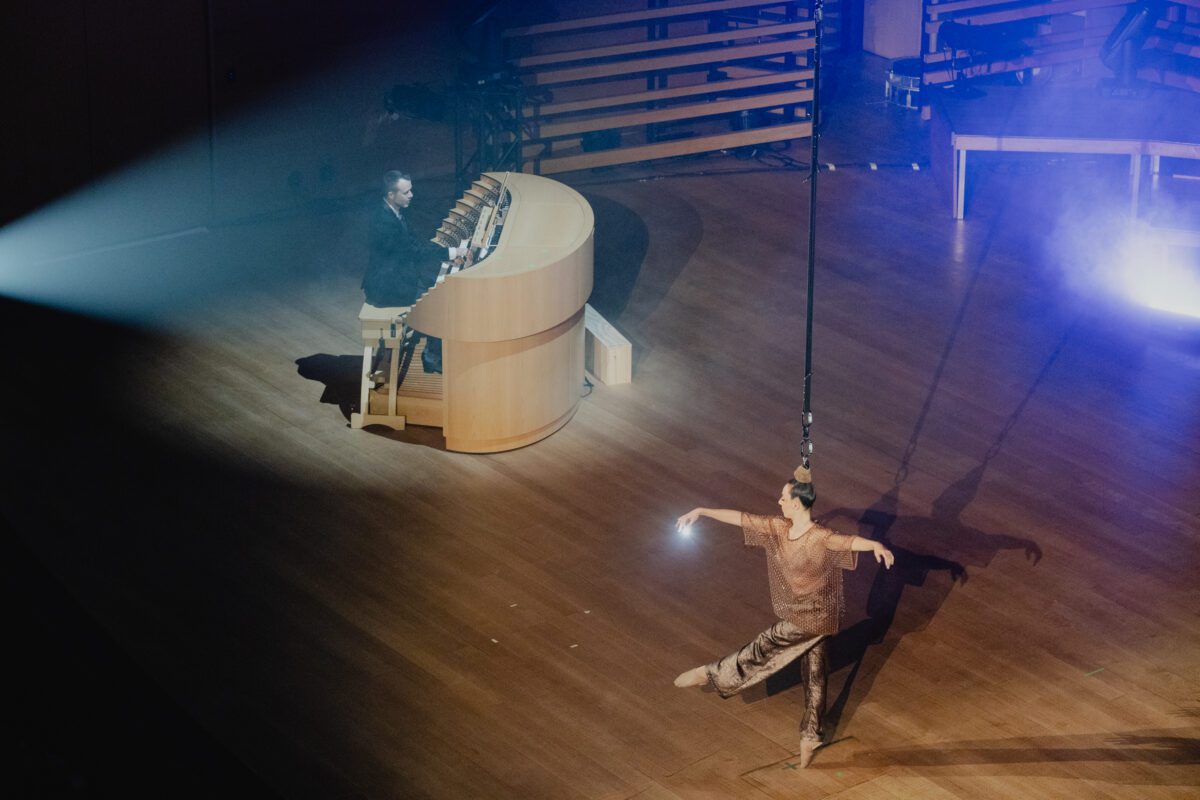
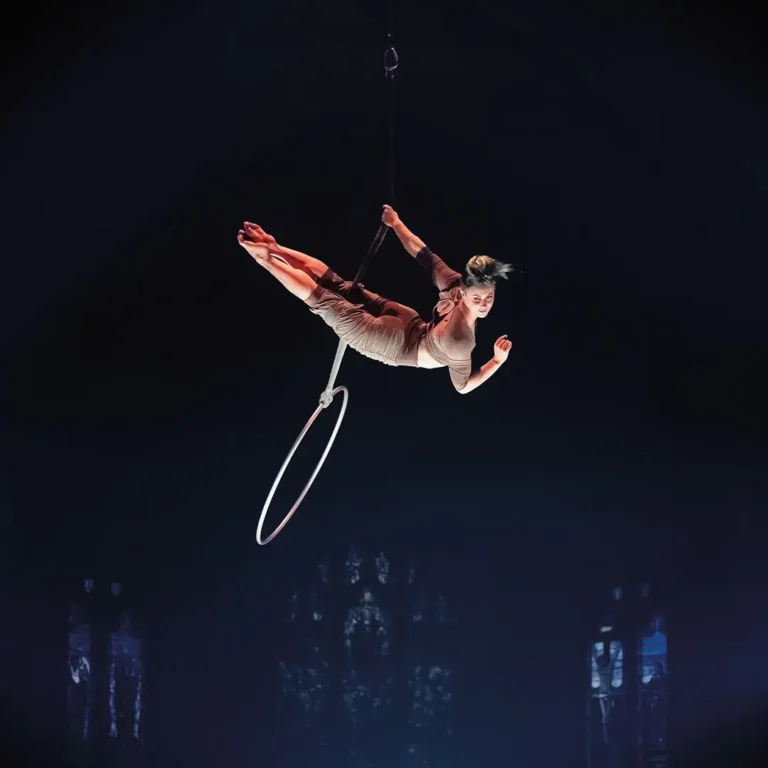
The acrobatics offered by Cirque Le Monastère were quite classic, but their union with the music brought a touch of often seductive poetry. I was particularly struck by the very beautiful hair suspension act on bungee, which, with Pärt’s ethereal music, lifted the audience with it into a very appealing and serene weightlessness. Also, the MultiLED cable act, in which Manolo Gonzalo twirled to a Glass Etude, had a rather attractive cyber-chic vibe.
The Cyr wheel number was perfectly suited to fit with Glass’s Mad Rush and its fluttering arpeggios in perfect harmony with the swirling rounds performed by artist Cléa Perion. Camille Tremblay dared to do something that probably no one had done before: a balancing act partly performed on the organ keyboard! Jean-Willy Kunz did not seem too thrown off by it. The finale, with all the artists gathered and Olivia Belli’s post-minimalist music, offered a satisfying conclusion.
The designers of the show had the good idea not to feel the need to accompany each piece with choreography. Thus, Cortège et Litanie, Le Banquet céleste, and part of Interstellar could be appreciated simply as music, played on stage by Jean-Willy Kunz. The organ therefore did not serve exclusively as a mere backdrop, but rather as an equal partner with the circus.
A beautiful idea, simple and effective, successfully executed.
OSM : López, Childs et Mahler – l’espoir au cœur de l’exil
by Rédaction PAN M 360
Bien que contrastées, les trois œuvres présentées au programme s’harmonisent autour d’une réflexion sur l’espoir face à la souffrance. López et Childs plongent au cœur de la douleur du déracinement et de la séparation, tandis que Mahler, en quête d’un Paradis unificateur, nous transporte vers une vision lumineuse des joies célestes de l’enfance. Un programme fascinant qui vous invite à réfléchir sur l’humanité, l’aspiration spirituelle et la beauté de la vie à travers la musique classique.
This program brings together three contrasting works, each exploring the theme of hope in the face of hardship. López and Childs delve into the pain of displacement and loss, while Mahler, in his quest for a transcendent refuge, paints a luminous picture of the heavenly joys of childhood. A compelling program that uses the power of classical music to inspire reflection on humanity, spiritual yearning, and the beauty of life.
Programme
Jimmy López, Perú Negro (17 min) Billy Childs, Diaspora, Concerto pour saxophone et orchestre (23 min) Gustav Mahler, Symphonie no 4 (54 min)
Program
Jimmy López, Perú Negro (17 min) Billy Childs, Diaspora, Concerto for Saxophone and Orchestra (23 min) Gustav Mahler, Symphony No. 4 (54 min)
Rachmaninov : le Concerto pour piano no 2 et Les Cloches à la Maison symphonique
by Rédaction PAN M 360
Vivez une soirée inoubliable de puissance et d’émotion avec deux chefs-d’œuvre de Sergueï Rachmaninov. Le Concerto pour piano no 2, l’une des œuvres les plus célèbres du répertoire, séduit par ses mélodies envoûtantes et son lyrisme intense, tandis que Les Cloches, fresque chorale spectaculaire inspirée d’Edgar Allan Poe, déploie une palette sonore riche et dramatique. Du romantisme ardent du concerto aux couleurs évocatrices et grandioses de Les Cloches, ce programme offre un voyage musical captivant, entre virtuosité, poésie et puissance orchestrale. Interprété par l’Orchestre Philharmonique et Chœur des Mélomanes sous la direction de Francis Choinière, ce concert met en vedette le pianiste de renommée internationale Alain Lefèvre, ainsi qu’une distribution vocale exceptionnelle incluant Sydney Baedke (soprano), Sam Champagne (ténor) et Mikelis Rogers (baryton).
Experience an unforgettable evening of power and emotion with two masterpieces by Sergei Rachmaninoff. The Piano Concerto No. 2, one of the most beloved works in the repertoire, captivates with its sweeping melodies and rich lyricism, while The Bells, a spectacular choral symphony inspired by Edgar Allan Poe, unfolds with vivid colors and dramatic intensity. From the passionate romanticism of the concerto to the evocative and monumental sound world of The Bells, this program offers a compelling musical journey of virtuosity, poetry, and orchestral brilliance. Performed by the Orchestre Philharmonique et Chœur des Mélomanes under the direction of Francis Choinière, this concert features internationally renowned pianist Alain Lefèvre, alongside an outstanding vocal cast including Sydney Baedke (soprano), Sam Champagne (tenor), and Mikelis Rogers (baritone).
Programme
Sergueï Rachmaninov, Concerto pour piano no 2 Sergueï Rachmaninov, Les Cloches
Program
Sergueï Rachmaninov, Piano Concerto No. 2 Sergueï Rachmaninov, The Bells
En route pour un voyage au milieu des étoiles où les arts du cirque jonglent habilement avec la multitude de sonorités du Grand Orgue Pierre-Béique. Découvrez ce spectacle inédit au son des musiques de Philip Glass et de la spectaculaire Suite Interstellar de Hans Zimmer. Ouvrez grand vos yeux et vos oreilles!
Embark on a journey to the stars in this unique concert where the circus arts seamlessly blend with the majestic sounds of the Grand Orgue Pierre-Béique. Immerse yourself in this extraordinary spectacle, accompanied by the music of Philip Glass and Hans Zimmer’s awe-inspiring Interstellar Suite. A true feast for the eyes and the ears!
OM : Drôlement débrouillards à la Maison symphonique
by Rédaction PAN M 360
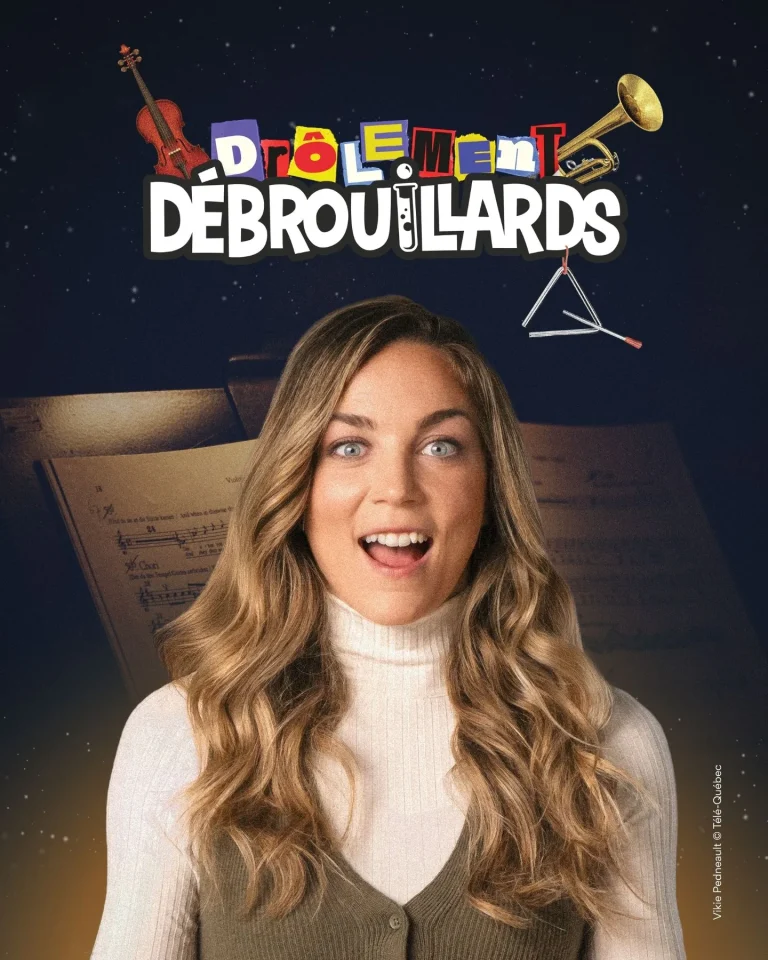
Entrez dans l’univers de Drôlement débrouillards avec la biologiste et humoriste Vikie Pedneault. La Maison symphonique est le prochain terrain de jeu de l’animatrice attachante de Télé-Québec! C’est avec l’Orchestre Métropolitain qu’elle se débrouillera pour faire vivre au public de grandes émotions, en dirigeant pour la première fois un orchestre symphonique, son rêve ultime! Y parviendra-t-elle? Drôlement amusante et scientifiquement rigoureuse, Vikie sera aidée de son complice Benoit Gauthier pour apprendre à faire vibrer 60 musiciens d’un même souffle… en évitant les fausses notes. Alliant grands classiques et surprises éclatantes, ce concert saura égayer jeunes et moins jeunes. Spectacle en français recommandé pour les enfants de 6 à 12 ans.
Step into the world of Drôlement débrouillards with biologist and comedian Vikie Pedneault, as the Maison symphonique becomes the beloved Télé-Québec host’s next playground. For the first time, she will conduct a symphony orchestra, her ultimate dream, leading the OM in a performance filled with emotion. Will she succeed? With her quick wit and scientific precision, Vikie will work with Benoit Gauthier to make 60 musicians vibrate as one… and avoid any wrong notes! Combining classics and brilliant surprises, this concert will delight audiences of all ages. Performance in French recommended for children aged 6 to 12.
Programme
SAUGUETI, Prologue SMETANA, Ouverture BARTÓKII, Giuoco delle coppie BRAHMS, Danse hongroise nº 5 PRICEI, Allegretto CLYNE, Restless Oceans TCHAÏKOVSKI, Roméo et Juliette COULTHARDII, The Contented House
Program
SAUGUETI, Prologue SMETANA, Ouverture BARTÓKII, Giuoco delle coppie BRAHMS, Hungarian Dance No. 5 PRICEI, Allegretto CLYNE, Restless Oceans TCHAIKOVSKY, Romeo and Juliet COULTHARDII, The Contented House
OSM : L’imaginaire symphonique de Richard Strauss – 2
by Rédaction PAN M 360
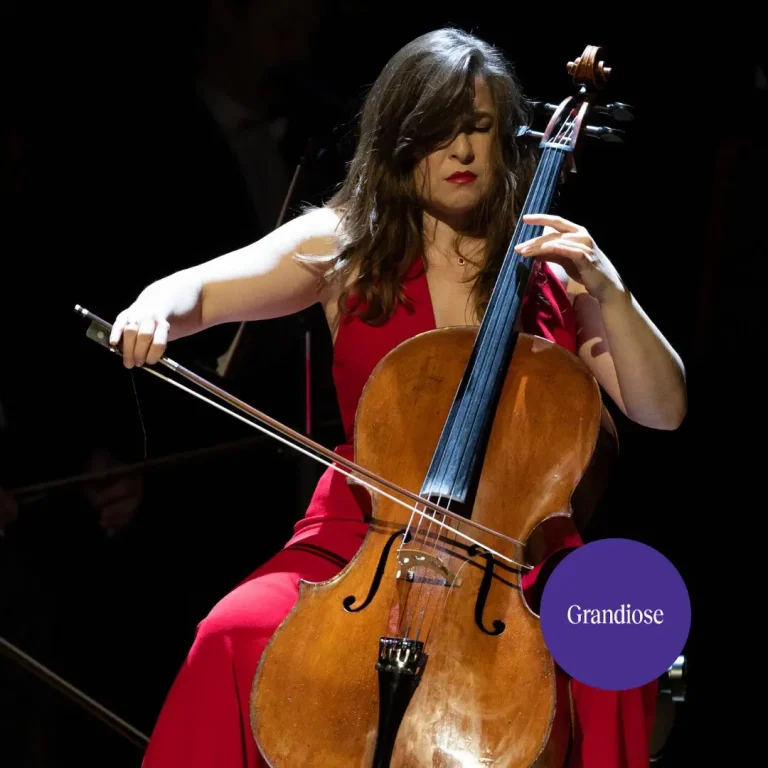
Entre réflexion métaphysique et éclats de fantaisie, ce programme révèle toute la richesse dramatique de Strauss. Mort et transfiguration élève la soirée dans une fresque poignante où l’âme, au seuil de la mort, trouve l’apaisement dans la lumière. Avec Till l’espiègle, le ton change : traits incisifs, rythmes bondissants, humour orchestral irrésistible. Puis vient Don Quixote, dont les variations prennent une rare intensité expressive grâce au violoncelle d’Alisa Weilerstein, magnifiquement soutenue par Rafael Payare. Une autre mouture de ce concert est proposée, incluant notamment Don Juan plutôt que Till l’espiègle.
Programme
Richard Strauss, Mort et transfiguration, op.24 (23 min) Richard Strauss, Till l’Espiègle, TrV 171, op. 28 (17 min) Richard Strauss, Don Quixote, TrV 184, op. 35 (38 min)
Program
Richard Strauss, Death and Transfiguration, op.24 (23 min) Richard Strauss, Till Eulenspiegel’s Merry Pranks, op. 28, TrV 171 (17 min) Richard Strauss, Don Quixote, TrV 184, op. 35 (38 min)
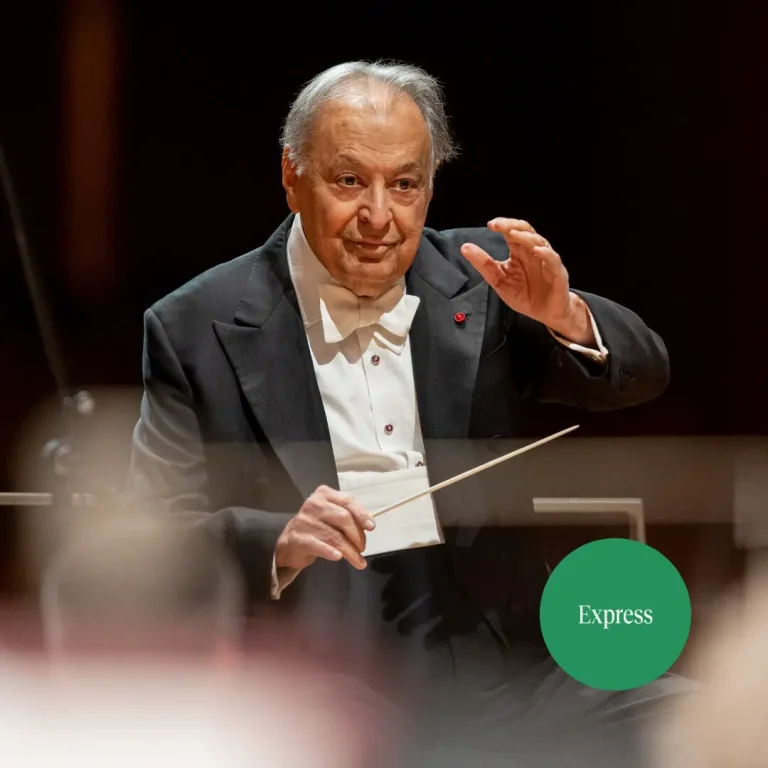
Lorsque Zubin Mehta lève la baguette, c’est tout un monde sonore qui s’élève. Chef légendaire et figure emblématique de l’OSM, il revient diriger la monumentale Symphonie n° 8 de Bruckner, véritable cathédrale de sons et de lumière. Œuvre de foi, de grandeur et de vertige, cette symphonie déploie des paysages intérieurs d’une intensité rare – un voyage entre recueillement et éclat mystique. Sous la direction majestueuse de Mehta, chaque crescendo devient prière, chaque silence, une respiration d’éternité. Un moment suspendu où l’art du chef et la puissance de l’Orchestre se rencontrent dans une expérience aussi spirituelle que symphonique.
When Zubin Mehta raises the baton, an entire sonic world unfolds. A legendary conductor and iconic figure of the OSM, he returns to lead Bruckner’s monumental Eighth Symphony—a true cathedral of sound and light. A work of faith, grandeur, and vertigo, this symphony reveals inner landscapes of rare intensity—a journey between contemplation and mystical radiance. Under Mehta’s majestic direction, every crescendo becomes a prayer, every silence a breath of eternity. A suspended moment where the art of the conductor and the power of the Orchestra converge in an experience as spiritual as it is symphonic.
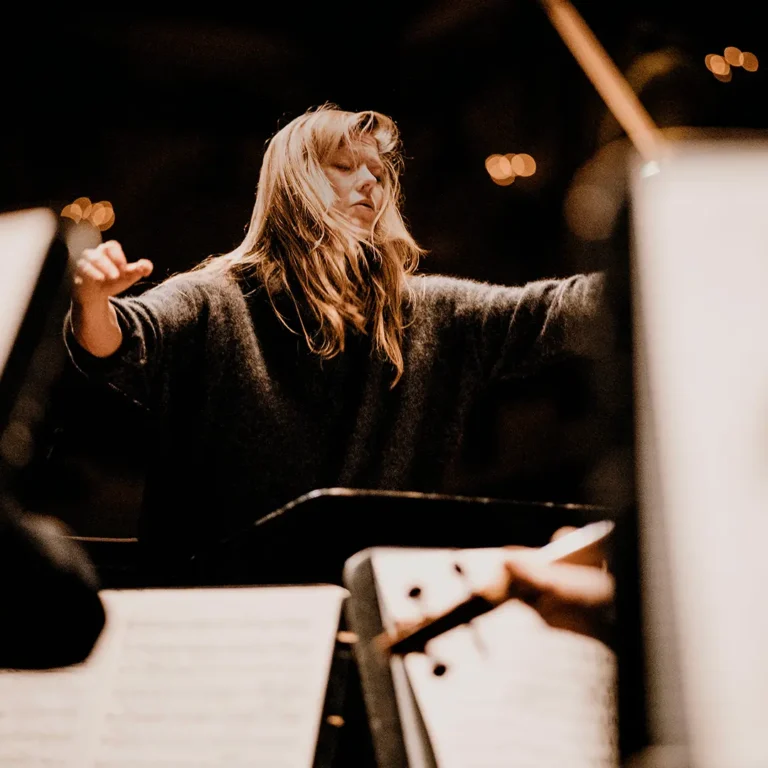
Lors de ce concert éclaté, Barbara Hannigan vous réserve quelques surprises. Musique et danses sont au rendez-vous en compagnie d’œuvres d’Offenbach, Weill, Glenn Miller, ainsi que d’autres choisies par Barbara Hannigan, pour vous faire passer une soirée haute en couleur!
Barbara Hannigan has some exciting surprises lined up for you in this edition of the Concerts éclatés series. Prepare for a vibrant and unforgettable evening where music and dance take centre stage, featuring works by Offenbach, Weill, Glenn Miller, and other carefully curated selections chosen by the conductor herself.
Programme
Jacques Offenbach, Gaîté parisienne (arr. M. Rosenthal), extraits (25 min) Et autres œuvres de Glenn Miller, Frederick Loewe, Kurt Weill, etc.
Program
Jacques Offenbach, Gaîté parisienne (arr. M. Rosenthal), excerpts (25 min) And other works by Glenn Miller, Frederick Loewe, Kurt Weill, etc.