Jazz / musique de film

Le Noël de Charlie Brown symphonique à la Maison symphonique

by Rédaction PAN M 360

À l’occasion du 50e anniversaire de la disparition du légendaire pianiste et compositeur de jazz Vince Guaraldi, l’Orchestre du Festival Classica, en compagnie de la pianiste renommée Lorraine Desmarais et de son trio jazz, vous invite à célébrer les Fêtes avec Le Noël de Charlie Brown, en version symphonique. Les célèbres mélodies issues de l’album A Charlie Brown Christmas prennent une ampleur nouvelle grâce à des arrangements originaux, conçus pour mettre en valeur la rencontre unique entre un trio jazz, un orchestre symphonique et un chœur d’enfants. Ce concert est l’occasion idéale de vous plonger dans la douceur et la nostalgie de cette œuvre emblématique du temps des Fêtes. Un événement magique à partager en famille et entre amis.

To mark the 50th anniversary of the passing of the legendary jazz pianist and composer Vince Guaraldi, the Festival Classica Orchestra, joined by renowned pianist Lorraine Desmarais and her jazz trio, invites you to celebrate the holiday season with A Charlie Brown Christmas, in a symphonic version. The beloved melodies from the album A Charlie Brown Christmas take on a new dimension through original arrangements crafted to highlight the unique collaboration between a jazz trio, a symphony orchestra, and a children’s choir. This concert is the perfect opportunity to immerse yourself in the warmth and nostalgia of this iconic holiday classic—a magical event to share with family and friends.

POUR ACHETER VOTRE BILLET, C’EST ICI!

Ce contenu provient de la Place des Arts et est adapté par PAN M 360

classique

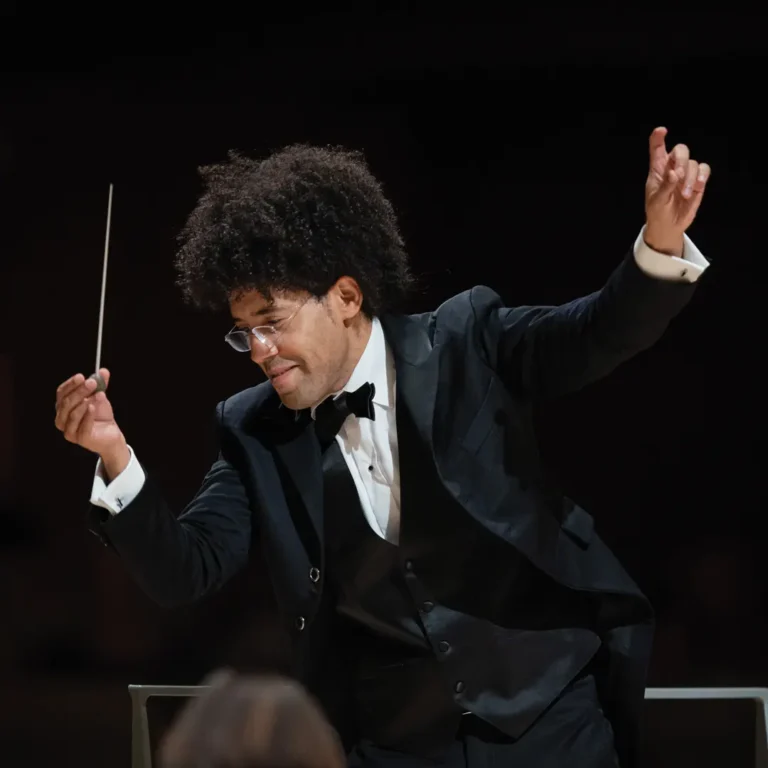
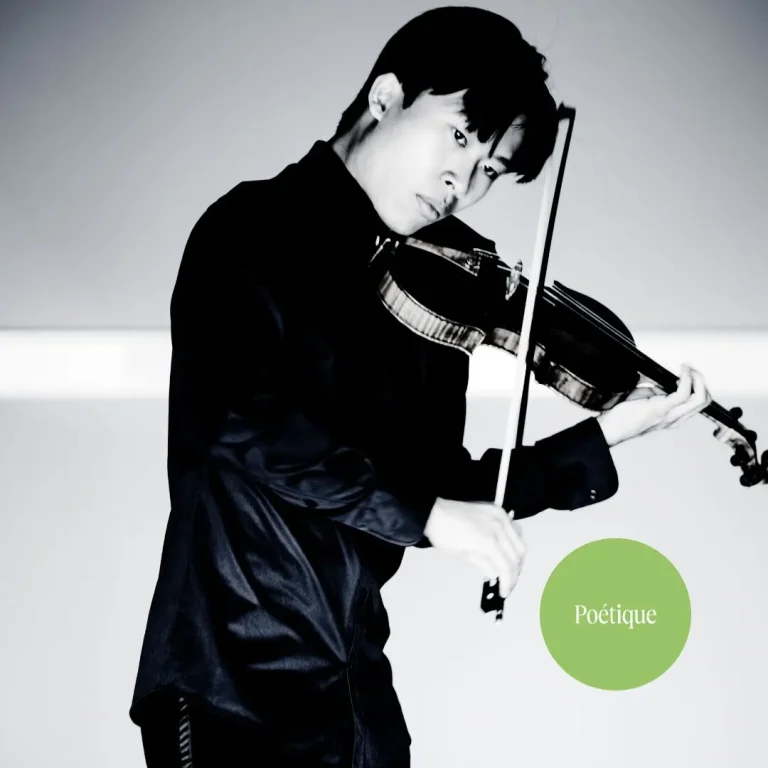
OSM : Labadie, Faust et les grands classiques viennois

by Rédaction PAN M 360

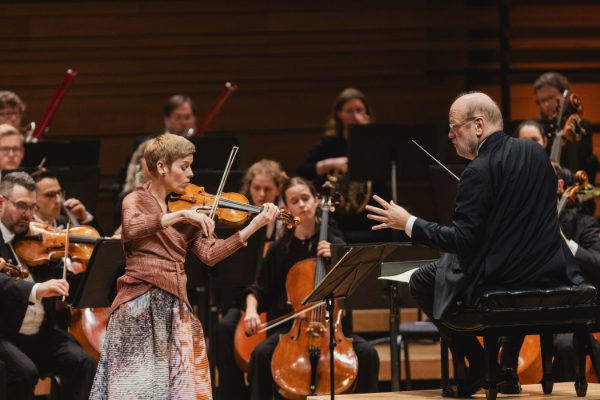
Deux grands interprètes sont réunis dans un programme consacré à deux figures emblématiques du classicisme viennois : Beethoven et Haydn. Ce dernier rompt audacieusement avec les conventions dans sa Symphonie n°103, tandis que Beethoven infuse une expressivité romantique dans son Concerto pour violon. Les mystérieuses interventions des timbales, qui ouvrent les deux œuvres, tissent un dialogue fascinant et surprenant offrant au public une expérience riche et inoubliable. Ne manquez pas cette occasion de redécouvrir deux des plus grands compositeurs de l’histoire de la musique.

Two great performers come together for a concert dedicated to two iconic figures of Viennese classicism—Beethoven and Haydn. With his Symphony No. 103, Hadyn made an ambitious break with convention, while Beethoven’s Violin Concerto is full of romantic expressiveness. Both works open with mysterious-sounding timpani passages, creating a captivating dialogue that is always appreciated by audiences. Don’t miss your chance to rediscover two of the greatest composers of all time!

Programme

Joseph Haydn, Symphonie no 103, Hob. I : 103, « Roulement de timbales » (30 min)
Ludwig van Beethoven, Concerto pour violon, op. 61 (42 min)

Program

Joseph Haydn, Symphony No. 103, Hob. I:103 (“Drum Roll”) (30 min)
Ludwig van Beethoven, Concerto for Violin, Op. 61 (42 min)

POUR ACHETER VOTRE BILLET, C’EST ICI!

Ce contenu provient de l’Orchestre symphonique de Montréal et est adapté par PAN M 360
classique / post-romantique

OSM : Ainsi parlait Zarathoustra

by Rédaction PAN M 360

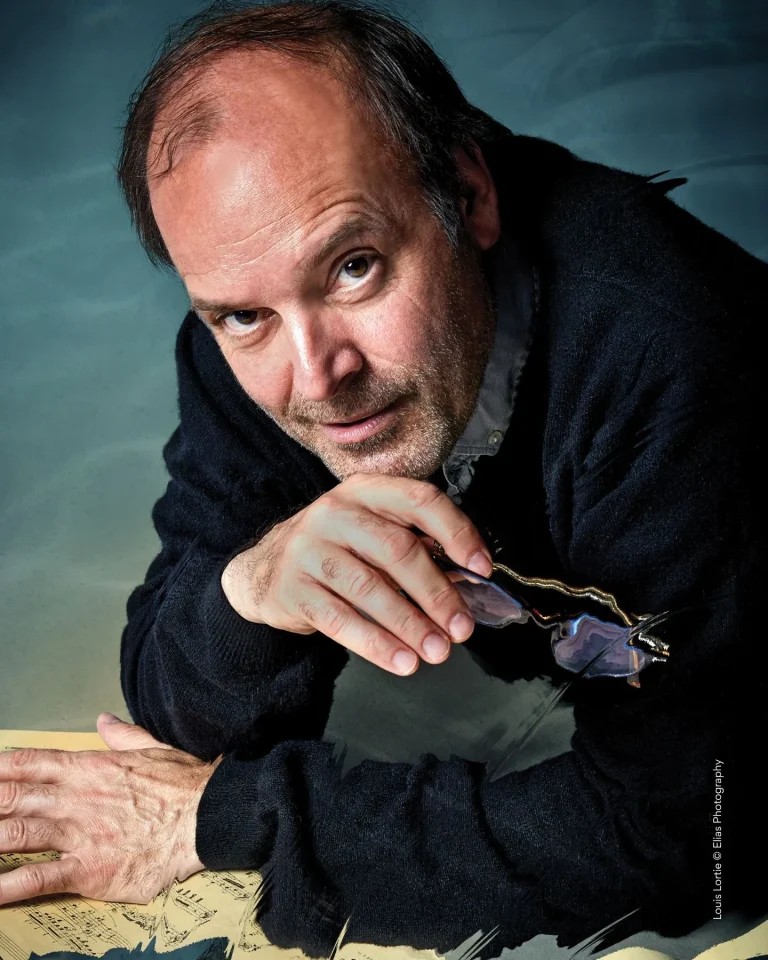
Brian Manker et James Box sortent des rangs de l’Orchestre pour offrir des performances époustouflantes en tant que solistes. Ce programme fascinant explore des œuvres marquées par des influences philosophiques et spirituelles où Strauss, Wagner, Bloch et Moussa nous introduisent, à leur façon, à des thématiques profondes. L’œuvre de Strauss est un poème symphonique inspiré du livre philosophique de Friedrich Nietzsche. Son introduction majestueuse utilisée dans le film 2001: l’Odyssée de l’espace de Stanley Kubrick est devenue mondialement célèbre. Un concert incontournable, alliant musique saisissante, réflexion captivante et maîtrise impressionnante.

Brian Manker and James Box step out of their usual roles in the orchestra to deliver breathtaking performances as soloists. The program features works shaped by philosophical and spiritual influences, as Strauss, Wagner, Bloch, and Moussa each explore profound themes in their own unique way. Strauss’ piece, a symphonic poem inspired by Friedrich Nietzsche’s philosophical work Thus Spoke Zarathustra, opens with a majestic introduction made world-famous by Stanley Kubrick’s 2001: A Space Odyssey. An unmissable concert bringing together striking music, deep reflection, and masterful artistry.

Programme

Richard Wagner, Tannhäuser : « Ouverture » (12 min)
Samy Moussa, Concerto pour trombone « Yericho » (25 min)
Ernest Bloch, Schelomo, Rhapsodie hébraïque pour violoncelle et orchestre, B. 39 (20 min)
Richard Strauss, Ainsi parlait Zarathoustra, op. 30, TrV 176 (33 min)

Program

Richard Wagner, Tannhäuser, Overture (12 min)
Samy Moussa, Concerto for Trombone (“Yericho”) (25 min)
Ernest Bloch, Schelomo: Rhapsodie Hébraïque for Violoncello and Orchestra, B. 39 (20 min)
Richard Strauss, Thus Spoke Zarathustra, Op. 30, TrV 176 (33 min)

POUR ACHETER VOTRE BILLET, C’EST ICI!

Ce contenu provient de l’Orchestre symphonique de Montréal et est adapté par PAN M 360
Baroque / Contemporary / Tango Nuevo

Les Quatre Saisons : de Vivaldi à Dompierre à la Maison symphonique

by Rédaction PAN M 360

La flamboyante virtuose Isabella d’Éloize Perron ne manquera pas d’impressionner lors d’une nouvelle série de concerts passionnants. Interprété par l’Orchestre FILMharmonique sous la direction de Francis Choinière, Les Quatre Saisons de Vivaldi sera porté par un souffle de jeunesse, alors que Les Quatre Saisons de Buenos Aires, signé Astor Piazzolla, nous plongera dans l’univers sensuel du tango argentin. Aussi en primeur pour cette tournée sera la première mondiale de Les Quatre Saisons du Québec du célèbre compositeur François Dompierre.

The dazzling virtuoso Isabella d’Éloize Perron is sure to impress in a thrilling new series of concerts. Performed by the FILMharmonique Orchestra under the baton of Francis Choinière, Isabella’s rendition of Vivaldi’s The Four Seasons is a breath of fresh air, while her fiery take on Astor Piazzolla’s The Four Seasons of Buenos Aires is an immersive experience, plunging audiences into the sensual universe of Argentine tango. Also premiering on this tour is the world premiere of The Four Seasons of Quebec by renowned composer, François Dompierre.

Programme

-Les Quatre Saisons par Antonio Vivaldi (43 min)
-Les Quatre Saisons de Buenos Aires par Astor Piazzolla (27 min)
-Les Quatre Saisons du Québec par François Dompierre (25 min)

Program

-The Four Seasons by Antonio Vivaldi (43 min)
-The Four Seasons of Buenos Aires by Astor Piazzolla (27 min)
-The Four Seasons of Quebec by François Dompierre (25 min)

POUR ACHETER VOTRE BILLET, C’EST ICI!

Ce contenu provient de la Place des Arts et est adapté par PAN M 360

Classical Singing / classique / musique de chambre

Festival de musique de chambre de Montréal : Schubertiade à la Maison symphonique

by Rédaction PAN M 360

En clôture du Festival à la Maison symphonique de Montréal, seize musiciens se réunissent sur scène et célèbrent Schubert dans toute sa force expressive. Du Quintette pour piano et cordes « La Truite » à « La jeune fille et la mort », ces œuvres emblématiques traversent la lumière, la fragilité et la tension qui façonnent son univers. Portée par la présence collective des interprètes, le Barbican Quartet, la soprano Donna Brown, le pianiste Illia Ovcharenko, l’altiste Victor Fournelle-Blain, et le violoncelliste Denis Brott, cette Schubertiade promet une soirée inoubliable.

Sit onstage with the musicians for Schubert in its most intimate form: soprano Donna Brown performing The Trout, followed by the Trout Quintet and Death and the Maiden, arranged by Mahler for 16 strings. Performers include Illia Ovcharenko, pianist, the Barbican Quartet, violist Victor Fournelle-Blain and cellist Denis Brott.

POUR ACHETER VOTRE BILLET, C’EST ICI!

Ce contenu provient du Festival de musique de chambre de Montréal et est adapté par PAN M 360

acadie / classique / Folk

OSM : Salebarbes rencontre l’OSM

by Rédaction PAN M 360

Lancer une invitation à Salebarbes c’est comme s’assurer que le party va lever !  L’année 2025 de ce groupe aura été spectaculaire et l’OSM est heureux de les accueillir sur scène en ouverture de sa série OSM Pop pour couronner en version symphonique leur immense succès.  Sous la direction de la cheffe Dina Gilbert et des arrangements symphoniques d’Antoine Gratton, préparez-vous à vous à taper du pied et à vivre une soirée dont vous vous souviendrez longtemps.

Throwing an invitation to Salebarbes is like making sure that the party will rise! The year 2025 of this group has been spectacular and the OSM is happy to welcome them on stage at the opening of its Pop series, to celebrate their huge success in a symphonic version. Under the direction of conductor Dina Gilbert and with symphonic arrangements by Antoine Gratton, get ready to kick your feet and live an evening you will remember for a long time.

POUR ACHETER VOTRE BILLET, C’EST ICI!

Ce contenu provient de l’Orchestre symphonique de Montréal et est adapté par PAN M 360
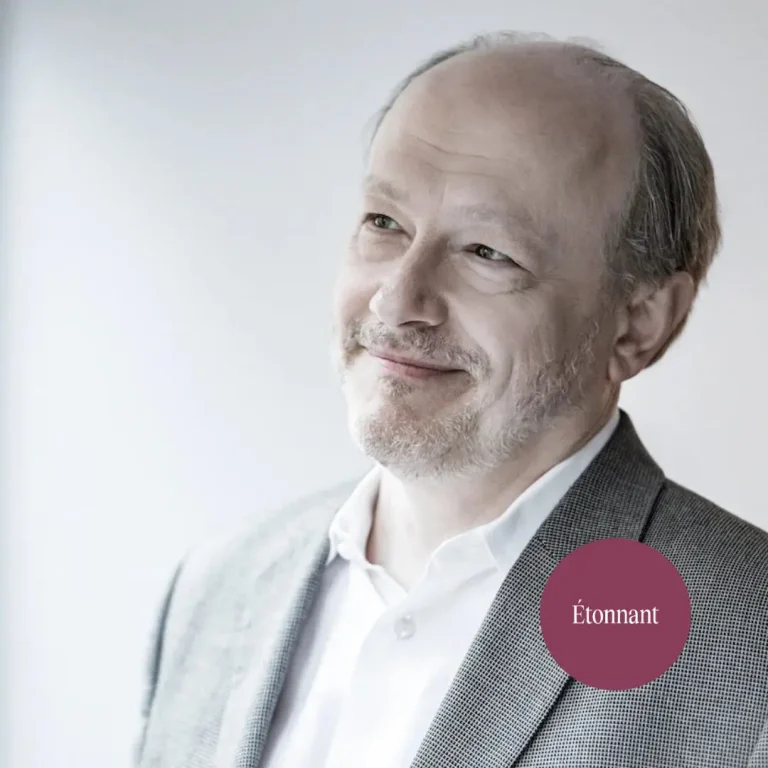
classique / période romantique

OSM : Brahms & Dvořák – splendeur du romantisme

by Rédaction PAN M 360

López rend un vibrant hommage à la Finlande à travers son poème symphonique Aino, tandis que Dvořák affirme avec éclat son identité slave en insérant, pour la première fois, une danse folklorique dans sa Symphonie n°6. Enfin, laissez-vous envoûter par le légendaire Concerto pour violon de Brahms, un monument du répertoire, magistralement interprété par le violoniste mondialement reconnu James Ehnes.

López’s symphonic poem Aino is a beautiful tribute to Finland, while Dvořák affirms his Slavic identity in his Symphony No. 6 by using material from a Slavic folk dance for the first time. Finally, let yourself be enchanted by Brahms’ legendary Violin Concerto, a mainstay of the instrument’s repertoire, which will be masterfully performed by the internationally acclaimed violinist James Ehnes.

Programme

Jimmy López, Aino (14 min)
Johannes Brahms, Concerto pour violon, op. 77 (35 min)
Antonín Dvořák, Symphonie no 6, op. 60, B. 112 (41 min)

Program

Jimmy López, Aino (14 min)
Johannes Brahms, Concerto for Violin, Op. 77 (35 min)
Antonín Dvořák, Symphony No. 6, Op. 60, B. 112 (41 min)

POUR ACHETER VOTRE BILLET, C’EST ICI!

Ce contenu provient de l’Orchestre symphonique de Montréal et est adapté par PAN M 360
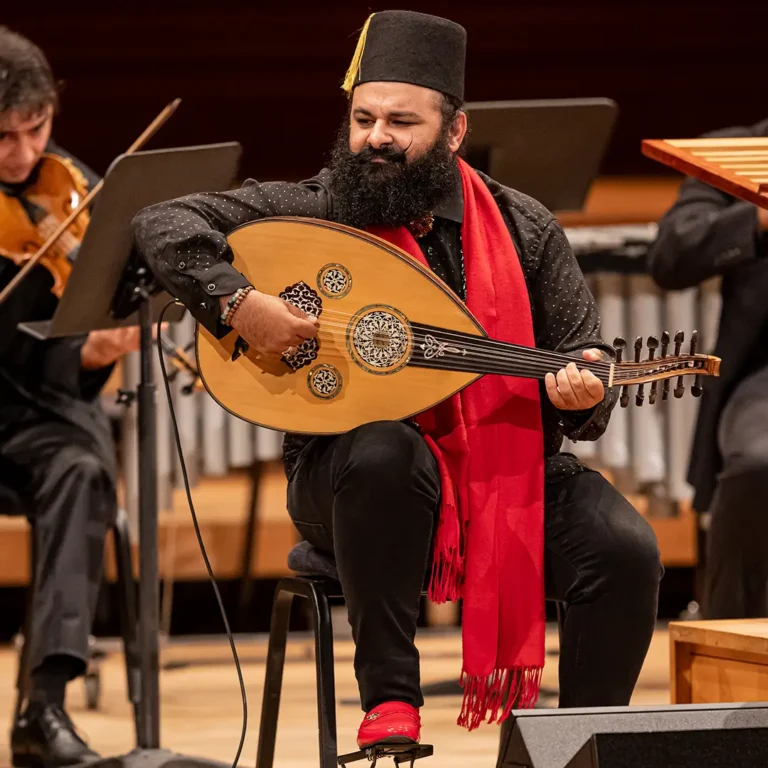
musique de film / orchestre

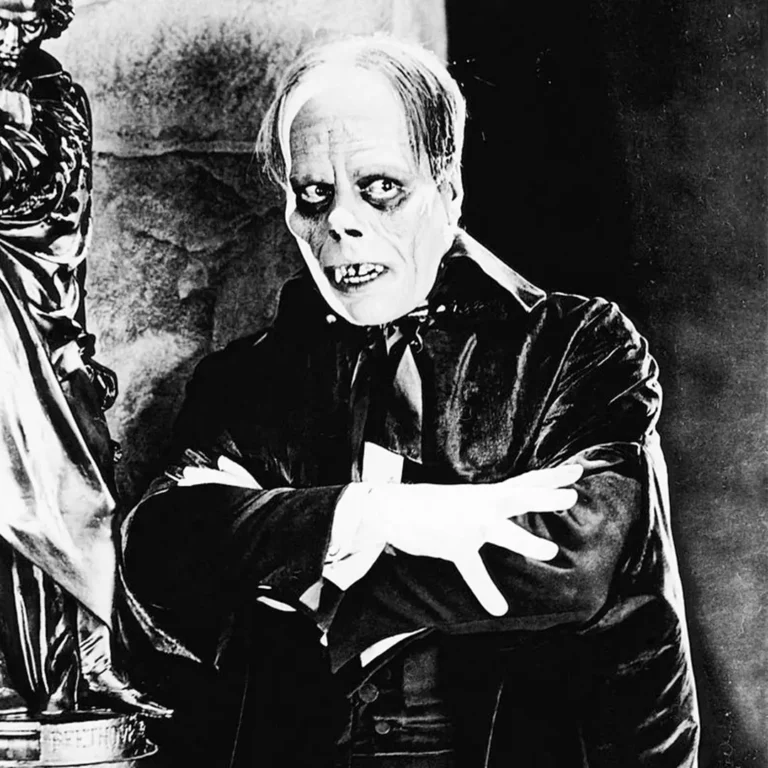
OSM : L’œuvre de Tim Burton, L’Étrange Noël de Monsieur Jack, en ciné-concert

by Rédaction PAN M 360

Bienvenue dans un monde où les citrouilles chantent et où la neige tombe sur l’impossible. L’Étrange Noël de Monsieur Jack, film d’animation devenu culte et couronné de deux Saturn Awards, déploie une féerie délicieusement décalée. Fasciné par Noël, Jack Skellington, roi des Citrouilles, rêve d’en capturer la magie pour l’offrir à la ville d’Halloween. « Que vois-je ? Du rouge, du bleu, du vert… des flocons blancs dans l’air ! » Entre émerveillement et chaos, son aventure prend vie grâce à la musique envoûtante de Danny Elfman, portée ici par l’OSM. Un voyage scintillant, entre ombre et lumière, où l’étrangeté se pare de merveilleux. Film présenté en version originale en anglais avec sous-titres en français.

Welcome to a world where pumpkins sing and snow falls on the impossible. The Nightmare Before Christmas—a stop‑motion animated film that has become a cult classic and earned two Saturn Awards—unfolds in a delicately off‑kilter enchantment. Fascinated by Christmas, Jack Skellington, the Pumpkin King, dreams of capturing its magic and bringing it back to Halloween Town. Awestruck by the colours and the swirling snowflakes around him, he marvels at a world unlike anything he has ever known. Between wonder and chaos, his adventure comes to life through Danny Elfman’s spellbinding music, performed here by the OSM. A shimmering journey between shadow and light, where strangeness takes on a touch of the miraculous. Original version in English, with French subtitles

POUR ACHETER VOTRE BILLET, C’EST ICI!

Ce contenu provient de l’Orchestre symphonique de Montréal et est adapté par PAN M 360
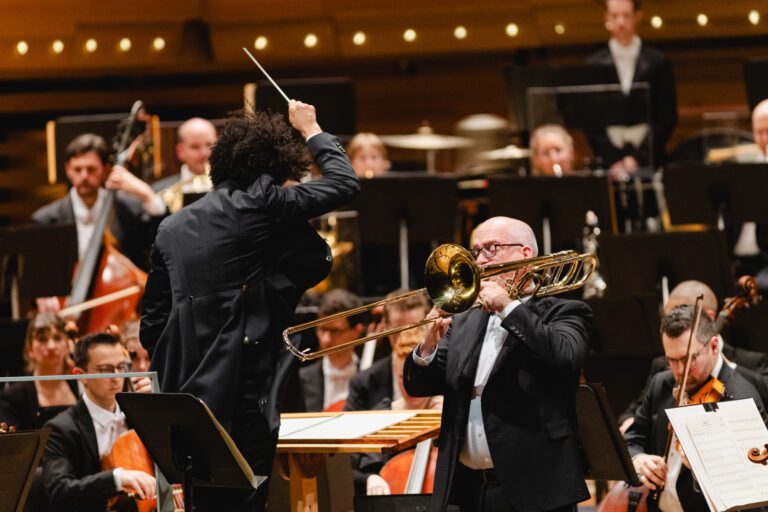
classique / période romantique

OSM : La damnation de Faust – quête de jeunesse éternelle

by Rédaction PAN M 360

Après avoir enflammé le public avec la Symphonie fantastique de Berlioz lors de sa dernière tournée européenne, Rafael Payare dirige La damnation de Faust. Cette œuvre magistrale de Berlioz, inspirée d’une légende dramatique de Goethe, se distingue par sa puissance orchestrale et son expressivité narrative. Elle suit le destin tragique de Faust qui fait un pacte avec Méphistophélès en échange du bonheur et de l’amour de Marguerite. Cette alliance précipite Faust en enfer, tandis que Marguerite trouve la rédemption. Portée par une orchestration remarquable et des chœurs saisissants, ce concert plongera le public dans une aventure émotionnelle intense et envoûtante. Une ouverture de saison à ne pas manquer!

After thrilling audiences with his interpretation of Berlioz’s Symphonie fantastique on his last European tour, Rafael Payare tackles The Damnation of Faust. Inspired by Goethe’s great play, Berlioz’s masterpiece is characterized by its powerful orchestral writing and narrative expressiveness. The work tells the tragic story of Faust, who makes a pact with Mephistopheles to secure happiness and Marguerite’s love. Instead, the deal lands Faust in hell while Marguerite is saved. Featuring remarkable orchestration and striking choral passages, this concert will take audiences on an intense and captivating emotional journey. A season opener that is not to be missed!

Programme

Hector Berlioz, La damnation de Faust, op. 24 (136 min)

Program

Hector Berlioz, The Damnation of Faust, Op. 24 (136 min)

POUR ACHETER VOTRE BILLET, C’EST ICI!

Ce contenu provient de l’Orchestre symphonique de Montréal et est adapté par PAN M 360

chanson française / Pop

Francos de Montréal : Pierre Lapointe – La forêt des cœurs abîmés à la Maison symphonique

by Rédaction PAN M 360

2026 marque deux anniversaires importants dans la carrière de Pierre Lapointe: le premier anniversaire de Dix chansons démodées pour ceux qui ont le cœur abîmé et le vingtième anniversaire de La forêt des mal-aimés.
Deux albums, deux succès exceptionnels, à presque vingt ans d’écart. Fait remarquable, qui rappelle à quel point Pierre Lapointe n’a cessé, depuis son arrivée dans le paysage artistique, de surprendre et d’exceller avec une agilité sans égale. 
Pour souligner cette période charnière, Pierre a décidé de nous offrir un spectacle symphonique accompagné de l’Orchestre Métropolitain en deux actes : Dix chansons démodées pour ceux qui ont le cœur abîmé suivi de La forêt des mal-aimés tous deux présentés dans leur intégralité. 
Les chansons composant ces deux opus se mariant naturellement aux arrangements symphoniques, nous pouvons d’ors et déjà parier que cette tournée sera un des faits saillants de la carrière de celui qui a fait de la chanson triste sa marque de commerce.

2026 marks two important anniversaries in Pierre Lapointe’s career: the first anniversary of Dix chansons démodées pour ceux qui ont le cœur abîmé and the twentieth anniversary of La forêt des mal-aimés. 
Two albums, two exceptional successes, almost twenty years apart. This is remarkable, reminding us how Pierre Lapointe has never ceased, since his arrival on the artistic scene, to surprise and excel with unparalleled agility.  
To mark this pivotal period, Pierre has decided to treat us to a symphonic show accompanied by the Orchestre Métropolitain in two acts: Dix chansons démodées pour ceux qui ont le cœur abîmé followed by La forêt des mal-aimés, both presented in their entirety.  

POUR ACHETER VOTRE BILLET, C’EST ICI!

Ce contenu provient de la Place des Arts et est adapté par PAN M 360

période romantique

Classical Spree 2025 | Dances with animals

by Frédéric Cardin

The Obiora ensemble, a classical orchestra made up of musicians from diversity, was on the stage of the Maison symphonique yesterday afternoon, for an attractive program, marked “for the whole family.” And the whole family was there, especially the little ones who squirm and whisper. It makes me happy to witness these kind of events, and I recommend parents not to scold their kids too much when they move a little in their seats. That’s what those concerts are for! Don’t make them feel too much that the concert is a constraint. In short, there was some chirping (a little), but it was quite alright.

WATCH THE INTERVIEW WITH ALLISON MIGEON FROM OBIORA ABOUT THIS CONCERT (in French)

The program, conducted by Rafael Payare, began with a very pretty four-movement string piece by African-American Quinn Mason, Irish Dance Suite, illustrated by Kanyen’kehà:ka (Mohawk) artist Kaiatanoron Dumoulin Bush. Each of the four movements was accompanied by an illustration constructed live on the big screen by the young lady. We wondered a bit where it was going, because the abstract lines drawn all looked alike, but in slightly different configurations. It looked like braids of hair intertwined with leaves. It was only at the very end that the complete design, bringing all the parts together, allowed one to perceive a sort of Celtic symbol (it seems to me), constructed with plant motifs. Very pretty, but a little difficult to follow for very young children. Mason’s music is of the very popular pleasure type, with frank melodies, graceful rhythms, fortunately not too heavy on the cliché side. A piece that is certainly very successful with youth string orchestras.

The Carnival of the Animals, which everyone was eagerly anticipating, also received unprecedented support. And it was the latter that completely stole the show and won over the fairly large audience. The choreographer Charles Brécard, that I would qualify as Fluid Man, so smooth are his movements, almost liquid, illustrated each movement of Camille Saint-Saëns’ masterpiece with as much humour as originality. He mostly avoided “mimicking” the creatures of the score. Oh, there was an elephant’s trunk suggested with a handkerchief and swan wings, but Brécard mostly characterised other aspects of the music. The rhythms, for example, on which (Fossils et Finale) he crossed contemporary dance, hip hop and street dance.

Some of the pieces could easily be seen at the JOAT street dance festival, which takes place in Montreal at the end of August. He also got the whole crowd involved, without a word, in the famous Aquarium (fish) with undulating hand movements that you might see at pop concerts. Elsewhere the artist would collapse like a rag, fall gracefully off the stage and try to get back on, or roll around on the floor. The children loved it, the parents did too, and even people who don’t usually like dance very much (I know some) thought it was very successful.

Charles Brécard should tour with this concept. I can easily see any orchestra in the world attracting a family audience with this, and give an interesting alternative to the usual narrated version.

Blues Rock / R&B

Festival International de Jazz de Montréal : Taj Mahal et Phantom Blues Band à la Maison symphonique

by Rédaction PAN M 360

Taj est une figure musicale imposante, une légende qui a transcendé le blues non pas en le laissant derrière lui, mais en révélant son magnifique champ d’application. En remontant ses origines jusqu’au sud des États-Unis, aux Caraïbes, en Afrique et ailleurs, il a créé des sons entièrement nouveaux.
Taj Mahal n’attend pas la permission. Si un son l’intrigue, il se met en tête de le reproduire. Si ses origines le mystifient, il part à leur recherche. Si des règles se dressent sur son chemin, il les enfreint sans vergogne. Pour Taj, les conventions n’ont aucune importance, mais les traditions sont sacrées. Il a fait progresser la musique et la culture, tout en gardant un regard affectueux sur le passé. Il souhaite simplement pouvoir créer la musique qu’il entend, et c’est ce qu’il fait.
Artiste brillant doté d’un esprit de musicologue, il a exploré et sublimé les racines de ces sons tant appréciés avec un dévouement et un talent sans limites. Il est impossible de quantifier l’importance de Taj, mais les gens essaient quand même.

Taj is a towering musical figure — a legend who transcended the blues not by leaving them behind, but by revealing their magnificent scope. As he traced origins to the American South, the Caribbean, Africa, and elsewhere, he created entirely new sounds.
Taj Mahal doesn’t wait for permission. If a sound intrigues him, he sets out to make it. If origins mystify him, he moves to trace them. If rules get in his way, he unapologetically breaks them. To Taj, convention means nothing, but traditions are holy. He has pushed music and culture forward, all while looking lovingly back. He just want to be able to make the music that he’s hearing come to him — and that’s what he does.
A brilliant artist with a musicologist’s mind, he has pursued and elevated the roots of beloved sounds with boundless devotion and skill. Quantifying Taj’s significance is impossible, but people try anyway.

POUR ACHETER VOTRE BILLET, C’EST ICI!

Ce contenu provient de la Place des Arts et est adapté par PAN M 360

Subscribe to our newsletter

Inscription
Infolettre

"*" indicates required fields

Type of Suscribers