Neoclassical / new age / Piano

Ludovico Einaudi | Solo piano à la Maison symphonique

by Rédaction PAN M 360

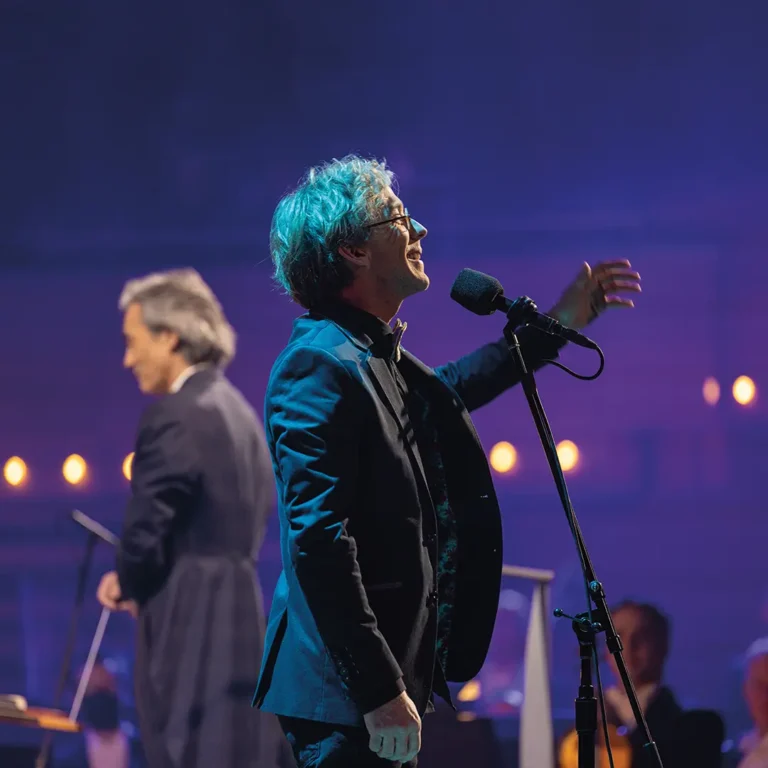
Le pianiste Ludovico Einaudi interprétera son album Solo Piano, qui réunit sa première collection de compositions pour piano solo. Au cours des trois dernières décennies, Einaudi est discrètement devenu l’artiste classique contemporain le plus célèbre au monde avec ses œuvres qui ont touché des millions de personnes à travers le cinéma, la télévision et des concerts internationaux. Des scènes de l’océan Arctique aux résidences record au Royal Albert Hall, au Barbican et à l’Opéra de Sydney, Einaudi continue de faire découvrir sa musique évocatrice et cinématographique au public du monde entier, avec son orchestre ou seul au piano, là où tout a commencé.

Pianist Ludovico Einaudi will perform his album Solo Piano, his first-ever collection of compositions for solo piano. Over the past three decades, Einaudi has quietly become the world’s most successful contemporary classical artist, with music that has reached millions through film, television and live performances worldwide. From Arctic Ocean stages to record-breaking residencies at the Royal Albert Hall, Barbican and Sydney Opera House, Einaudi continues to bring his evocative, cinematic music to audiences around the globe, both with his ensemble and where it all started, on piano alone.

LES BILLETS POUR CE SPECTACLE SONT ÉPUISÉS!

Ce contenu provient de la Place des Arts et est adapté par PAN M 360

Piano / post-romantique / Swing

OSM : Marc-André Hamelin retrouve Gershwin

by Rédaction PAN M 360

Énergie, éclat et rythme : la danse est au cœur de ce programme électrisant qui nous plonge dans les ruelles animées de New York. Avec Coincident Dances, la compositrice Jessie Montgomery tisse un kaléidoscope urbain inspiré des rues de New York entre jazz, funk et musique classique. De son côté, Gershwin puise dans les clubs de jazz la matière d’un Concerto en fa qui fusionne le swing et l’élégance classique, résonnant avec panache sous les doigts de Marc-André Hamelin. S’échappant du tumulte de la ville, sur Long Island, Rachmaninov écrit ses Danses symphoniques, dernier éclat d’un romantisme en exil, empreintes de nostalgie et de grandeur. Sous la direction de Gemma New, l’OSM nous entraîne dans un voyage imaginaire à travers la ville qui ne dort jamais – tour à tour électrique, rêveuse et infiniment vivante.

Energy, brilliance, and rhythm: dance is at the heart of this electrifying program that plunges us into the bustling streets of New York. With Coincident Dances, composer Jessie Montgomery weaves an urban kaleidoscope inspired by the city’s streets, blending jazz, funk, and classical music. Gershwin, for his part, draws on jazz clubs for his Concerto in F, fusing swing with classical elegance—resonating with panache under the fingers of Marc-André Hamelin. Escaping the city’s tumult on Long Island, Rachmaninoff writes his Symphonic Dances, the last spark of an exiled Romanticism, steeped in nostalgia and grandeur. Under Gemma New’s direction, the OSM takes us on an imaginary journey through the city that never sleeps—by turns electric, dreamy, and endlessly alive.

Programme

Jessie Montgomery, Coincident Dances
George Gershwin, Concerto pour piano en fa majeur
Sergueï Rachmaninov, Danses symphoniques, op. 45

Program

Jessie Montgomery, Coincident Dances
George Gershwin, Piano Concero in F major
Sergei Rachmaninoff, Symphonic Dances, op. 45

POUR ACHETER VOTRE BILLET, C’EST ICI!

Ce contenu provient de l’Orchestre symphonique de Montréal et est adapté par PAN M 360
Arabic / classique

OSM : Voyage musical avec Joseph Tawadros

by Rédaction PAN M 360

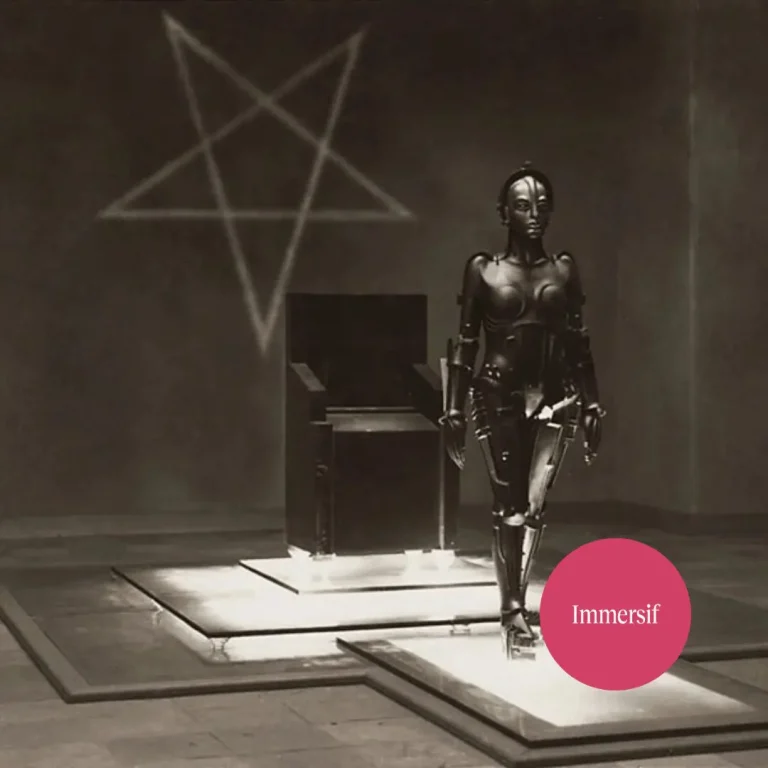
Après un accueil triomphal lors du concert d’été de la Virée classique 2024, le talentueux oudiste Joseph Tawadros fait son grand retour à l’OSM pour deux concerts exceptionnels. Il interprétera une œuvre vibrante inspirée des maqams, modes mélodiques du Moyen-Orient, offrant une expérience musicale riche en couleurs et en énergie. Cette pièce explosive se mêle parfaitement à l’intensité rythmique de la Symphonie n° 7 de Beethoven et promet une soirée unique au rythme effervescent.

Following his enthusiastic reception at the 2024 Virée classique summer concert, the talented oud player Joseph Tawadros makes his grand return to the OSM for two extraordinary concerts. He will be performing a dynamic piece inspired by the melodic modes of the Middle East, known as maqams, offering a vibrant and energetic musical experience. This powerful composition pairs seamlessly with the rhythmic drive of Beethoven’s Symphony No. 7, promising an evening filled with electrifying rhythms.

Programme

Maurice Ravel, Shéhérazade, Ouverture de féerie
Joseph Tawadros, Concerto for oud (25 min) (orch. Jessica Wells)
Ludwig van Beethoven, Symphonie no 7, op. 92 (36 min)

Program

Maurice Ravel, Shéhérazade, ouverture de féerie  (14 min)
Joseph Tawadros, Concerto for Oud (25 min) (orch. Jessica Wells)
Ludwig van Beethoven, Symphony No. 7, Op. 92 (36 min)

POUR ACHETER VOTRE BILLET, C’EST ICI!

Ce contenu provient de l’Orchestre symphonique de Montréal et est adapté par PAN M 360
classique

Thus Spoke the Trombone and the Cello

by Alexis Desrosiers-Michaud

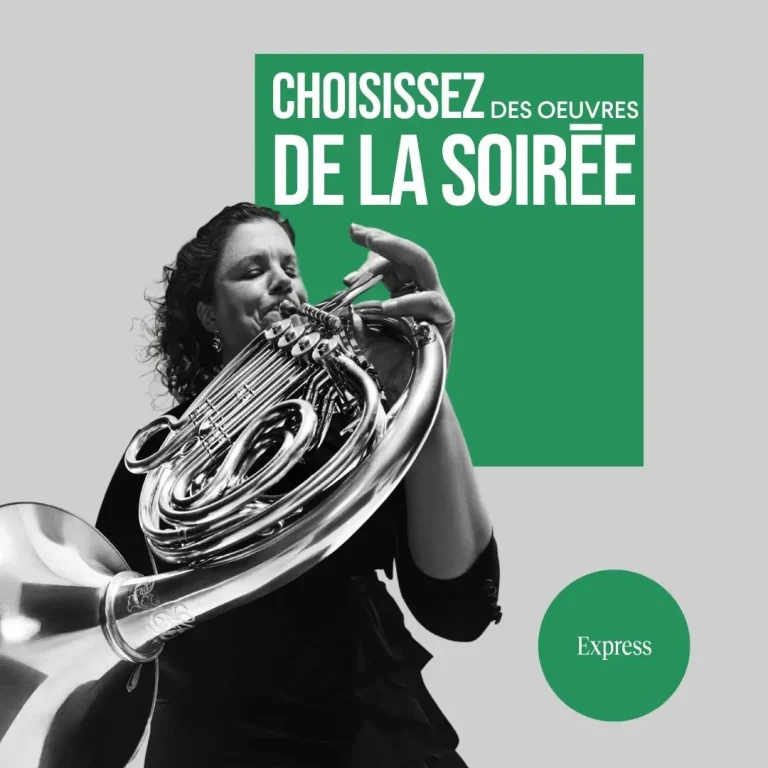
This week at the OSM, there is not one, but two concertos, with two house soloists: trombonist James Box in Samy Moussa’s Concerto “Yericho” and cellist Brian Manker in Ernest Bloch’s Schelomo: Hebrew Rhapsody.

Moussa’s concerto takes its name from the city of Jericho, which, according to the biblical story, was surrounded by Israel before falling within a week. It is an intense work from beginning to end, which gives its performer no rest. Strongly inspired by minimalist music and the presence of an organ, the terror is felt from the first minutes of the work, with a motif of two descending notes (the opposite of Jaws) repeated many times sounding the alarm, and the soloist will be the last to play it. What follows is a series of virtuoso sequences for both orchestra and soloist, leading to climaxes reminiscent of Shostakovich with abundant percussion and strings in the extreme treble, in particular. James Box delivered an exceptional performance combining his powerful, wide-ranging register and flawless coordination. Yericho will keep the audience on the edge of their seats until the very end, who will jump to their feet to congratulate the orchestra, soloist and composer.

Brian Manker would later distinguish himself in a completely different way. As King Solomon, his musical proclamations and phrasing are impeccable, so much so that the massive orchestra behind him never overwhelms him. Like his colleague, his technique is tested, but, like a king, Manker never falters. Like Yericho, Schelomo is a seamless and more fluid work. The musicians play the role of the faithful wonderfully, chanting wildly whenever the king falls silent.

While there is a clear religious connection between the two concertos, the comparison ends there. This is partly because neither Richard Strauss nor Friedrich Nietzsche were Jewish, and partly because the opening of the concert was from the opera Tannhaüser by Richard Wagner, a notorious anti-Semite. This version was very successful, thanks to the accuracy of the woodwinds and the dexterity of the strings, but also to the majestic sound of the brass in the final theme.

The pièce de résistance of this long concert was Richard Strauss’s symphonic poem Also sprach Zarathustra. While the first minute may be well-known, one still has to be able to face the remaining 32, especially after an hour and a half of concert. The endurance test was met with flying colors. One might have expected a slackening of power and precision, especially from the overused horns and strings, but this did not happen. This (another) technically very demanding score gave us the right to very well-balanced contrasts between the woodwinds in the background and the solo violins, as well as interventions from scattered soloists on the lookout. The waltz was played with verve, before plunging back into the abysmal sweetness to which Rafael Payare has accustomed us since his arrival.

classique / jeunesse

OSM : Des bonbons ou un sort !

by Rédaction PAN M 360

Pensez-vous que la Maison symphonique puisse abriter des monstres et des vampires? Ou que la baguette de la cheffe d’orchestre soit capable de jeter des sorts? Bien sûr que non ! À moins que…la musique ait des pouvoirs magiques… Pour en avoir le cœur net, revêtez votre déguisement et préparez-vous à être transporté dans des mondes imaginaires où des créatures mystérieuses vous raconteront de drôles d’histoires. Vous laisserez vous ensorceler?

Have you ever wondered if the Maison Symphonique is haunted by monsters and vampires? Could a conductor’s baton double as a magic wand? What if music truly held magical powers? To find out, dress up in your best costume and step into a world of imagination, where you’ll hear strange tales told by mysterious creatures. Let the magic of music sweep you away!

Programme

Œuvres de Saint-Saëns, Goulet, Grieg, etc.

Program

Works by Saint-Saëns, Goulet, Grieg, etc.

POUR ACHETER VOTRE BILLET, C’EST ICI!

Ce contenu provient de l’Orchestre symphonique de Montréal et est adapté par PAN M 360
classique / période romantique

OSM : L’île des morts à l’OSM

by Rédaction PAN M 360

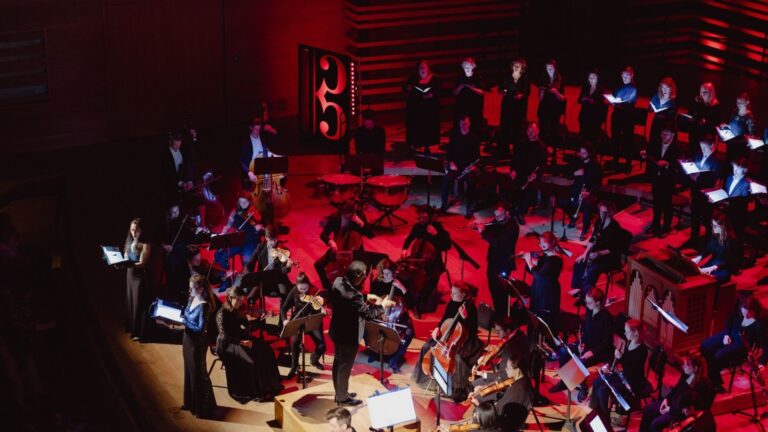
Pour cette nuit d’Halloween, plongez dans l’atmosphère irréelle de L’Île des Morts de Rachmaninov, avec la projection du film de van Woerkum où fantastique et angoisse s’entrelacent. La virtuosité débridée de l’œuvre de Liszt, Totentanz ou Danse macabre, interprétée par Goodwin Friesen, lauréat du Concours OSM 2022, ajoutera une touche de brillance effrayante, illustrant la lutte entre la vie et la mort. Une soirée de frissons et de mystère, suivie de festivités à la Maison symphonique.

To celebrate Halloween, step into the surreal atmosphere of Rachmaninoff’s Isle of the Dead, accompanied by van Woerkum’s film of the same name, where the realms of fantasy and fear intertwine. The wild virtuosity of Liszt’s Totentanz (Dance of the Dead), performed by Goodwin Friesen, winner of the 2022 OSM Competition, captures the chilling battle between life and death. Prepare for an evening of spine-tingling mystery and excitement, capped off with festivities at the Maison Symphonique.

Programme

Franz Liszt, Totentanz, S.126 (17 min)
Sergei Rachmaninov, L’Île des Morts (20 min) avec projection

Program

Franz Liszt, Totentanz, S. 126 (17 min)
Sergei Rachmaninoff, Isle of the Dead (20 min) with screening

POUR ACHETER VOTRE BILLET, C’EST ICI!

Ce contenu provient de l’Orchestre symphonique de Montréal et est adapté par PAN M 360
cinéma / classique

OSM : Le fantôme de l’opéra

by Rédaction PAN M 360

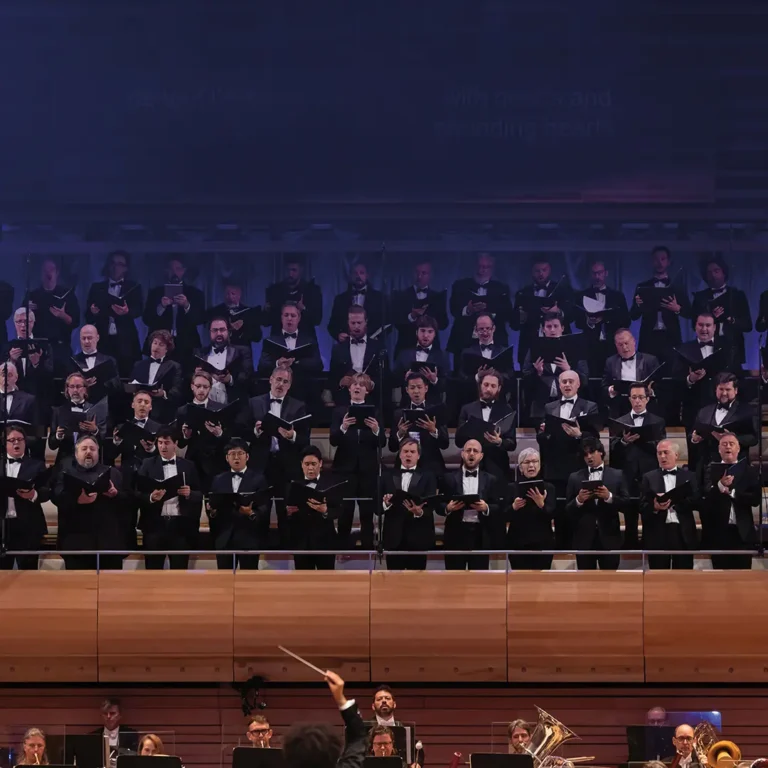
À 100 ans, Le fantôme de l’opéra n’a pas pris une ride! Redécouvrez ce chef-d’œuvre du cinéma fantastique de 1925 illustré musicalement par l’organiste Jason Roberts. Le Fantôme errant dans les coulisses d’un opéra parisien, est un prodige musical défiguré, fasciné par la musique et obsédé par une artiste. Ce mystérieux personnage incarne à la fois le génie incompris et la marginalisation. Un ciné-concert saisissant où suspense, puissance et improvisation à l’orgue se rencontrent!

The Phantom of the Opera is still captivating audiences a century later! Experience this 1925 fantasy film classic like never before, with musical accompaniment by organist Jason Roberts. Haunting the depths of a Parisian opera house, the disfigured phantom—both a musical genius and a tragic outcast—is consumed by his obsession with music and a particular singer. This thrilling film concert blends drama and suspense with masterful organ improvisation for an unforgettable cinematic experience.

Programme

Le fantôme de l’opéra, 1925 (114 min) avec projection

Program

The Phantom of the Opera, 1925 (114 min) with screening

POUR ACHETER VOTRE BILLET, C’EST ICI!

Ce contenu provient de l’Orchestre symphonique de Montréal et est adapté par PAN M 360
classique

Mahler’s Ninth by the OSM: Farewell to a Futile and Frantic World

by Judith Hamel

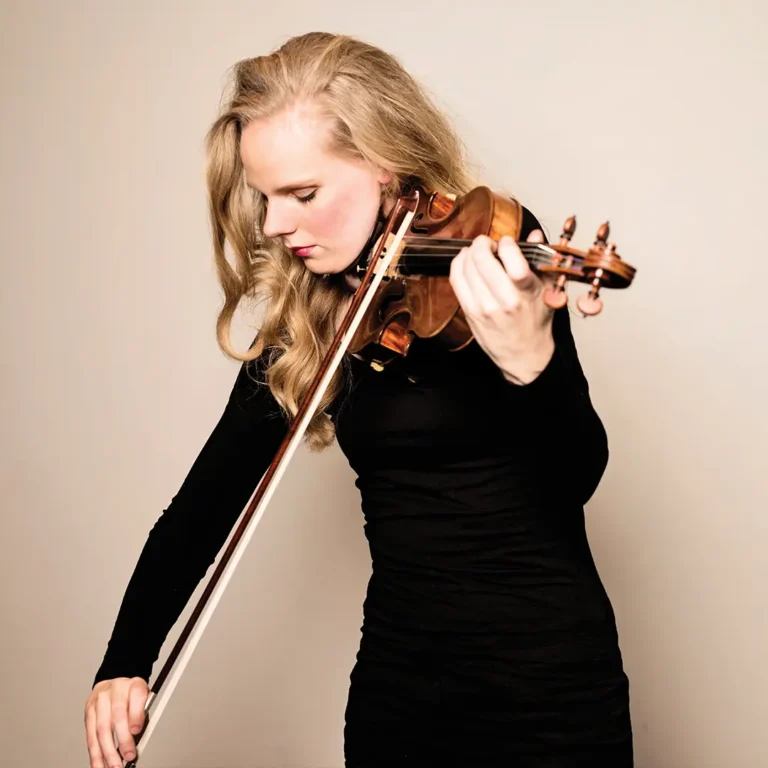
On Wednesday evening, Rafael Payare conducted the Montreal Symphony Orchestra in the continuation of the Mahler cycle, this time with the composer’s final completed symphony, the Ninth. A highly demanding work that reflects the consciousness of a man who knows his end is near and is bidding farewell to the world.

At the time of composing the work, Mahler knew he had been diagnosed with heart valve disease and was haunted by the recent death of his daughter. Fearing the bad luck associated with ninth symphonies (Beethoven, Schubert), Mahler had avoided numbering his previous symphonic work, but in vain: this Ninth would indeed be the last symphony he would complete.

Payare offers us a reading that is quite different from the classic interpretations marked by great dramatic tension that we associate with Mahler, right from the first movement.

In this first farewell to life, lasting around thirty minutes, it is difficult to find a clear guiding principle to hold on to. Payare’s direction evokes less the gravity of this imminent end than the vertigo of our existence in our modern era, where everything moves at high speed and everything is ephemeral. In fact, his proposal has something profoundly contemporary about it: that of a frantic, saturated world where futility takes hold.

The second movement, a Ländler, opens with a section of tightly knit bassoons and a section of rough strings. Here, Payare opts for rusticity and fully embraces the woody, earthy character. The intoxicating circularity of the rhythm, the warm cooing of the French horns, and the wavering pace of the waltz create a country atmosphere that is both joyful and melancholic. It is a farewell to the simple pleasures of life.

The Rondo-Burleske is delightfully sarcastic. It is a whirlwind of sound, a celebration that descends into frenzy. Each section of the orchestra shines with its density and energy, contributing to this brilliant and chaotic orchestral extravaganza. A gargantuan celebration, carried by a deliberately pompous ending, unapologetically ironic.

The final Adagio presents the acceptance of leaving this world. Payare’s subtlety serves this movement well. He deploys a more sober and internalized gesture, adapted to the delicacy of this last movement. Little by little, he allows the sounds to breathe, until the fear of death fades away. In this long farewell that closes this great symphony, silence becomes the last and most eloquent of notes.

A few seconds of silence were observed at the end of the symphony. This silence filled the space, imposing itself loudly. It was followed by a heartfelt ovation.

Photo Credit: Gabriel Fournier

Fado

Mariza | L’étoile du Fado à la Maison symphonique

by Rédaction PAN M 360

Pour le plus grand plaisir du public montréalais et de la communauté portugaise, la grande fadiste Mariza fait son retour à la Maison symphonique pour un concert attendu depuis plus de huit ans. Icône de la musique lusophone du XXIᵉ siècle, elle s’est imposée comme l’une des voix les plus puissantes et les plus émouvantes de la scène internationale. Depuis Amália Rodrigues, peu d’artistes portugaises ont connu une carrière internationale aussi brillante. Mariza s’est illustrée sur les scènes les plus prestigieuses du monde, recevant les éloges de la critique et accumulant de nombreuses distinctions internationales. Née au Mozambique et élevée dans la Mouraria, quartier historique de Lisbonne intimement lié à la naissance du fado, Mariza grandit dans un univers où les voix, les guitares et les récits de vie façonnent l’âme de cette musique. Très tôt, elle s’approprie cet héritage et le projette dans une dimension universelle. Dotée d’une voix exceptionnelle et d’un charisme naturel, elle conquiert d’abord Lisbonne avant de devenir rapidement un phénomène international. Depuis plus de deux décennies, Mariza parcourt les grandes scènes du monde, de l’Amérique du Nord à l’Asie, de l’Europe à l’Amérique latine, emportant avec elle l’âme et la sensibilité du Portugal. Sa carrière remarquable compte plus de cinquante disques de platine, plusieurs nominations aux Grammy Awards et une reconnaissance critique qui la place parmi les grandes voix de la musique du monde. Héritière de la tradition du fado, tout en regardant vers l’avenir, Mariza incarne une vision vivante de ce patrimoine musical. Sur scène, sa présence et la profondeur de son interprétation transforment chaque concert en une expérience rare, où l’émotion du fado se partage dans toute sa vérité.

To the great delight of Montréal audiences and the Portuguese community, the celebrated fadista Mariza returns to the Maison Symphonique for a concert eagerly awaited for more than eight years. An icon of 21st-century Lusophone music, she has established herself as one of the most powerful and moving voices on the international stage. Since Amália Rodrigues, few Portuguese artists have enjoyed such a brilliant international career. Mariza has graced the world’s most prestigious stages, earning critical acclaim and receiving numerous international awards and distinctions. Born in Mozambique and raised in Mouraria, the historic Lisbon neighbourhood closely linked to the birth of fado, Mariza grew up in a world where voices, guitars, and stories of life shaped the soul of this music. From an early age, she embraced this heritage and carried it into a universal dimension. Gifted with an extraordinary voice and natural charisma, she first captivated Lisbon before quickly becoming an international phenomenon. For more than two decades, Mariza has performed on the great stages of the world, from North America to Asia, from Europe to Latin America, carrying with her the soul and sensibility of Portugal. Her remarkable career includes more than fifty platinum records, several Grammy Award nominations, and critical recognition that places her among the great voices of world music. Heir to the tradition of fado while resolutely looking toward the future, Mariza embodies a living vision of this musical heritage. On stage, her presence and the depth of her interpretation transform every performance into a rare experience, where the emotion of fado is shared in all its truth.

POUR ACHETER VOTRE BILLET, C’EST ICI!

Ce contenu provient de Place des Arts et est adapté par PAN M 360

Classical / Classical Period

Faust, Labadie and the OSM | Tributes to Viennese Classics

by Alexandre Villemaire

The Montreal Symphony Orchestra welcomed two powerful musical personalities for its October 8 concert. Bernard Labadie, a distinguished specialist in the Baroque and Classical repertoire, and German violinist Isabelle Faust joined forces on stage to present a program showcasing the Viennese classical spirit. And what better way to express this Viennese spirit than with two of the most emblematic composers of this period, both in terms of their energy and stylistic influence, than Joseph Haydn and Ludwig van Beethoven.

The former easily ranks among the most important and influential composers of the 18th century, notably because of his long life – he died at the age of 77 – and his jovial personality. Everything in Haydn’s music is extremely imaginative and lively, even in the most dramatic passages. Several surprises await the listener at the turn of a musical phrase. The latter also left a lasting mark on the world of music with his passion and by being the gateway to Romanticism in the history of music.

To open, the OSM musicians presented Symphony No. 103, subtitled “Timpani Roll,” so named because of the composer’s characteristic presence and entrance. After a thunderous roll, the first movement opens with an Adagio quoting the Gregorian hymn Dies Irae. This thematic material is faithfully reproduced by the composer, who modifies it slightly by inserting dissonant chords and syrupy melodic lines in the strings. The second movement, oscillating between ceremonial and ironic march, exemplifies Haydn’s humorous side. The third movement features sublime exchanges between strings and woodwinds in a light fanfare effect. The symphony’s Finale displays a variety of colors in different materials that evolve toward a climactic ending.

It is particularly in this movement that we can appreciate the characteristics of Haydn’s language, such as the sudden changes in dynamics that run through the movement. Dynamics and affects that Labadie masters with ease and clarity and where he gives the orchestra space to express itself.

Although Beethoven’s name is strongly associated with the Romantic period, the music of the impetuous Bonn musician is expressed in the style of Viennese Classicism. Known for his strong temperament and emotional fervor, which he transposed into music, Beethoven adopts here in his only violin concerto a more optimistic discourse with a light character, but retaining an intensity of line. Endowed with “clarity, audacious depth, and brilliant technique” (San Francisco Classical Voice), Isabelle Faust embraces the contours of the orchestral sound and offers controlled and sonorous dramatic flights. At first hearing the first movement, we were struck by these qualities of the musician, but also by the very technical approach of her interpretation where the expressiveness of the lines, although perfectly executed and proud, seemed cold. It was in the second and third movements—both linked together—that the expression and quality of Faust’s playing captivated us. The lyricism and gentleness of the Larghetto evoked a noble and majestic character, while the final Rondo, with its multiple thematic ideas and interplay of orchestral textures, brought the evening to a luminous close. Aside from the quality of the performance, the other engaging spectacle unfolding before our eyes was the communication, complicity, and pleasure that emanated from the interaction between Faust and Labadie during this performance. Always in contact, responding to intentions, directions, and phrase inflections with a message, the duo brought these works to life. They thus created a space of expression where intimacy and listening pleasures were combined.

Photo Credits : Gabriel Fournier

Publicité panam
classique / post-romantique

OSM : Le chant du cygne de Mahler

by Rédaction PAN M 360

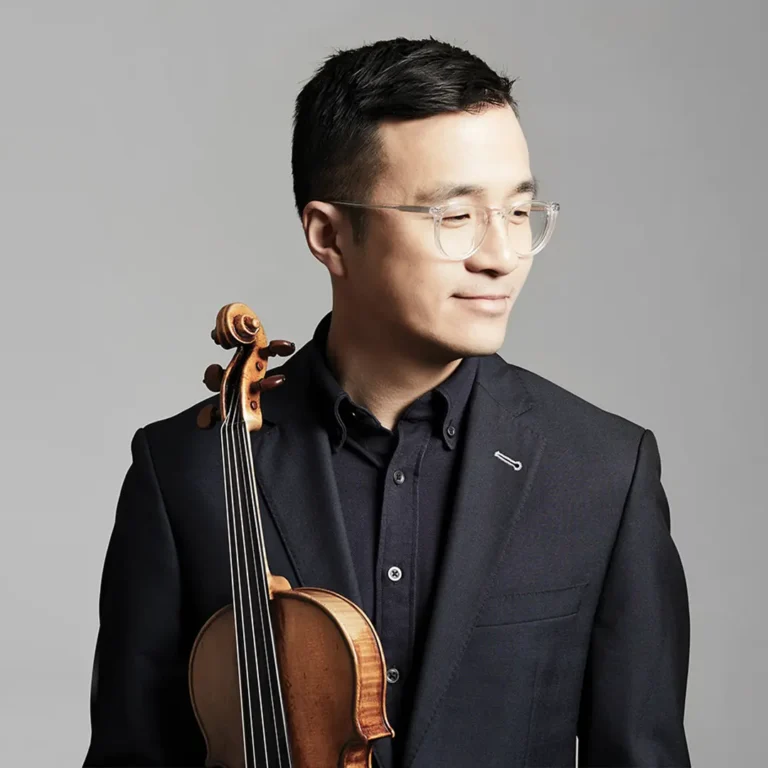
Rafael Payare poursuit le cycle Mahler, initié en 2022, avec la Symphonie n° 9, une œuvre instrumentale d’une richesse inouïe où chaque note résonne avec une profonde émotion. Mahler y orchestre une réconciliation poignante entre l’être humain et l’univers, offrant une spiritualité intense et créant des instants de beauté époustouflante. Une opportunité de vivre un concert mêlant intensité musicale et introspection.

Rafael Payare continues the Mahler cycle he launched in 2022 with Symphony No. 9, an instrumental masterpiece of unparalleled richness, where every note resonates with deep emotion. In this work, Mahler evokes humanity’s reconciliation with the universe, weaving deep spirituality with moments of awe-inspiring beauty. A rare opportunity to experience a concert that is both musically intense and introspective.

Programme

Gustav Mahler, Symphonie no 9 (81 min)

Program

Gustav Mahler, Symphony No. 9 (81 min)

POUR ACHETER VOTRE BILLET, C’EST ICI!

Ce contenu provient de l’Orchestre symphonique de Montréal et est adapté par PAN M 360
Celtic / Musiques du Monde / new age

Loreena McKennitt | The Mask and Mirror – 30e anniversaire à la Maison symphonique

by Rédaction PAN M 360

À l’automne 2026, l’auteure-compositrice-interprète canadienne primée, Loreena McKennitt, commémorera le 30e anniversaire de son album, The Mask and Mirror, avec une tournée vaste dans l’est du Canada. Largement acclamé pour sa « fécondation interculturelle », l’album tisse ensemble des influences celtiques, espagnoles et marocaines. Loreena sera accompagnée par des compagnons musicaux Caroline Lavelle au violoncelle, Brian Hughes à la guitare, Hugh Marsh au violon, Dudley Phillips à la basse et Robert Brian à la batterie. La première partie chaque soir présentera les favoris des fans, et la deuxième partie set comprendra toutes les chansons de l’album. McKennitt proclame : « C’est un anniversaire marquant de ma carrière, et j’ai hâte de le célébrer chez nous. » Son mélange éclectique celtique de musique pop, folk et de musique du monde a vendu plus de 14 millions d’albums dans le monde entier, et ses enregistrements ont obtenu le statut d’or, de platine et de multi-platine dans 15 pays, sur quatre continents.

In fall 2026, award-winning Canadian singer/songwriter, Loreena McKennitt, will be commemorating the 30th anniversary of her album, The Mask and Mirror, with an extensive tour of Eastern Canada. Widely acclaimed for its ‘cross-cultural fertilization’, the album weaves together Celtic, Spanish and Moroccan influences. Loreena will be accompanied by musical companions Caroline Lavelle on cello, Brian Hughes on guitar, Hugh Marsh on violin, Dudley Phillips on bass and Robert Brian on drums. The first set each evening will feature fan favourites, while the second set will include every song on the album. McKennitt proclaims, “This is a milestone anniversary in my career, and I look forward to celebrating it at home.” Her eclectic Celtic blend of pop, folk and world music has sold more than 14 million albums worldwide, and her recordings have achieved Gold, Platinum and multi-Platinum status in 15 countries, on four continents.

POUR ACHETER VOTRE BILLET, C’EST ICI!

Ce contenu provient de la Place des Arts et est adapté par PAN M 360

Subscribe to our newsletter

Inscription
Infolettre

"*" indicates required fields

Type of Suscribers