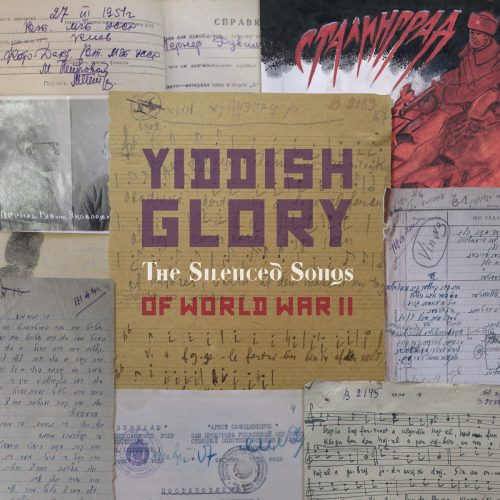
Each of the songs in this compilation is a small miracle. A testament to the resilience of a culture that the abject totalitarianisms of the 20th century tried to silence: that of the Ashkenazi Jews of Eastern Europe. We know the details of the Holocaust perpetrated by the Nazis rather well, but much less so the discrimination imposed by Stalin’s USSR. The ethnomusicologist Moisei Beregovsky spent part of his life collecting songs from hundreds, even thousands of Jews from all over Eastern Europe before everything disappeared under the Nazi rage. Songs describing the atrocities committed by German troops, yet full of hope, often even humour. After the war, he continued his work in the USSR, thinking he was safe. When he presented the fruit of his research, he was accused of anti-Soviet activities and was sent to the gulag. He died thinking his work was lost.
But the Toronto historian Anna Shternshis dug, searched, and scoured all over Europe, in the KGB archives, and in Central Asia, and then managed to recover several of these invaluable treasures of simple music, sometimes light and danceable, sometimes also deeply touching.
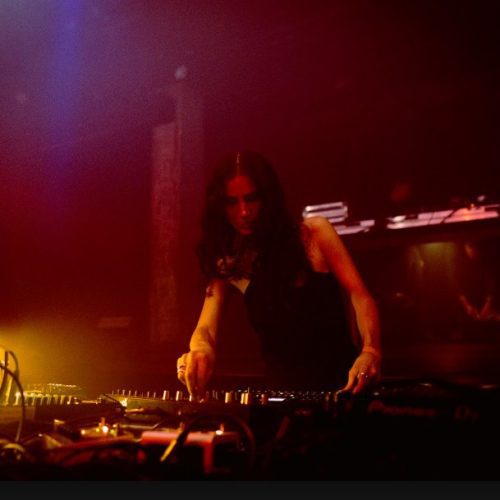
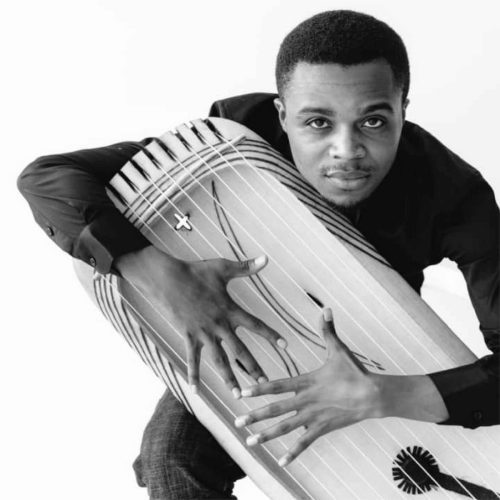
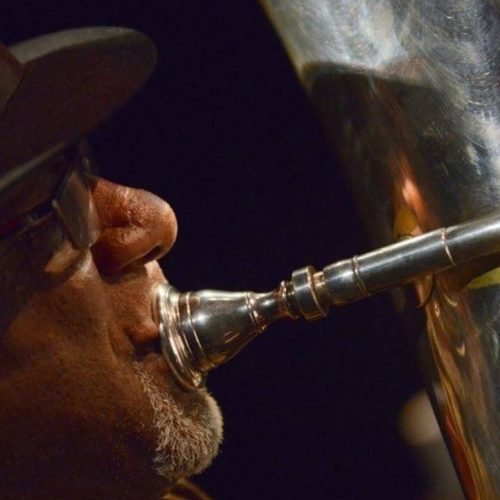
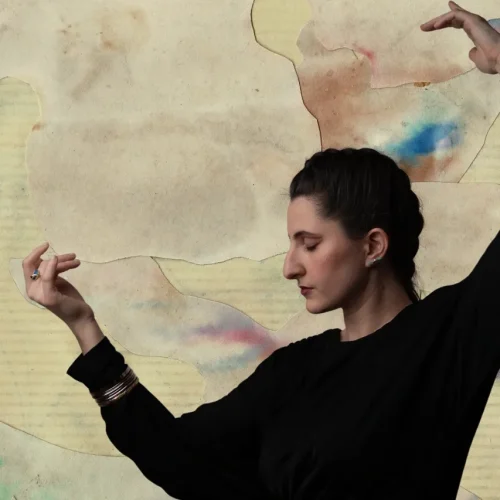
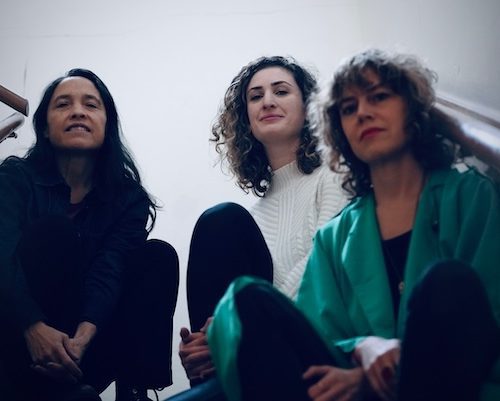
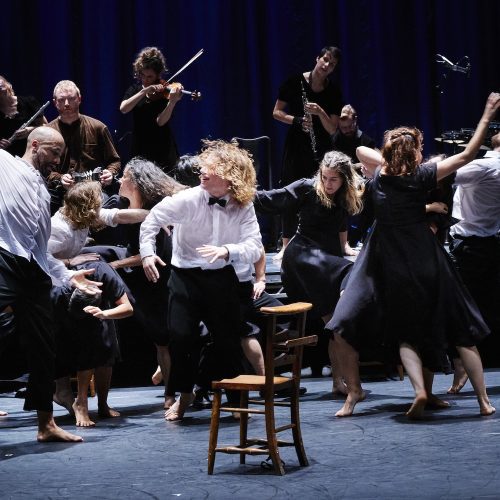
Today, these songs come back to life thanks to the excellent artists of the Yiddish Glory ensemble. A first album of the genre was released a few years ago, The Lost Songs of World War II. It was nominated for a Grammy Award in 2019. These “silenced” songs continue the approach and offer us a fascinating look at simple and powerful works as so many testimonies of life in those deadly years.
Ashkenazi Jewish music is exceptional. It is often one of two emotions: joy (tinged with irony) or deep melancholy. The melodic talent of these unknown, often anonymous artists, attests to a rich and sophisticated culture that manifests in memorable melodies over attractive harmonies.
From the very first notes of the first song, Obodivke Camp, a lively melody adapted from a pre-war folk song, the teenage poet Boris Zitserman cynically describes the living conditions of a ghetto in 1942. A Jew has the task of collecting the corpses of his compatriots and throwing them over the ghetto walls. Imagine the following words to a tune that seems made to be sung on a bus by a group of children heading to a beach outing:
Oh, woe, troubles, troubles—
The Jews are being brought to slaughter.
We wait for a more fortunate day.
In the same vein, I Am A Typhus Louse is a cheerful (but terribly cynical) children’s song, featuring an anti-Nazi louse carrying typhus who decides to infect only SS soldiers. When you know that this disease caused countless ravages in the ghettos, the cathartic nature of it is undeniable.
Others, jewels of resigned tenderness, will remind the untrained ears in the matter of the poignant emotion of the music from the film Schindler’s List. This is the case with Childhood Years, in which a mother mourns the death of her son. And several others will give you a knot in your stomach, even a tear like Transnistrian Lullaby.
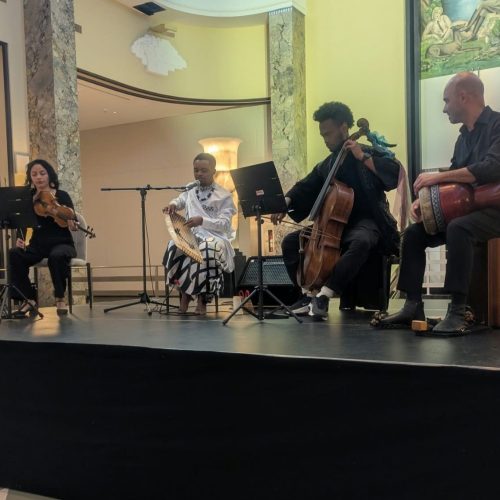
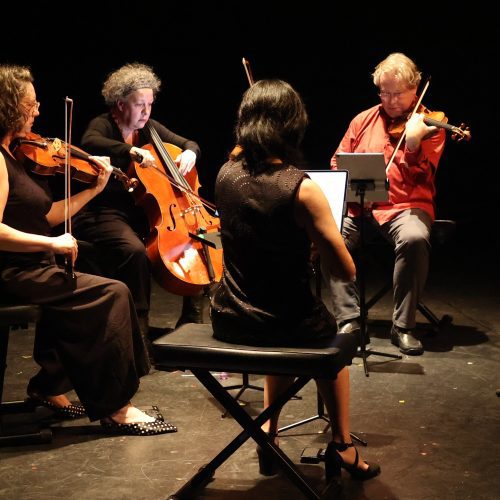
The chamber orchestra (violins, cellos, double basses, clarinets, pianos, and voices) is superb, imbued with infinite tenderness for this repertoire. The voices of the soloists are particularly impressive: very precise in emotional tone, as well as in pitch, diction, and narrative expression.
This album is a miracle, I said. It is above all an important victory over darkness, hatred, racist stupidity, and any totalitarian inclination.