It is easy to affirm that composer and orchestra leader Mulatu Astatke is the central figure in Ethio-jazz, still active at the age of 76. For a second time, he shares an album with the Australian band Black Jesus Experience (listen also to the album Cradle of Humanity, released in 2016). Let’s also remember that Ethio-jazz had its heyday in the ’60s and ’70s, until revolutionary violence put this singular movement on the back burner. Expatriated to Europe and North America, these visionaries from Addis Ababa gradually resumed their service and Ethio-jazz has regained its status since the beginning of the millennium. Let us also affirm that the work of composer and multi-instrumentalist Astatke is among the most important in jazz from Africa, along with those of South Africans Abdullah Ibrahim (Dollar Brand) and Hugh Masekela. Here is further striking proof of this. Astatke and his antipodean colleagues offer here a wonderful experience of modern jazz with melodic inflections of the Nile, at the confluence of the musical traditions of East Africa and the Levant. Hip hop and R&B ornaments, and poetic declamations expressed in English and Amharic language, fit perfectly into this context. Everything flows from the source on this second collaboration, the communion is perfect between the musicians – keyboards, guitar, vibraphone, percussion, trumpet, flute, saxophones, vocals, and rap. This fusion is no less typical of the Afro-jazz crossbreeding that illuminated the ’80s, with the fervour and cohesion of the ensemble that one should expect. Let’s take advantage of it while Astatke is still in full possession of his means.
Latest 360 Content

Interview Classical/classique
Esteban la Rotta: Back to the Ancient Origins of the Lute
By Frédéric Cardin

Interview Jazz
We’re talking with John Sweenie about Mysticism for Intellectuals, an album that will make the “Best of” list for 2026.
By Frédéric Cardin
Interview Classical/classique
Beethoven and Brahms: First and Last Flames of Musical Passion on the 9th Floor
By Frédéric Cardin
Concert review Classical/classique/danse
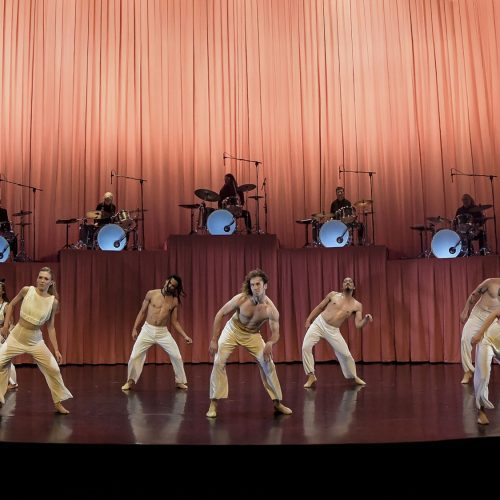
Stephanie Lake Company: Symbiosis of Strike and Movement
By Frédéric Cardin
Concert review Western European/latino/Pop/Rock
Maruja Limón, Weapon of Mass Construction!
By Alain Brunet



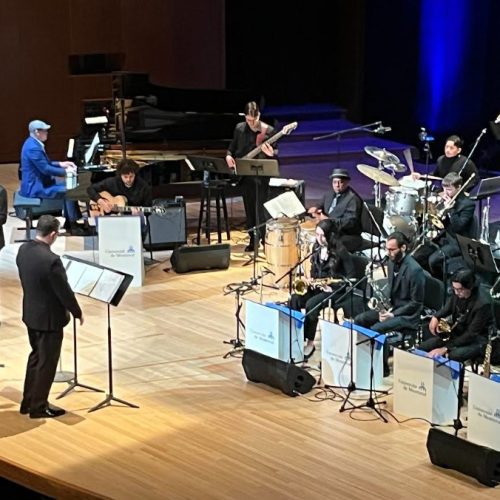
Concert review Jazz
Hilario Durán and The UdeM Big Band: Caliente at Claude-Champagne Hall!
By Michel Labrecque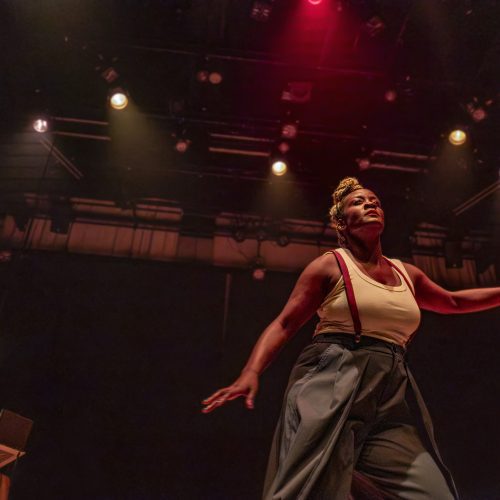


Interview Reggae
David Cairol and Taïro Unveil “Ticket pour Mars”, A Socially Conscious Reggae Single
By Sandra Gasana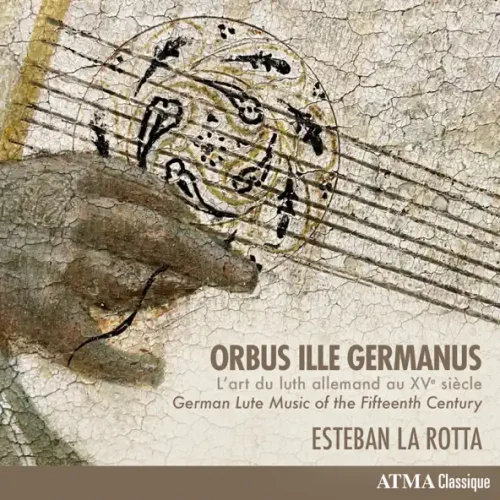
Album review Classical/classique 2026
Esteban La Rotta – Orbus Ille Germanus : L’art du luth allemand au XVe siècle
By Frédéric Cardin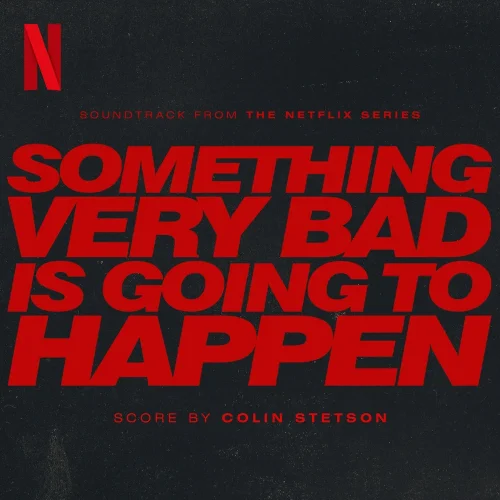
Album review Electronic/Classical/classique/expérimental / contemporain/musique de film 2026
Colin Stetson – Something Very Bad Is Going to Happen
By Frédéric Cardin

Album review Classical/classique 2026
Ksenija Sidorova – Prophecy : Tüür, Kõrvits, Vasks
By Frédéric Cardin
Album review Dark Trance/Psytrance/Electronic 2026
Mirror Me – When Voodoo Hoodoo Meets Mirror Me
By Frédéric Cardin