Class of Jimmy Brière
FREE ADMISSION!
This content comes from the Faculté de musique de l’Université de Montréal and is adapted by PAN M 360.
Listings
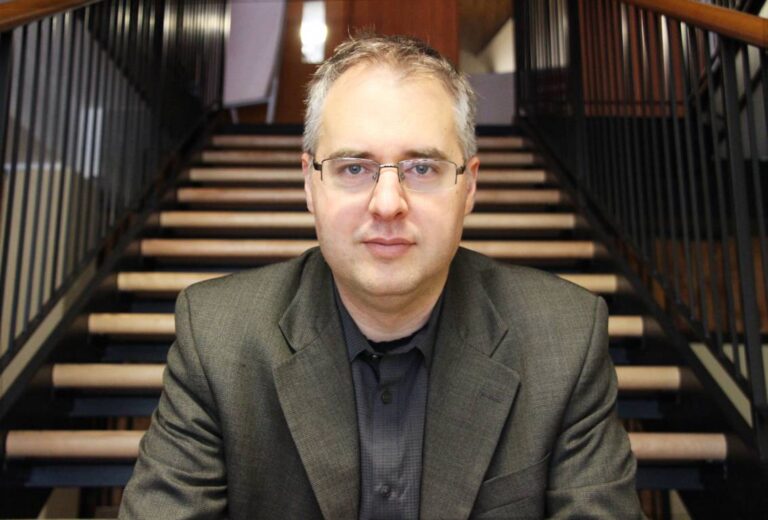
Class of Jimmy Brière
FREE ADMISSION!
This content comes from the Faculté de musique de l’Université de Montréal and is adapted by PAN M 360.
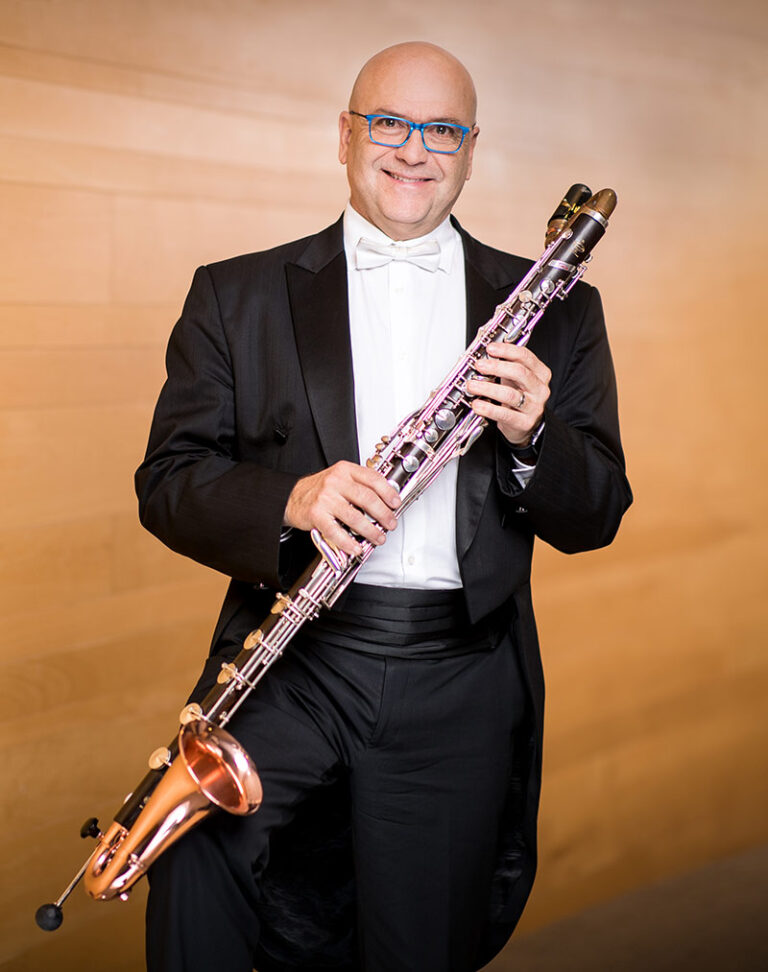
Class of André Moisan.
FREE ADMISSION!
This content comes from the Faculté de musique de l’Université de Montréal and is adapted by PAN M 360.

Students of the jazz singing class of Eugénie Jobin-Tremblay et de Malika Tirolien
Big Band de l’Université de Montréal
João Lenhari, conductor
FREE ADMISSION!
This content comes from the Faculté de musique de l’Université de Montréal and is adapted by PAN M 360.

Luba Zuk Piano Duo Composition Prize Performances
Nora Popescu, Otto Popescu, piano
LILY KOSLOW (2021-2022 Winner) The Chiaroscurist: Five Contrasts for Pitch Black Night
ZUOSHENG JIN (2020-2021 Winner) Empty Harbor, Reddish Sea
SERGEI RACHMIANINOFF Symphonic Dances, Op. 45
FREE ADMISSION!
This content comes from the Schulich and is adapted by PAN M 360.
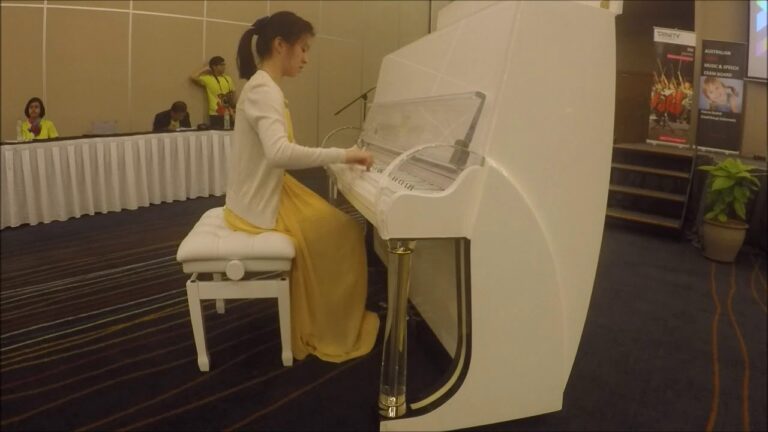
Melissa Ooi Yong Xin, piano
FREE ADMISSION!
This content comes from the Schulich School of Music and is adapted by PAN M 360.

Satoka Abo, violon
Class of Jinjoo Cho
FREE ADMISSION!
This content comes from the Schulich School of Music and is adaptes by PAN M 360.

The Schulich School of Music is proud to present its first McGill Honor Band, a one-day event for senior high school students on Friday, March 15, 2024! Designed to provide an intensive harmony experience for students in Secondary 3, 4 and 5, the Honor Band will allow students to work with some of the Schulich School of Music’s outstanding teachers. Coordinated and directed by Dr. Danielle Gaudry, and supported by its partners the Fédération des harmonies et des orchestres symphoniques du Québec and the Québec Band Association, McGill’s Harmonie d’honneur will include a full day of rehearsals, culminating in a concert at 7:30 p.m. featuring the McGill Wind Orchestra.
L’École de musique Schulich est fière de présenter sa première Harmonie d’honneur de McGill, un événement d’une journée pour les élèves du deuxième cycle du secondaire, le vendredi 15 mars 2024 ! Conçu pour offrir une expérience intensive d’harmonie aux élèves de troisième, quatrième et cinquième secondaire, l’Harmonie d’honneur permettra aux élèves de travailler avec certains des professeurs exceptionnels de l’École de musique Schulich. L’Harmonie d’honneur de McGill, coordonnée et dirigée par Dre Danielle Gaudry et soutenue par ses partenaires de la Fédération des harmonies et des orchestres symphoniques du Québec ainsi que le Québec Band Association, comprendra une journée complète de répétitions et se terminera par un concert à 19h30, lors duquel sera également invité l’Orchestre à vent de McGill.
FREE ADMISSION!
This content comes from the Schulich School of Music and is adapted by PAN M 360.

Anabel Gutierrez Orraca, harp
Find out more about attending events at Schulich.
This content comes from the Schulich School of Music and is adapted by PAN M 360.

Emma Gélineau-Cloutier, soprano
Mala Weissberg, mezzo-soprano
Nicholas Murphy, baritone
Sara Schabas, soprano
This event will be webcast on our YouTube channel.
FREE ADMISSION
This content comes from the Schulich School of Music and is adapted by PAN M 360.

With a fourth album in the works, transcendence, the sublime, and letting go are on Portielje’s mind. Since Half Moon Run’s last album, A Blemish in the Great Light (Glassnote, 2019), there’s been a global pandemic and a sea-change in the live music industry. Meanwhile, the band’s put out three releases—two EPs and a collection of reworked “isolation versions” of older songs. Plus, their fourth member, multi-instrumentalist Isaac Symonds, has moved on to a bucolic life out west.
The remaining trio—Portielje, Conner Molander, and Dylan Phillips—are also the band’s founding trio. Their fabled origin story involves a 2009 Craigslist ad, and a dingy Mile End jam space populated by a rising wave of Montreal musicians, including phenom Grimes. They spent those formative years generating not just their debut album, Dark Eyes (Indica, 2012) but also the restless, six-armed entity that composes their music and performs their live show. (All of Half Moon Run’s members, past and present, are vocalists and multi-instrumentalists.) “The chemistry just fused,” Molander says of that time. “We decided that we were going to drop everything else that we might want to pursue in our lives and just go full steam ahead with the band. I dropped out of university, we all quit jobs, took on debt. When I think back on that album, it must’ve been by sheer force of desperation that something came across, because there was no turning back.”
Avec un quatrième album en préparation, la transcendance, le sublime et le lâcher-prise reflètent l’esprit de Portielje. Depuis le dernier album de Half Moon Run, A Blemish in the Great Light (Glassnote, 2019), il y a eu la pandémie mondiale et plusieurs changements dans l’industrie du spectacle. Entre-temps, le groupe a sorti trois albums – deux EPs et une collection de leur répertoire en versions acoustiques. De plus, le quatrième membre, le multi-instrumentiste Isaac Symonds, a quitté le groupe et entamé une vie bucolique dans l’ouest du pays.
Reste Portielje, Conner Molander et Dylan Phillips, le trio fondateur du groupe. Leur historique comprend une annonce Craigslist en 2009 et un espace de pratique sombre du Mile End, peuplé d’une vague montante de musiciens montréalais, y compris la phénomène Grimes. Ils ont passé ces années formatives à générer non seulement un premier album, Dark Eyes (Indica, 2012), mais aussi l’entité agitée à six bras qui compose leur musique et assure leur spectacle en direct. (Tous les membres de Half Moon Run, passés et présents, sont des vocalistes et des multi-instrumentalistes.) « La chimie a simplement fonctionné », dit Molander de cette époque. « Nous avons décidé de laisser tomber tous nos projets de vies et d’y aller à fond avec le groupe. J’ai abandonné l’université, nous avons tous quitté nos emplois et accumulé des dettes. Lorsque je repense à cet album, c’est sûrement dû à la force du désespoir que quelque chose est apparu, car il n’y avait pas de retour possible en arrière. »
TO BUY YOUR TICKET, CLICK HERE!
This content comes from Half Moon Run and is adapted by PAN M 360.

UdeM Opera Workshop and Orchestra
Jean-François Rivest, conductor
Richard Margison and Robin Wheeler, direction Atelier d’opéra
Patrick R. Lacharité, stage direction
Margaux Tabary, costumes
Marie-Aube St-Amant Duplessis, lighting
Gabriela Hébert, images and projections
Natacha Filiatrault, hair and make-up
Roxane Loumède, assistant director and stage manager
Carl Pelletier, set design and props
Mozart, The Magic Flute
A prince charged with freeing a princess imprisoned by a false tyrant; an evil queen of unsettling beauty; a jester bird-catcher with a big heart and a magic flute to vanquish evil: this is neither a fairy tale by Perrault nor a legend by the Brothers Grimm, but one of the most fascinating operas in the history of music, Mozart’s The Magic Flute.
Blending enchantment, esotericism and comical situations, this work was considered a marvel in Germany from the moment of its premiere in 1791. And what about Mozart’s incredible music? The best way to discover it is in the company of the Atelier d’Opéra and the Orchestre de l’UdeM, conducted by Jean-François Rivest and directed by Patrick R. Lacharité.
As for the fantastical nature of the opera, it will allow students∙es in composition and sound creation to give free rein to their imagination to create an original scenography designed using video mapping and light installations.
Sarastro, High Priest of Isis and Osiris – Brendan Friesen, bass
Die Königen der Nacht – Marion Germain, soprano
Pamina, daughter of the Queen of the Night – Maud Lewden, soprano
Erste Dame – Daphnée Brideau, soprano
Zweite Dame – Maïlys Arbaoui-Westphal, soprano
Dritte Dame – Julie Boutrais, mezzo-soprano
Erster Knabe – Salomé Karam, soprano
Zweiter Knabe – Cloée Morissette, soprano
Dritter Knabe – Serina Itri, mezzo-soprano
Prince Tamino – Emmanuel Raymond, tenor
Der Sprecher – Jean-Philippe Laroche, bass
Papageno, bird-catcher – Justin Domenicone, baritone
Papagena, Papageno’s bride – Kevisha Williams, soprano
Monostatos – Andoni Iturriria-Machinandiarena, tenor
Erster Geharnischter Mann – Pierre Heault, tenor
Zweiter Geharnischter Mann – Théo Raffin, baritone
Erster Priester – Pierre Heault, tenor
Zweiter Priester – Geoffrey Zhou, spoken role
TO BUY YOUR TICKET, CLICK HERE!
This content comes from the Faculté de musique de l’Université de Montréal and is adapted by PAN M 360.

Class of Louis-Philippe Marsolais.
FREE ADMISSION
This content comes from the Faculté de musique de l’Université de Montréal and is adapted by PAN M 360.