Baroque / classique / musique de film

Les Violons du Roy : Les Violons à Rome, de Corelli à Nino Rota à la salle Raoul-Jobin

by Rédaction PAN M 360

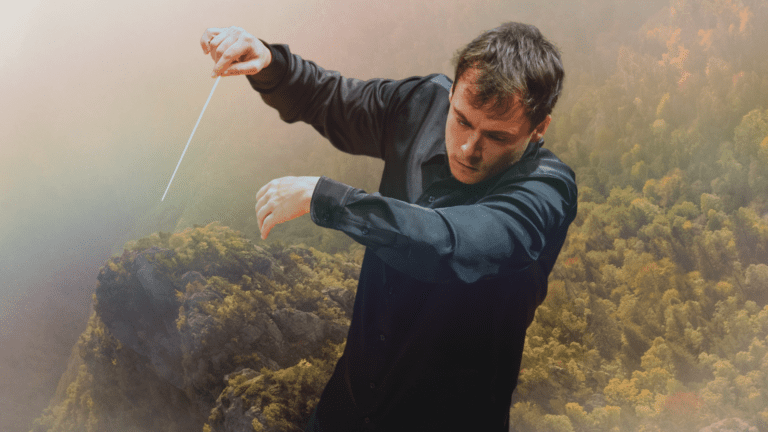
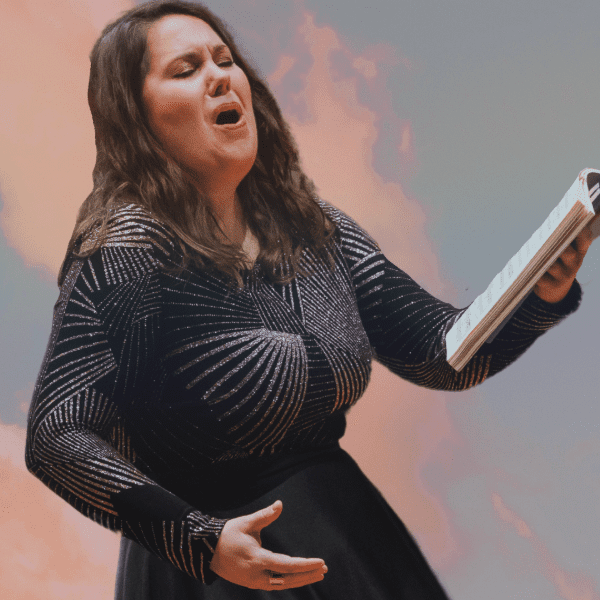
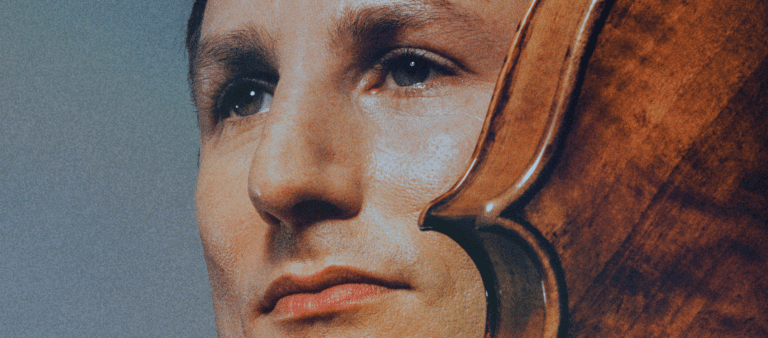
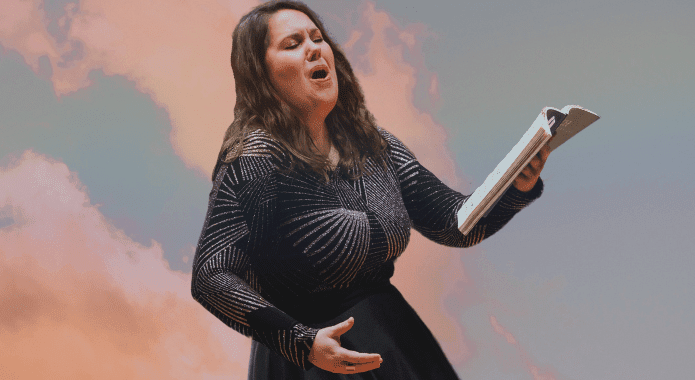
Corelli y a forgé le concerto grosso, Respighi en a célébré la beauté et Nino Rota y a signé d’innombrables musiques de films. Pour Handel, Rome a eu une importance déterminante alors qu’il était jeune compositeur, même si son opéra consacré au plus célèbre empereur romain a été composé à Londres. Un concert hommage à la Ville éternelle qui sera l’occasion des débuts de la contralto Rose Naggar-Tremblay et du jeune chef Kyrian Friedenberg avec Les Violons du Roy.

Rome is where Corelli developed the concerto grosso, where Respighi was inspired while celebrating its beauty, and where Nino Rota composed countless film scores. For Handel, Rome played a decisive role during his early career, even though his opera about the most famous Roman emperor was composed in London. This tribute to the Eternal City will mark the debut of contralto Rose Naggar-Tremblay and young conductor Kyrian Friedenberg with Les Violons du Roy.

Programme

A. CORELLI
Concerto grosso en fa majeur, op. 6 n° 6
G.F. HANDEL
Extraits de Giulio Cesare in Egitto, HWV 17
O. RESPIGHI
Il tramonto pour voix et cordes
N. ROTA
Concerto pour cordes

Program

A. CORELLI
Concerto grosso in F Major, Op. 6 No. 6
G.F. HANDEL
Excerpts from Giulio Cesare in Egitto, HWV 17
O. RESPIGHI
Il tramonto for voice and strings
N. ROTA
Concerto for strings

POUR ACHETER VOTRE BILLET, C’EST ICI! (14H)

POUR ACHETER VOTRE BILLET, C’EST ICI! (19H30)

Ce contenu provient des Violons du Roy et est adapté par PAN M 360

Pop / Singer-Songwriter / Vocal Jazz

Emilie-Claire Barlow à la salle Raoul-Jobin

by Rédaction PAN M 360

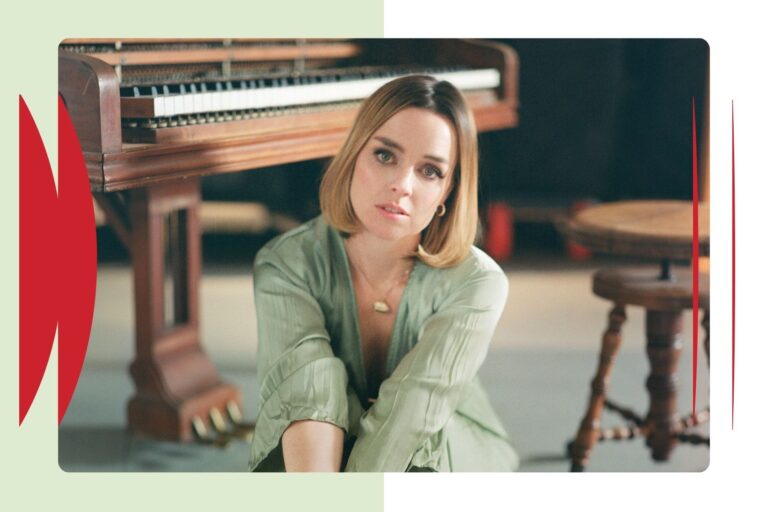
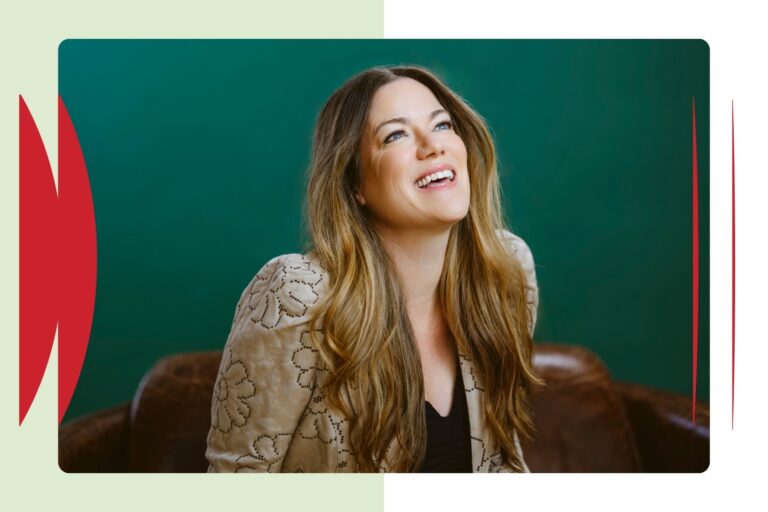
Laissez-vous emporter par Emilie-Claire Barlow et son groupe exceptionnel pour une soirée de grands classiques, de bossas-novas rythmées, de ballades élégantes et de chanson française, le tout interprété dans son style distinctif. Dans ce nouveau spectacle, elle présente quelques-uns de ses coups de cœur de La plus belle saison, son plus récent projet, une lettre d’amour au Québec et la bande sonore d’un nouveau chapitre de sa vie. Emilie-Claire Barlow n’est pas qu’une chanteuse d’exception, elle est aussi une arrangeuse talentueuse et une productrice aguerrie. Avec plus de 500 millions d’écoutes en ligne et une impressionnante discographie de 14 albums, elle a marqué de façon significative la scène musicale canadienne, récoltant de nombreux prix, dont un Félix et deux JUNO Awards. Sa générosité sur scène et sa complicité remarquable avec ses musiciens font de chaque représentation une expérience inoubliable. Ne manquez pas cette occasion unique de découvrir (ou redécouvrir) cette artiste brillante et charmante, dont la voix d’une beauté intemporelle touche à l’essentiel.

Let yourself be swept away by Emilie-Claire Barlow and her exceptional band for an evening of timeless classics, lively bossa novas, elegant ballads, and French chansons, all delivered in her distinctive style. In this new show, she presents some of her favorite pieces from La plus belle saison, her latest project, a love letter to Quebec and the soundtrack to a new chapter of her life. Emilie-Claire Barlow is not only an extraordinary singer but also a talented arranger and seasoned producer. With over 500 million online streams and an impressive discography of 14 albums, she has made a significant mark on the Canadian music scene, earning numerous awards, including a Félix and two Juno Awards. Her generosity on stage and remarkable rapport with her musicians make every performance an unforgettable experience. Don’t miss this unique opportunity to discover (or rediscover) this brilliant and captivating artist, whose timelessly beautiful voice speaks to the heart.

POUR ACHETER VOTRE BILLET, C’EST ICI!

Ce contenu provient du Palais Montcalm et est adapté par PAN M 360
afro-soul / soul-roots / Vocal Jazz

Dominique Fils-Aimé – The Sunshine Tour à la salle Raoul-Jobin

by Rédaction PAN M 360

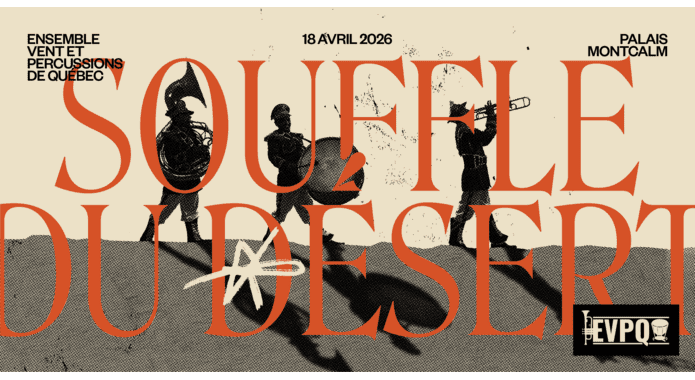
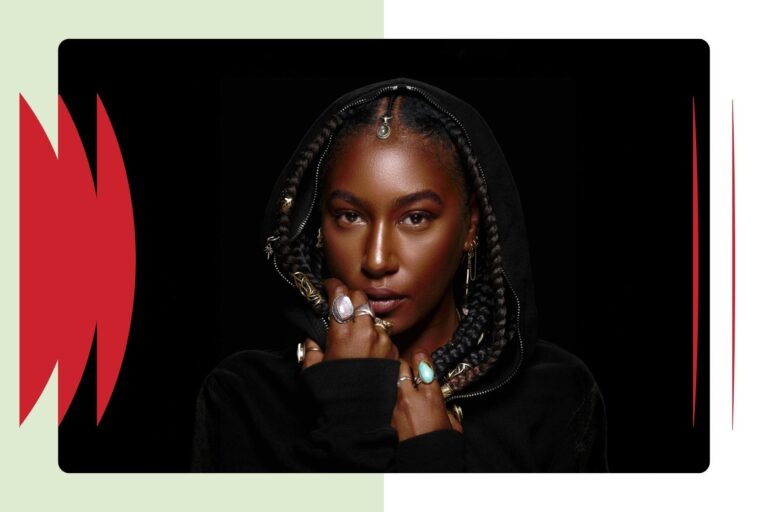
Étoile montante du jazz vocal et récipiendaire de deux prix Juno, Dominique Fils-Aimé est une auteure-compositrice-interprète montréalaise accordant une place fondamentale à la culture musicale afro-américaine au sein de son travail. En spectacle, elle nous invite à plonger dans les racines de son âme pour explorer le parcours unique, mais interconnecté, des êtres humains. Que ce soit au Canada (en plateau double avec Allison Russell au Koerner Hall de Toronto), en Europe (en première partie de Melody Gardot, de Diana Krall et d’Ibrahim Maalouf) ou aux États-Unis (avec des spectacles acclamés à New York et à Los Angeles), Dominique Fils-Aimé captive ses spectateurs et les emmène dans un voyage transcendant.

A rising star of vocal jazz and a two-time Juno Award winner, Dominique Fils-Aimé is a Montreal-based singer-songwriter who places African-American musical culture at the heart of her work. On stage, she invites audiences to dive into the roots of her soul and explore the unique yet interconnected journey of humanity. Whether in Canada (sharing the stage with Allison Russell at Toronto’s Koerner Hall), in Europe (opening for Melody Gardot, Diana Krall, and Ibrahim Maalouf), or in the United States (with acclaimed performances in New York and Los Angeles), Dominique Fils-Aimé captivates audiences and takes them on a transcendent musical journey.

POUR ACHETER VOTRE BILLET, C’EST ICI!

Ce contenu provient du Palais Montcalm et est adapté par PAN M 360
Baroque / Choral Music / classique

Que ma joie demeure – Jean-Sébastien Bach à la salle Raoul-Jobin

by Rédaction PAN M 360

Une soirée consacrée à certaines des pages les plus inspirées du grand Jean-Sébastien Bach, avec le Motet Lobet den Herrn, alle Heiden (BWV 230), la Cantate 78 Jesu, der du meine Seele, et la célèbre Cantate 147 Herz und Mund und Tat und Leben (Jésus que ma joie demeure). Le génie de Jean-Sébastien Bach au service de la sérénité et de la joie. Avec la participation de Evelyne Larochelle, (soprano), Luce Vachon (mezzo-soprano), Louis-Charles Gagnon (ténor), Michel Desbiens (basse) ainsi que d’un orchestre d’une vingtaine d’instrumentistes, sous la direction de David Rompré.

An evening dedicated to some of the most inspired works of the great Johann Sebastian Bach, featuring the motet Lobet den Herrn, alle Heiden (BWV 230), Cantata 78 Jesu, der du meine Seele, and the famous Cantata 147 Herz und Mund und Tat und Leben (Jesu, Joy of Man’s Desiring). Experience Bach’s genius in the service of serenity and joy. Featuring Evelyne Larochelle (soprano), Luce Vachon (mezzo-soprano), Louis-Charles Gagnon (tenor), Michel Desbiens (bass), and an orchestra of about twenty musicians, under the direction of David Rompré.

POUR ACHETER VOTRE BILLET, C’EST ICI!

Ce contenu provient du Palais Montcalm et est adapté par PAN M 360
chanson française / hommage / Musical Theatre

Sur les planches de Broadway : De Lloyd Webber à Plamondon et Cocciante à la salle Raoul-Jobin

by Rédaction PAN M 360

De Rogers et Hammerstein à Andrew Lloyd Webber, en passant par Plamondon, Gagnon, Cocciante et Berger, Les Rhapsodes vous invitent sur les planches de Broadway… et des grandes scènes d’Europe et du Québec, pour des pages de musique qui ont marqué les dernières décennies. Avec notamment des extraits de La Mélodie du bonheur, Les Misérables, Le Fantôme de l’Opéra, Starmania, Notre-Dame de Paris et Nelligan. Avec la participation de Gabrielle Lapointe et de David Latulippe, la Cristal et le Zéro Janvier de la dernière production de Starmania, et d’un ensemble instrumental, sous la direction de David Rompré.

From Rodgers and Hammerstein to Andrew Lloyd Webber, via Plamondon, Gagnon, Cocciante, and Berger, Les Rhapsodes invite you onto the stages of Broadway… and the great theaters of Europe and Quebec, for musical highlights that have marked recent decades. Featuring excerpts from The Sound of Music, Les Misérables, The Phantom of the Opera, Starmania, Notre-Dame de Paris, and Nelligan. With the participation of Gabrielle Lapointe and David Latulippe, who played Cristal and Zéro Janvier in the most recent production of Starmania, along with an instrumental ensemble, under the direction of David Rompré.

POUR ACHETER VOTRE BILLET, C’EST ICI!

Ce contenu provient du Palais Montcalm et est adapté par PAN M 360
Funk / Jazz Fusion / Jazz Rock

Mark Lettieri Group et Pete Roth Trio avec Bill Bruford en programme double à la salle Raoul-Jobin

by Rédaction PAN M 360

Le Palais Montcalm est fier de vous offrir en primeur un programme double jazz rock de premier ordre! Le mythique batteur Bill Bruford (King Crimson, Yes, Genesis) sort de sa retraite pour rejoindre le trio du guitariste Pete Roth, en compagnie du bassiste Mike Pratt. La troupe propose du matériel original inspiré en plus de se permettre des reprises de Coltrane, Earthworks ou Bruford Levin Upper Extremities. Le virtuose Mark Lettieri, bien connu pour son travail au sein de Snarky Puppy, assurera la première moitié de la soirée. Figure incontournable du funk et du jazz fusion moderne, collaborateur prisé (Cory Wong, Erykah Badu, David Crosby) Lettieri met de l’avant sa signature unique, que ce soit à la six cordes traditionnelle ou à la guitare baryton.

Palais Montcalm is proud to present, for the first time, a top-tier jazz-rock double bill! Legendary drummer Bill Bruford (King Crimson, Yes, Genesis) comes out of retirement to join guitarist Pete Roth’s trio, alongside bassist Mike Pratt. The group performs original material and also interprets classics by Coltrane, Earthworks, and Bruford Levin Upper Extremities. Virtuoso guitarist Mark Lettieri, well known for his work with Snarky Puppy, will open the evening. A major figure in modern funk and jazz fusion, and a sought-after collaborator (Cory Wong, Erykah Badu, David Crosby), Lettieri showcases his distinctive style on both traditional six-string guitar and baritone guitar.

POUR ACHETER VOTRE BILLET, C’EST ICI!

Ce contenu provient du Palais Montcalm et est adapté par PAN M 360
Baroque / classique

Les Violons du Roy : Symphonie à la française avec Nicolas Ellis

by Rédaction PAN M 360

Pour conclure la saison, le premier chef invité des Violons du Roy Nicolas Ellis dirige un programme de musique française, avec des œuvres composées avant ou juste après la Révolution française, comprenant une grande suite orchestrale de Rameau, une superbe symphonie de Gossec et un concerto pour violoncelle de Duport, véritable trésor oublié dont Raphaël Pidoux, dans ses débuts avec l’orchestre, en fera découvrir toute la richesse.

To round off the season, Les Violons du Roy Principal Guest Conductor Nicolas Ellis leads a programme of French music, with works composed before or just after the French Revolution, including a magnificent orchestral suite by Rameau, a superb symphony by Gossec and a cello concerto by Duport, a forgotten treasure which Raphaël Pidoux reveals in all its richness in his first performance with the orchestra.

Programme

F.J. GOSSEC
Symphonie en ré majeur, op.3 n°6
J.-L. DUPORT
Concerto pour violoncelle n°6 en ré mineur
J.-P. RAMEAU
Suite pour orchestre extraite d’opéras

Program

F.J. GOSSEC
Symphony in D Major, Op.3 No.6
J.-L. DUPORT
Cello Concerto No.6 in D Minor
J.-P. RAMEAU
Suite for orchestra from operas

POUR ACHETER VOTRE BILLET, C’EST ICI! (14H)

POUR ACHETER VOTRE BILLET, C’EST ICI! (19H30)

Ce contenu provient des Violons du Roy et est adapté par PAN M 360

Baroque / classique

Les Violons du Roy : Chaconnes et passacailles avec Bernard Labadie

by Rédaction PAN M 360

Bernard Labadie propose un brillant programme de musique italienne, française et anglaise, mettant en lumière ses propres arrangements de deux chefs-d’œuvre baroques réalisés spécialement pour Les Violons du Roy : la monumentale Passacaille et fugue en do mineur de Bach et la poignante Chaconne en fa mineur de Pachelbel.

Bernard Labadie offers a brilliant programme of Italian, French and English music featuring his own arrangements of two Baroque masterpieces especially made for Les Violons du Roy: Bach’s monumental Passacaglia and Fugue in C minor and Pachelbel’s poignant Chaconne in E minor.

Programme

H. PURCELL
Chaconne en sol mineur, Z.730
J.-B. LULLY
Chaconne (Phaëton)
J.S. BACH
Passacaille et fugue en do mineur, BWV582 (arr. B. Labadie)
J. PACHELBEL
Chaconne en mi mineur (arr. B. Labadie)
F. GEMINIANI
Concerto grosso n°12 La Follia (d’après Corelli)

Program

H. PURCELL
Chaconne in G Minor, Z.730
J.-B. LULLY
Chaconne (Phaëton)
J.S. BACH
Passacaglia and Fugue in C Minor, BWV582 (arr. B. Labadie)
J. PACHELBEL
Chaconne in E Minor (arr. B. Labadie)
F. GEMINIANI
Concerto grosso No.12 La Follia (after Corelli)

POUR ACHETER VOTRE BILLET, C’EST ICI! (14H)

POUR ACHETER VOTRE BILLET, C’EST ICI! (19H30)

Ce contenu provient des Violons du Roy et est adapté par PAN M 360

Baroque / Choral Music / Classical / Classical Singing

Violons du Roy and La Chapelle de Québec | An Evening of Discovery in The Footsteps of Bach’s Early Cantatas

by Mona Boulay

Les Violons du Roy, accompanied by the chamber choir La Chapelle de Québec and conducted by Bernard Labadie, presented an interesting repertoire on March 6: Bach’s early cantatas, the first works of the man who was to become the absolute benchmark of Baroque music.

The concert opens with a brief, but very light-hearted, introduction by Bernard Labadie. We have no record of his compositions before his apprenticeship, with the exception of one piece written around the age of sixteen. What did he write during his student years, before publishing his first cantatas? A great mystery, which makes us all the more curious to hear these famous early works broadcast.

The first notes of “Cantata BWV 150 Nach dir, Herr, verlanget mich” echo through the Palais Montcalm. As throughout the rest of the concert, the ensembles are split up: this time, there are no violas, just a cello, double bass and bassoon. Immediately, we hear colors that, without knowing Bach perfectly, we would not have imagined coming from the composer’s mind: daring harmonies, lively tempo changes, and, thanks to the particular formation, a singular sound balance. Les Violons du Roy render the beauty of this cantata with excellence. The choral passages are perfectly successful, but we felt that the first passages by the soloists (from La Chapelle) were a little more timid.

“Cantata BWV 131 Aus der Tiefe rufe ich, Herr, zu dir” continues the evening, and this time it’s the violin section that becomes rarer. The violas return to the balance, and above all, an oboe makes its appearance, almost to the rank of soloist as it knits in counterpoint with the solo singers, and responds to their interventions. It seems that this work is at times taxing, and although the majority of the cantata is very well mastered by the musician, one can detect certain tensions in places (it should also be pointed out that the score requires quite impressive respiratory endurance). During the Arioso sung by the bass, Stephen Hegedus, the tempo seems to be disputed between the singer, the oboe and the organ, giving a feeling of imprecision without it being clear who is to blame. Nevertheless, the overall impression of the piece is good, with a perfectly mastered finale that leaves us with a taste of splendor before the intermission.

An even more atypical formation opens the second half of the concert, with two violas da gamba and two recorders replacing the violin section in Cantata BWV 106 Gottes Zeit ist die allerbeste Zeit. A well-assumed early-music color, evocative of Renaissance instrumentations, which nonetheless gives rise to a few inaccuracy challenges. The soloists seem to have come into their own, and their interventions are more striking, notably the “Ja, komm, Herr Jesu, komm!” performed by soprano Myriam Leblanc with brio. The cantata unfolds, with a fine mezzo solo by Marie-Andrée Mathieu, previously unheard, pleasantly supported by tenor Hugo Hymas.

To close the concert, the Cantata BWV 4 Christ lag in Todes Banden was chosen. This time, the Baroque line-up is a little more standard. The cantata is more austere, in keeping with the text, with the exception of the Alleluias that punctuate the end of each verse. There’s a fine duet between Myriam Leblanc and countertenor Daniel Moody, although the latter loses some of the beauty of his timbre on the higher notes. Later, we hear Stephen Hegedus’s voice, highlighted more prominently than in his previous performances, in his Aria for verse 5. The concert ends with a final, grandiose “Alleluia”.

The concert BACH, LES PREMIÈRES CANTATES AND BERNARD LABADIE, will be presented again in Quebec City on March 7, 2025 and in Montreal on March 8 2025.

TICKETS AND INFO HERE

classique

Les Violons du Roy : Jonathan Cohen, Mozart et l’amitié

by Rédaction PAN M 360

Trois talentueux musiciens solistes se joignent aux Violons du Roy sous la direction de Jonathan Cohen dans un concert sous le signe de l’amitié et de l’admiration de Mozart pour le clarinettiste virtuose de l’époque, Anton Stadler, et trois confrères compositeurs qui auront durablement marqué le jeune prodige de Salzbourg.
Jonathan Cohen, chef
Isaac Chalk, alto
Stéphane Fontaine, clarinette
Mélisande McNabney, piano-forte

Three gifted soloists join Les Violons du Roy, conducted by Jonathan Cohen, in a concert dedicated to Mozart’s friendship and admiration for Anton Stadler, the greatest virtuoso clarinetist of his time. The programme also features works by three fellow composers who left a lasting impression on the young prodigy from Salzburg.
Jonathan Cohen, conductor
Isaac Chalk, viola
Stéphane Fontaine, clarinet
Mélisande McNabney, fortepiano

Programme

W.F. BACH
Sinfonia pour cordes en fa majeur, Fk. 67
M. HAYDN
Concerto pour alto et piano-forte en do majeur, MH 41
C.P.E. BACH
Symphonie en mi bémol majeur, Wq. 179
W.A. MOZART
Concerto pour clarinette en la majeur, K. 622

Program

W.F. BACH
Sinfonia for Strings in F Major, Fk. 67
M. HAYDN
Concerto for viola and fortepiano in C Major, MH 41
C.P.E. BACH
Symphony in E Flat Major, Wq. 179
W.A. MOZART
Concerto for Clarinet in A Major, K. 622

POUR ACHETER VOTRE BILLET, C’EST ICI! (14H)

POUR ACHETER VOTRE BILLET, C’EST ICI! (19H30)

Ce contenu provient des Violons du Roy et est adapté par PAN M 360

Baroque / classique

Les Violons du Roy : Requiem pour cordes avec Antoine Tamestit

by Rédaction PAN M 360

Après ses débuts mémorables couronnés d’un prix Opus en 2023 avec l’orchestre, le grand altiste Antoine Tamestit revient auprès des Violons du Roy pour une nouvelle rencontre qui s’annonce tout aussi exaltante et bouleversante avec une transcription pour orchestre à cordes du Quintette op. 111 de Brahms.

After his memorable Opus Award-winning debut with Les Violons du Roy in 2023, renowned violist Antoine Tamestit returns to the orchestra for a new collaboration that promises to be just as exhilarating and moving—a transcription for string orchestra of Brahms’ String Quintet Op. 111.

Programme

J.S. BACH
Choral Für deinen Thron tret ich hiermit, BWV 327
P. HINDEMITH
Trauermusik pour alto et cordes
J. DOWLAND
Flow my tears (arr. A. Tamestit)
If my complaints could passions move (arr. A. Tamestit)
B. BRITTEN
Lachrymae pour alto et cordes, op. 48a
J. BRAHMS
Quintette à cordes ne 2 en sol majeur, op. 111 (version pour orchestre à cordes A. Tamestit)

Program

J.S. BACH
Choral Für deinen Thron tret ich hiermit, BWV 327
P. HINDEMITH
Trauermusik for viola and strings
J. DOWLAND
Flow my tears (arr. A. Tamestit)
If my complaints could passions move (arr. A. Tamestit)
B. BRITTEN
Lachrymae for viola and strings, op. 48a
J. BRAHMS
String Quintet No. 2 in G Major, op. 111 (version for string orchestra A. Tamestit)

POUR ACHETER VOTRE BILLET, C’EST ICI!

Ce contenu provient des Violons du Roy et est adapté par PAN M 360

Baroque / classique

Les Violons du Roy : Bach, les premières cantates et Bernard Labadie

by Rédaction PAN M 360

On s’imagine facilement et même presque exclusivement le grand Johann Sebastian Bach en homme âgé, pétri des plus grands savoirs  musicaux que seuls l’expérience et le temps  apportent. C’est pourtant un tout jeune homme, au début de la vingtaine, qui nous lègue les puissants et parfaits chefs-d’œuvre que sont ses toutes premières cantates. Des œuvres qui ouvrent l’une des plus importantes sommes musicales de tout l’Occident, livrées ici avec La Chapelle de Québec, dans toute leur splendeur.
Bernard Labadie, chef
Myriam Leblanc, soprano
Daniel Moody, contre-ténor
Hugo Hymas, ténor
Stephen Hegedus, baryton-basse
Avec La Chapelle de Québec

It is easy to imagine the great Johann Sebastian Bach almost exclusively as an elderlyman, steeped in the greatest musical knowledge that only time and experience can bring. Yet it was a young man in his early twenties who handed down to us the powerful, true masterpieces that comprise his very first sacred cantatas. These works are the first of one of the most important musical collections in the whole of the western world, delivered in all their splendour here with La Chapelle de Québec.
Bernard Labadie, conductor
Myriam Leblanc, soprano
Daniel Moody, countertenor
Hugo Hymas, tenor
Stephen Hegedus, bass-baritone
With La Chapelle de Québec

Programme

J.S. BACH
Cantate Christ lag in Todes Banden, BWV 4
Cantate Gottes Zeit ist die allerbeste Zeit, BWV 106
Cantate Aus der Tiefe rufe ich, Herr, zu dir, BWV 131
Cantate Nach dir, Herr, verlanget mich, BWV 150

Program

J.S. BACH
Cantata Christ lag in Todes Banden, BWV 4
Cantata Gottes Zeit ist die allerbeste Zeit, BWV 106
Cantata Aus der Tiefe rufe ich, Herr, zu dir, BWV 131
Cantata Nach dir, Herr, verlanget mich, BWV 150

POUR ACHETER VOTRE BILLET, C’EST ICI!

Ce contenu provient des Violons du Roy et est adapté par PAN M 360

Subscribe to our newsletter

Inscription
Infolettre

"*" indicates required fields

Type of Suscribers