classique persan / Contemporary / musique contemporaine / Persian Classical

Bahar Harandi’s feminist Iran

by Frédéric Cardin

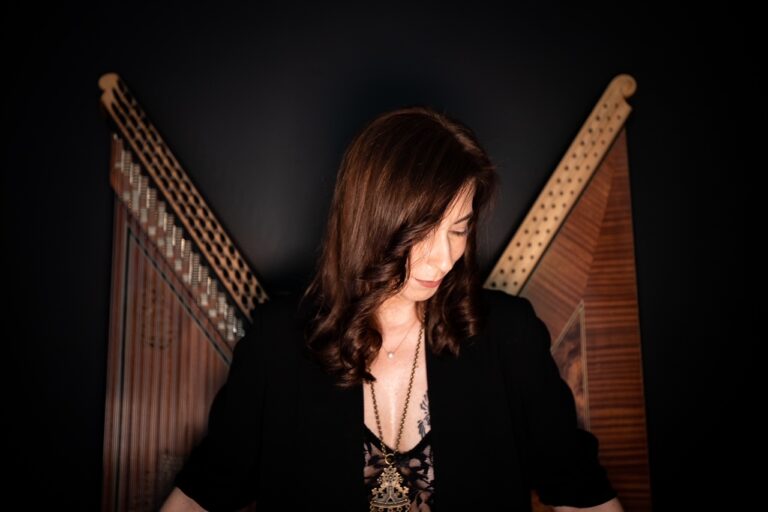
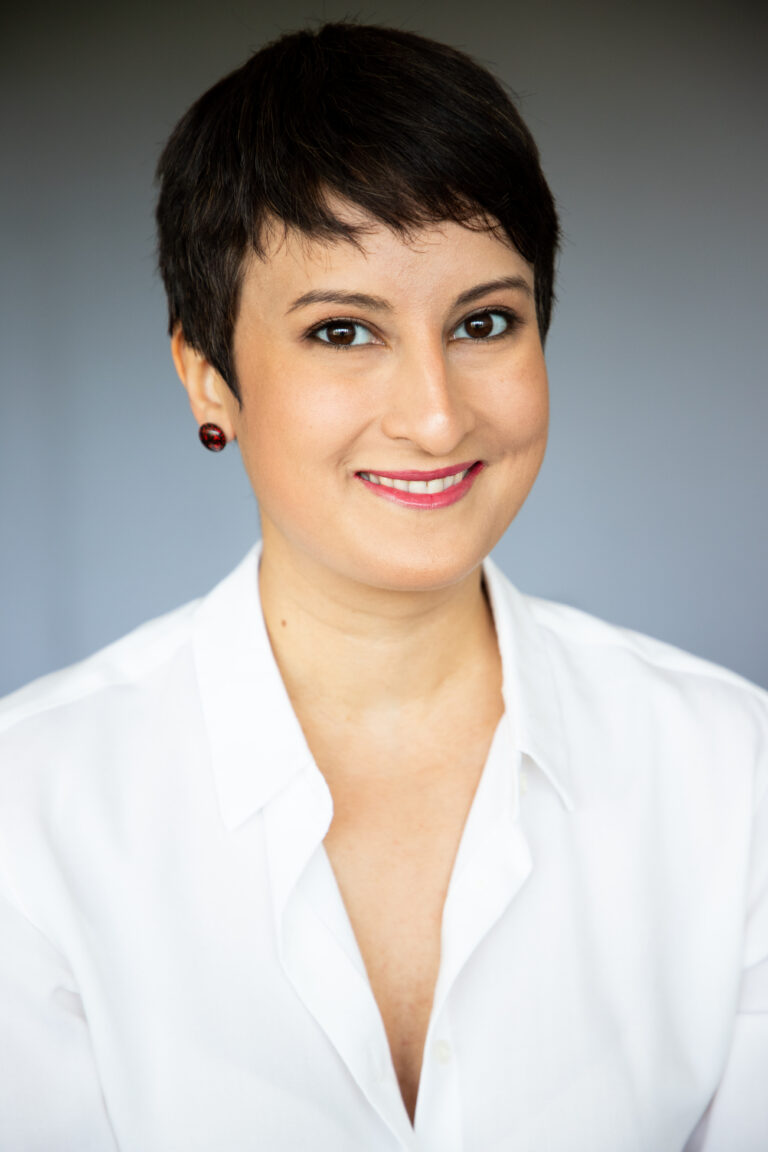
On 2 April, a concert of discoveries and feminist affirmation took place in Salle Bourgie at the Montreal Museum of Fine Arts. Iranian-born Montreal soprano Bahar Harandi was accompanied by Amir Eslami on ney (a traditional Iranian flute), Saba Yousefi on violin and Hooshyar Khayam on piano. Through a repertoire of contemporary works written by as many Iranian-Canadian women composers, we were presented with a whole universe inspired by Persian roots and its rich history. The concert began with a number of traditional pieces arranged for ney and piano, immersing the audience in an exotic soundscape that was also relatively close to the music of Gurdjieff/Hartmann from the early 20th century. The other pieces on the programme, by Parisa Sabet (born in 1980), Aida Shirazi (born in 1987) and Mina Arissian (born in 1979) demonstrated a very high level of skill, ranging from the consonant music of Sabet to the more demanding expressionism of Shirazi, before returning to the Scriabinian inspirations of Arissian.

The texts, many of them by the great poet Rumi, were used symbolically in the context of this concert, even if their initial premise had no such intention. For example, Parisa Sabet’s Be still (based on a text by Rumi) says:

Sit, be still and listen,

because you’re drunk

and we’re at the edge of the sky

It came as no surprise that the expressive force given to the voice was concentrated on the first stanza. Bahar Harandi put a lot of intensity into it and it was impossible to think of anything other than a man ordering a woman to do this in modern Iran (or indeed anywhere else). There were, in fact, several moments of powerful dramatic force throughout a programme that was quite varied in terms of musical texture, rhythm and atmosphere.

Harandi sang with a beautiful and very well-balanced voice, combining technical mastery with plenty of emotional character. The soprano also demonstrated good dramatic range, accentuating certain passages with bite, cynicism or gentleness.
Classical / Contemporary / South African traditional music / West African traditional music

Abel Selaocoe: the wind that blows away

by Frédéric Cardin

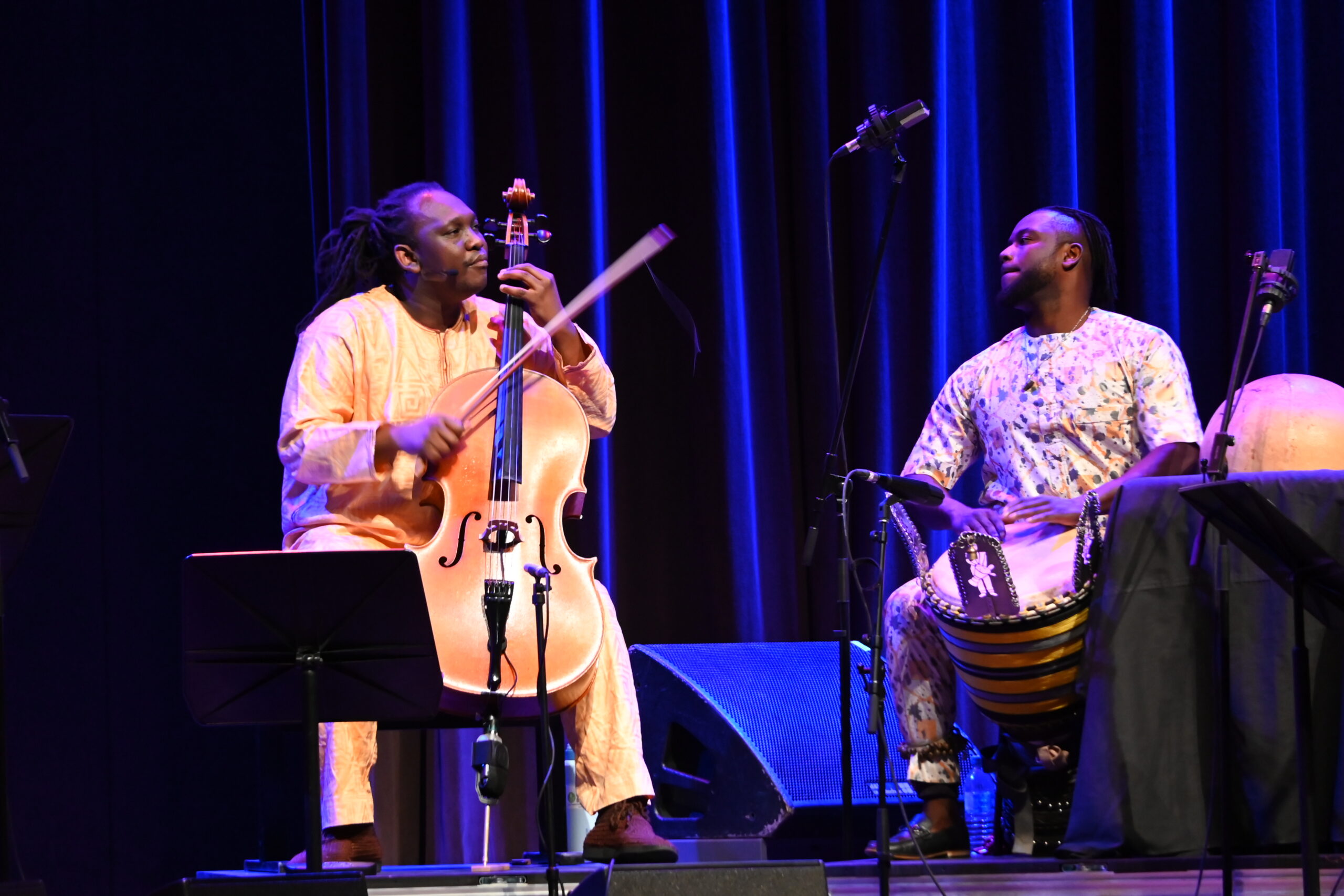
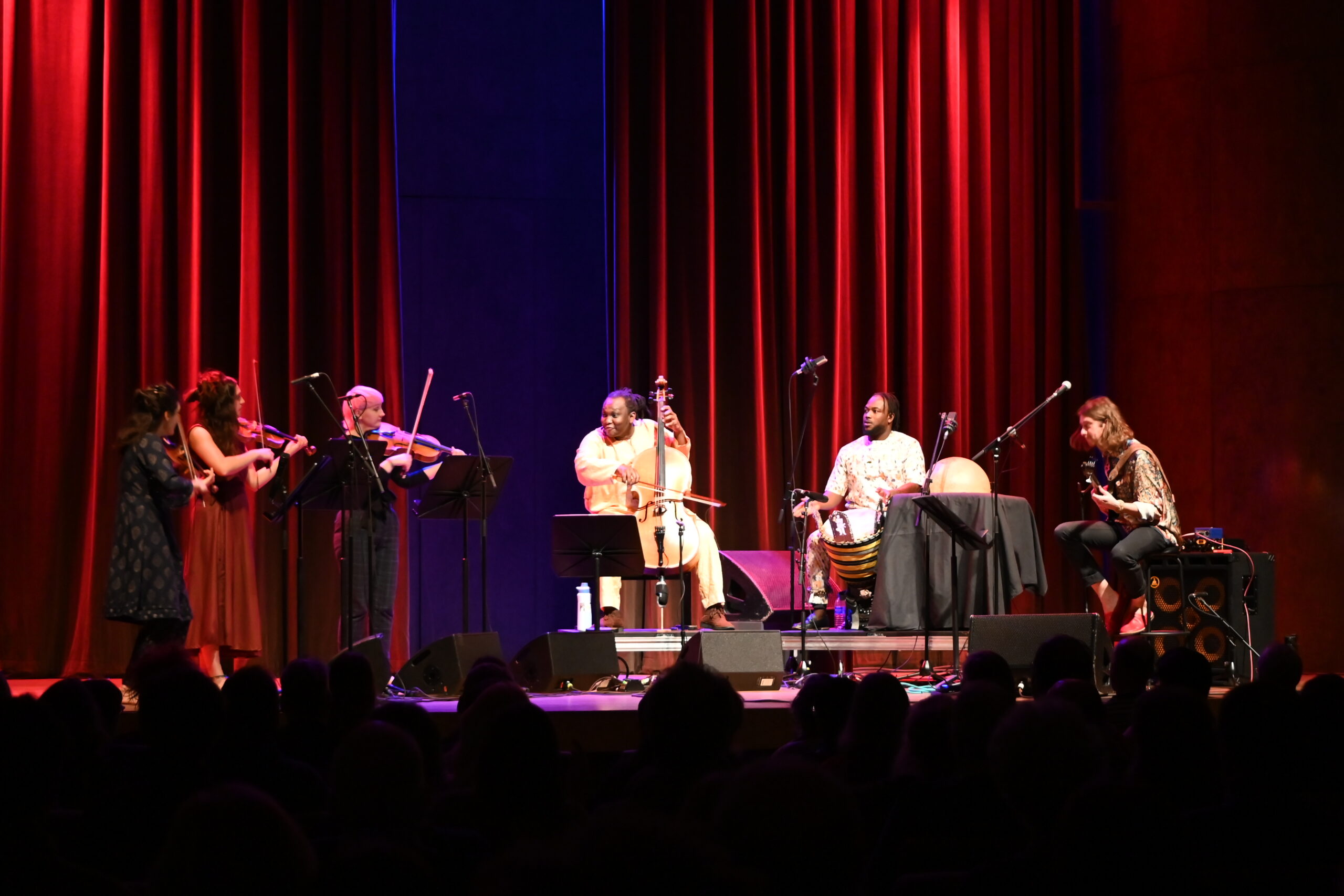
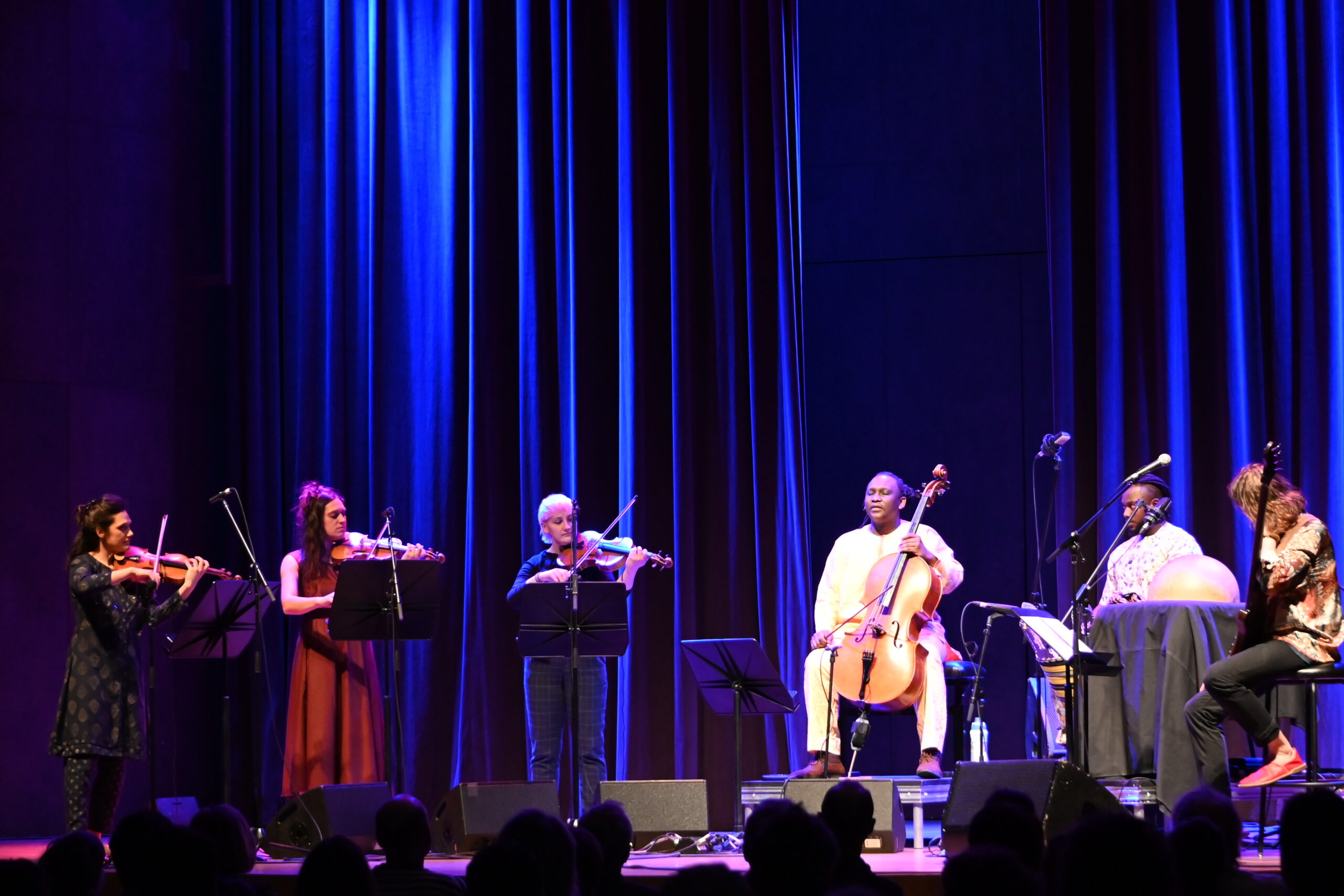
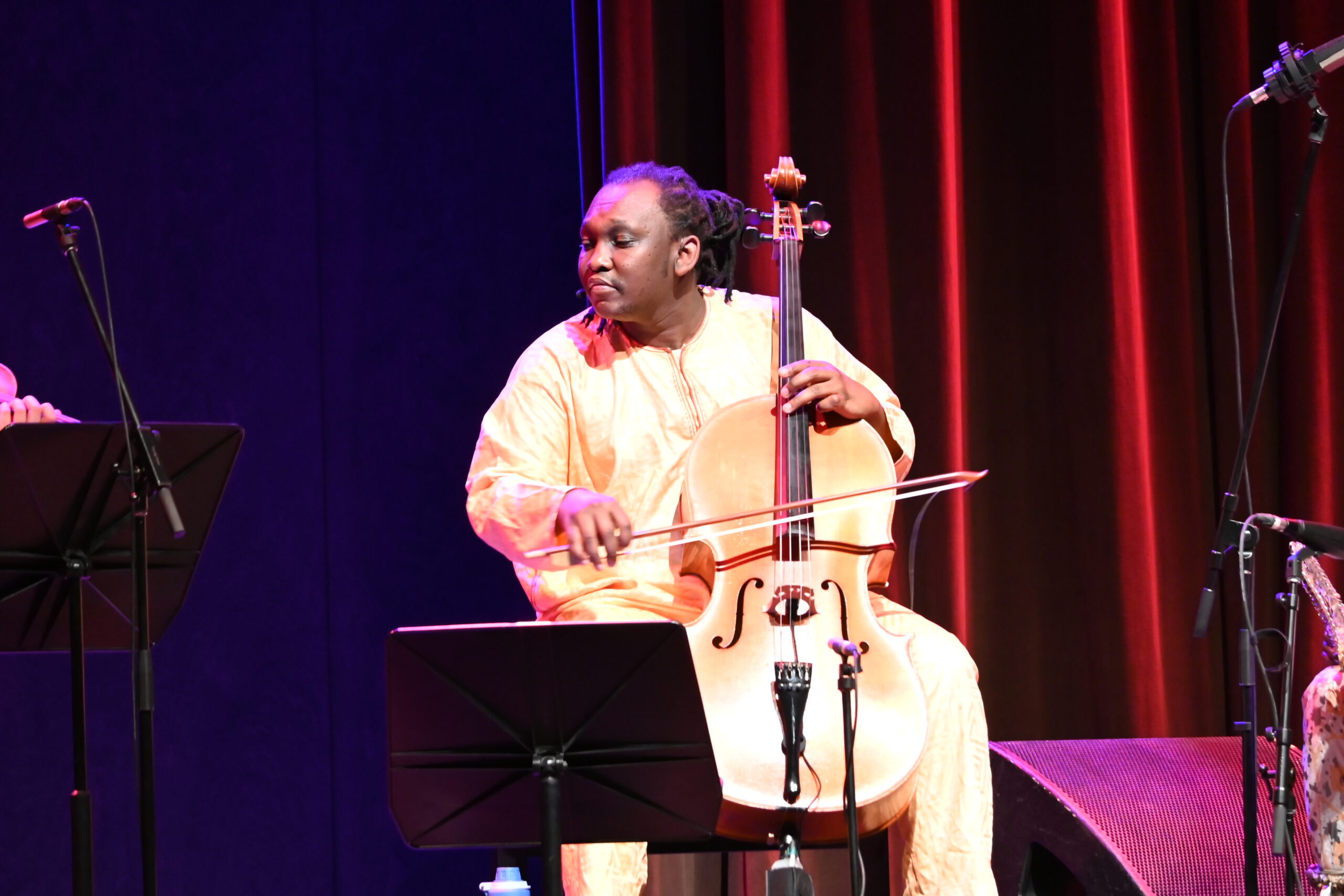
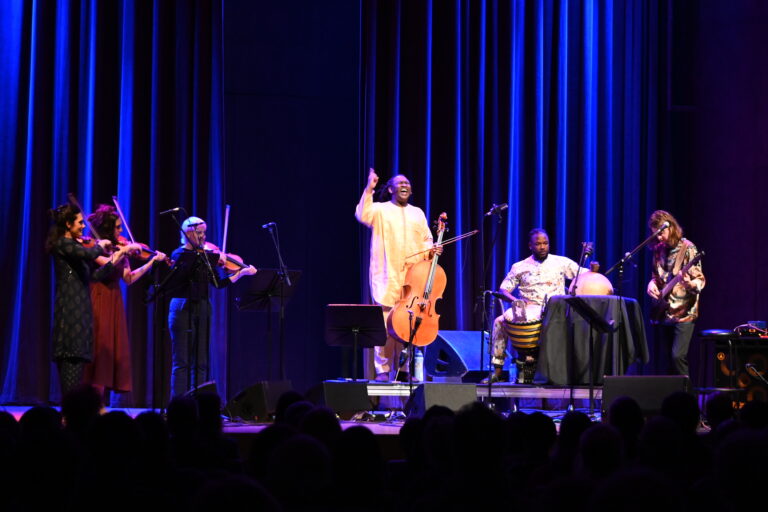
The sirocco is a warm and vast current of air exchanged between North Africa and Southern Europe. It’s also the symbol that South African cellist Abel Selaocoe uses to inspire a spirit of musical exchange between Africa and Europe in a concert programme that he and his friends from the Manchester Collective are taking on a major North American tour, including a stop in Montreal last Thursday.

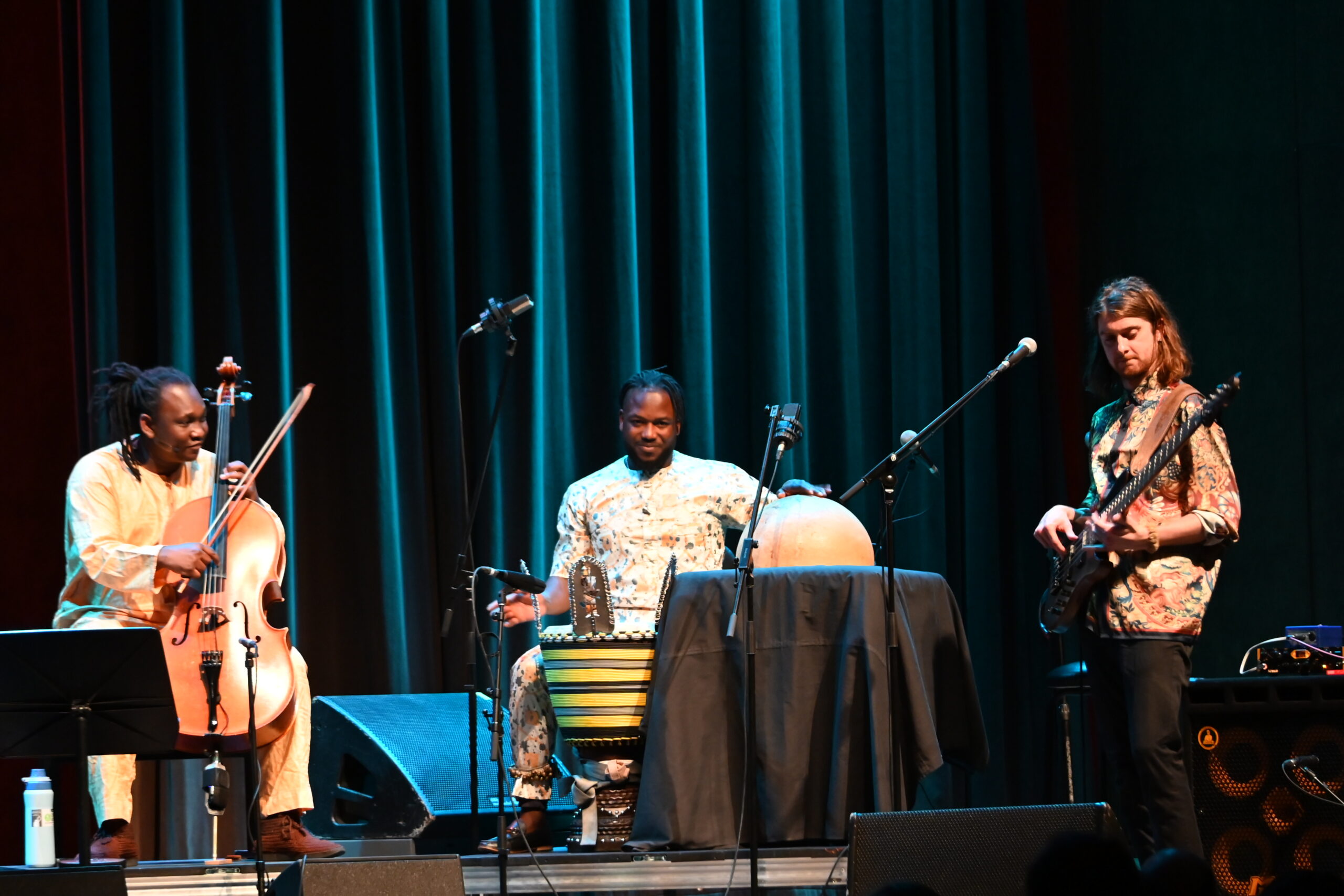
The artist is as solid in Beethoven and Debussy as he is in arrangements of traditional pan-African pieces or even his own compositions. The Sirocco concert, given in front of a Bourgie hall electrified by his charismatic stage presence, left a little room for the European classics (very brief Haydn, Berio, Hans Abrahamsen and Scandinavian folklore), but gave most of it to the sounds and technical particularities of Africa (Mali, South Africa). More than commercial crossover, although it sometimes sounded a bit like it, Selaocoe offered an intercultural vision of chamber music, where a Haydn quartet had the resonance of an anti-Apartheid spiritual song from South Africa, and percussive techniques thrown at the strings or the cello body were matched by surprising, even impressive vocal inflections. These led the versatile musician to navigate deftly from delicate high notes to rumbling lows reminiscent of Tibetan throat singing. It seems that, between Africa and East Asia, age-old traditions have managed to forge a permanent cultural path.

Selaocoe and the musicians of the Manchester Collective (two violins, a viola, a percussionist and an electric bass) injected an infectious energy that earned them a long and warm ovation. The purists of another era would have hated this kind of programme, but Selaocoe is the bearer of a new future for classical music, and his message of intercultural renewal is clearly reaching a large and, above all, quite young audience.

Photo credits : Anna Kaiava

Classical / Turkish Classical

Didem Başar: Music, space, time Continuum

by Frédéric Cardin

Turkish-born Montrealer Didem Başar (pronounced Bashar) is the Grande Lady of the kanun (my words). This instrument from the zither family is widely used in traditional Turkish music and throughout the Middle East. Başar is adding several strings to her already strong instrumental game by incorporating composition and above all encounters with other musical genres, something she can easily do in Montreal’s rich musical ecosystem.

On Tuesday evening at Salle Bourgie, as part of the Musique des cultures du monde series, she presented her Continuum project, in which her compositions (and a few arrangements) for kanun, percussion and string quintet offered the attentive audience some 80 minutes of delicate and delightful travel, a kind of tangible link between the present and the long history of the millenias-old culture of the Middle East. A continuum of space, time and, of course, music. Accompanying her on stage were the Andara Quartet, double bassist Étienne Lafrance and percussionist Patrick Graham.

With the exception of a few arrangements of traditional pieces, all the works were written by the artist herself, including a Concerto for kanun and strings, written in the rules of the art. It’s a wonderful adventure that begins with a light first movement, full of pointed textures (string pizzicatos and plucking of the kanun), interspersed from time to time with lyrical caresses from the strings. If this initial section suggests a stroll in all simplicity, the second movement betrays this prejudice with a plaintive adagio in dark colours, evoking a sadness swollen with powerful melancholy. It’s as if we were homesick with her. The third movement, the finale, reveals more rhythmic muscle and a willing, assertive drive that visibly satisfies the audience present.

The entire repertoire offered in the programme stems from this oriental atmosphere, based on an essentially modal harmonic universe, but to which Didem Başar adds touches of more western chromaticism here and there, a chromaticism that also invites microtonality. The result is a set of attractive melodic constructions that never, however, become recipes for auditory tourists. Başar’s music is easy to like, but never “easy”. It also leaves a little room for improvisation by its companions, particularly in the piece Lame Pigeon, where Étienne Lafrance gets brilliantly improvisatory before handing over to cellist Dominique Beauséjour-Ostiguy, who is expansive but more controlled, violist Vincent Delorme, who is impressive, and percussionist Patrick Graham, who is always spectacularly subtle and refined. 

A wonderful moment of music and intercultural encounter, à la Montréal. Continuum is a concert you shouldn’t miss if you see it in your area, and it will also be released as an album on 18 May 2024. Definitely one to watch.

Subscribe to our newsletter

Inscription
Infolettre

"*" indicates required fields

Type of Suscribers