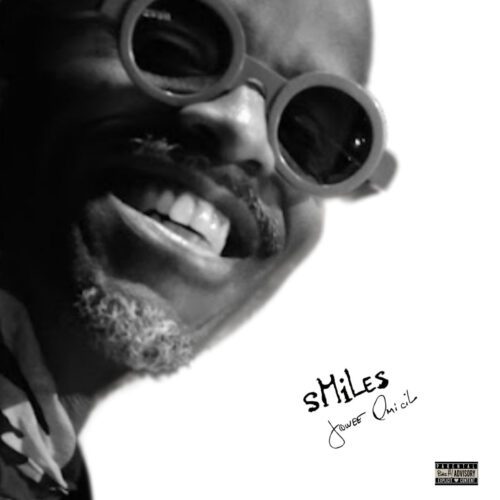
Jowee Omicil’s greatest strength is communication. Once again with sMiLes, the saxophonist knows how to create an atmosphere, set the scene, and both entertain and nourish the listener. Saxophones (mostly alto this time, but also tenor and soprano), pocket trumpet, Fender Rhodes, piano, human voices, and much more. Aside from the saxophones, his instruments of choice which he plays exceptionally well, the musician of Haitian and Montreal descent doesn’t have a complete mastery of any one instrument, but he’s more than proficient enough to simmer his flavorful broth. The spices and herbs are modern or contemporary jazz, Afro-Caribbean music, starting with that of 509 (Haiti’s international dialing code). The luminous participation of Moroccan Malika Zarra, one of the best jazz singers to come from North Africa, enriches this recording.
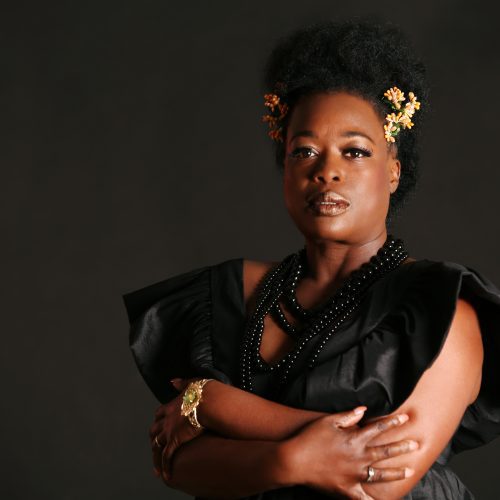
For dessert, the musician called upon Dominique Fils-Aimé for a lullaby-lament about joy intertwining with sorrow, a jazzy-soul-tinged piece—one that could very well find its way onto an album by the Montreal singer. Modern and contemporary jazz have always been populated by great technicians serving great leaders or composers, but also by inspired creators, more adept than others at crafting a unique language rather than dazzling the audience with their technical prowess. Jowee Omicil belongs to this second branch of contemporary jazz; his work here sees the birth of an eleventh discographic chapter without any major surprises, fitting seamlessly into his own continuity. As for the connection between this project and Miles Davis, let’s speak more of inspiration than direct evocation. Miles’s traits didn’t seem obvious to me in this album, except for a few brief moments—the piece “Shorter Way Pour Marrakech,” for example. And frankly, we don’t care, it’s the result that counts.